
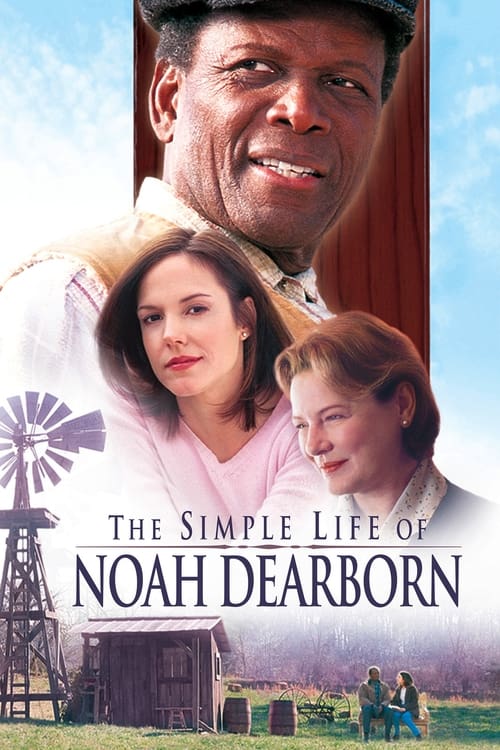






















Popular
What motivates Noah Dearborn to resist the development of his land?
How does Noah's relationship with his neighbors evolve throughout the film?
What role does the character of the lawyer, played by Diane Wiest, play in Noah's life?
What are the key moments that showcase Noah's craftsmanship and connection to his work?
How does the community react to the threat of development on Noah's land?
Should I watch it?
Ask Your Own Question

What is the plot?
Sorry, we aren't able to watch and write up a full detailed plot yet. Check back in a few days.
More Movies Like This
Browse All Movies →








What is the ending?
In the ending of "The Simple Life of Noah Dearborn," Noah, a kind-hearted carpenter, faces the threat of losing his beloved home and land to developers. After a series of confrontations and a court battle, he ultimately stands firm in his beliefs. The film concludes with Noah's resilience shining through as he finds a way to preserve his way of life, and the community comes together to support him.
Now, let's delve into the ending in a more detailed narrative fashion.
As the film approaches its climax, Noah Dearborn, portrayed by Sidney Poitier, finds himself in a precarious situation. The developers, led by a ruthless businessman, have set their sights on Noah's land, which they see as prime real estate for a new shopping center. Noah, a man deeply connected to his land and the simple life he has built, is determined to fight for what he believes is right.
In the courtroom, the tension is palpable. Noah stands before the judge, his weathered face reflecting years of hard work and dedication to his home. He speaks passionately about the importance of preserving the land, not just for himself but for the community that has grown around it. His words resonate with the jury, who can see the sincerity in his eyes. The scene is filled with emotion as Noah recalls memories of his family and the generations that have lived on the land, emphasizing the deep roots he has in the soil.
Meanwhile, the developers are relentless, using every tactic at their disposal to undermine Noah's case. They present evidence that seems to paint him as an obstructionist, a man out of touch with modernity. However, Noah's steadfastness and the support of his friends and neighbors begin to turn the tide. The community rallies around him, showing up in court to testify about the impact Noah has had on their lives. This collective support highlights the theme of community and the importance of standing together against adversity.
As the verdict is announced, the courtroom holds its breath. The judge rules in favor of Noah, recognizing the value of his land not just as property but as a vital part of the community's heritage. The relief washes over Noah, and tears of joy fill his eyes. He has not only saved his home but has also reaffirmed the values of love, family, and community.
In the final scenes, we see Noah returning to his land, a sense of peace enveloping him. The sun sets beautifully over the horizon, casting a warm glow on the fields he has tended for so long. He walks through the familiar landscape, touching the trees and the earth, feeling a profound connection to everything around him.
The film closes with a montage of Noah engaging with his neighbors, sharing stories, and continuing to build his life in harmony with nature. The developers, having lost their battle, retreat, leaving Noah to live out his days in the simplicity he cherishes.
As for the fate of the main characters, Noah emerges victorious, having preserved his way of life. The developers are left to reconsider their approach, while the community stands united, having learned the importance of supporting one another. The film ends on a hopeful note, emphasizing the enduring power of love, community, and the simple joys of life.
Is there a post-credit scene?
The Simple Life of Noah Dearborn does not have a post-credit scene. The film concludes with a poignant resolution to Noah's story, focusing on his connection to his land and the community around him. After the main events unfold, the film ends on a reflective note, emphasizing themes of simplicity, resilience, and the importance of preserving one's way of life. There are no additional scenes or content after the credits roll.
What motivates Noah Dearborn to resist the development of his land?
Noah Dearborn, played by Sidney Poitier, is deeply connected to his land, which he has cultivated and cherished for decades. His motivation stems from a profound sense of belonging and the memories tied to the land, including the legacy of his late wife. He views the land not just as property but as a part of his identity and a testament to his life's work, which fuels his resistance against the developers.
How does Noah's relationship with his neighbors evolve throughout the film?
Initially, Noah's neighbors, particularly the young couple, are skeptical of his eccentric ways and his refusal to sell his land. However, as the story unfolds, they begin to understand his values and the depth of his character. This evolution is marked by moments of compassion and understanding, leading to a gradual shift where they come to respect and support him in his fight against the developers.
What role does the character of the lawyer, played by Diane Wiest, play in Noah's life?
Diane Wiest's character, a lawyer named Mary, becomes a pivotal figure in Noah's life as she represents him in his legal battles against the developers. Her initial professional interest transforms into a personal connection as she learns about Noah's life and values. Mary becomes an ally, helping him navigate the legal complexities while also providing emotional support, which highlights the theme of friendship and understanding across generational divides.
What are the key moments that showcase Noah's craftsmanship and connection to his work?
Key moments that showcase Noah's craftsmanship include scenes where he is seen meticulously working on his woodcraft, creating beautiful furniture and items that reflect his skill and passion. These scenes are imbued with a sense of pride and joy, illustrating his dedication to his craft. His work serves as a metaphor for his life, representing his values of hard work, creativity, and the importance of tradition.
How does the community react to the threat of development on Noah's land?
The community's reaction to the threat of development is mixed at first. Some residents are swayed by the promise of progress and economic gain, while others, particularly those who know Noah personally, rally to support him. As the story progresses, the community begins to unite in defense of Noah, recognizing the importance of preserving not just his land but the values he represents. This collective action highlights the theme of community solidarity in the face of change.
Is this family friendly?
"The Simple Life of Noah Dearborn" is generally considered family-friendly, but there are a few elements that might be sensitive for children or more sensitive viewers.
-
Themes of Loss: The film touches on themes of loss and grief, particularly related to the main character's past and the impact of losing loved ones. This could be emotionally challenging for younger viewers.
-
Conflict with Authority: There are scenes where Noah faces opposition from developers and local authorities, which may include confrontational dialogue and tension. This could be unsettling for some children.
-
Isolation: Noah's life of solitude and the portrayal of his struggles with being misunderstood by the community may evoke feelings of loneliness or sadness.
-
Emotional Struggles: The film explores deeper emotional states, including frustration and despair, particularly as Noah fights to protect his way of life. These moments may be intense for sensitive viewers.
Overall, while the film conveys positive messages about simplicity, love, and community, the emotional depth and certain conflicts may require parental guidance for younger audiences.







