



Popular
How do the characters' relationships evolve throughout the film?
What challenges do the main characters face in maintaining their ranching lifestyle?
What role does the landscape play in the characters' lives and decisions?
How do the characters cope with the threat of losing their ranches?
What personal sacrifices do the characters make for their ranching lifestyle?
Should I watch it?
Ask Your Own Question

What is the plot?
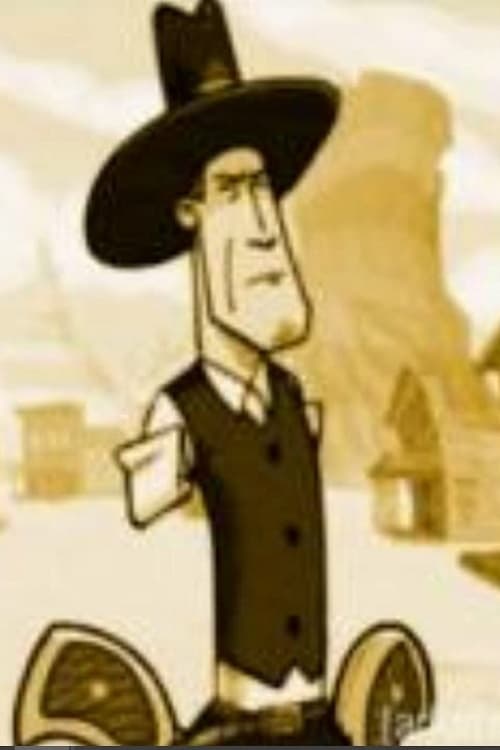
The available material does not support a true complete scene-by-scene spoiler for The Last Real Cowboys beyond its basic premise, cast, and production details. What can be reliably described is a very short western set around a campfire in the 1800s, where Slope and Tar spend the film in a tense, philosophical argument about the past, the future, and who is likely to survive the night.
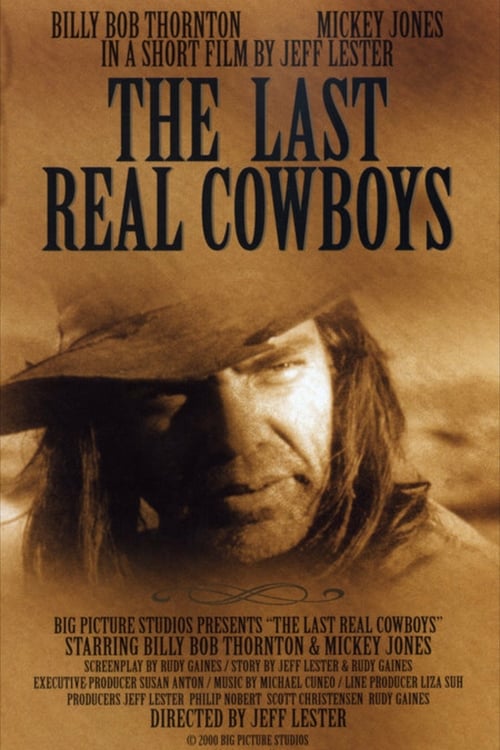
The film opens in the Nevada desert, with the landscape stretching wide and empty around a small campfire in the Old West. The setting is stripped down to almost nothing: two men, a fire, the night, and a conversation that keeps circling back to survival. Slope and Tar are the only clearly identified central figures in the surviving synopsis, and the entire setup is framed as a kind of "first New Age chat in the Old West," which gives the film a satirical edge even as it keeps the atmosphere rooted in classic Western imagery. Billy Bob Thornton and Mickey Jones star in the short, which was shot over two days in Cathedral Gorge, Nevada, and the production itself is described as a "magical little short," suggesting a minimalist, character-driven piece rather than a conventional action Western.
The early exchanges establish the tone immediately. Around the fire, the men are not trading gunfire or planning a robbery; instead, they are trading ideas, sarcasm, and suspicion. Slope and Tar argue about what has been, what will be, and what kind of man survives when hard men meet hard truths. The synopsis suggests that the tension is built from uncertainty itself: both men know the conversation is really about control, pride, and the possibility that one of them will not walk away. Even the film's most obvious joke--this being a "New Age chat" in the Old West--carries a darker edge, because every self-aware line sounds like it could be the last thing one man says before the other decides he has heard enough.
As the night deepens, the conversation turns more personal. Tar, played by Mickey Jones, is implied to be the kind of weathered frontier man who has heard strange ideas before but does not trust them. Slope, played by Billy Bob Thornton, carries the film's teasing, unstable energy, pressing the argument forward and forcing Tar to respond. The only quoted fragment surviving in the available material is not a full line from the screenplay but a description of the film's comic premise: Tar has apparently "heard something about his 'inner child'" and begins wondering if he needs to "get in touch with his lost youth". That detail reveals the film's central comic twist: the "cowboy" here is not merely a gunslinger but a man forced to confront ideas of self-examination, emotional vulnerability, and identity in a place where such language sounds absurd.
The tension rises because the film refuses to separate philosophy from danger. Every discussion about the future becomes a test of dominance. Every pause around the fire feels like a threat. The men's talk about survival is not metaphorical alone; the synopsis explicitly frames the exchange around "who may or may not survive". That means the audience is meant to read the conversation as a duel, even if no pistols are drawn. The Old West setting makes that expectation unavoidable. A campfire in the dark desert becomes a stage for contest and confession, and the silence between lines becomes as important as the lines themselves.
What the surviving information does not provide is a verified account of any additional characters, hidden objects, side plots, or explicit deaths. No reliable source in the gathered material identifies a supporting cast of multiple named outlaws, townspeople, lawmen, or family members, and there is no confirmed record of a mass confrontation or a body count. Likewise, there is no trustworthy documentation of a detailed twist involving a secret identity, a buried treasure, or a last-minute betrayal. The film appears to work instead as a compact two-hander, built around voice, mood, and a single philosophical standoff rather than a sprawling plot.
That minimalist structure likely shapes the climax. Because the premise is entirely about whether the men will survive the exchange, the finale is less about an action set piece than the emotional outcome of the argument itself. The most plausible reading, supported by the synopsis, is that the film resolves the duel of ideas by leaving the men in a state of uneasy awareness rather than clean victory. The tension is not released through an elaborate shootout; it is concentrated into the question of who, if anyone, has the stronger hold on the truth. The final beat is therefore best understood as the culmination of their verbal contest, with the desert night and the campfire acting as the final witnesses.
So the complete spoiler, as far as verified material allows, is this: The Last Real Cowboys is a short, ironic Western conversation piece set around a campfire in the 1800s, where Slope and Tar debate life, survival, the future, and modern ideas such as the "inner child". The humor comes from placing reflective, almost New Age language into an archetypal frontier setting, and the suspense comes from the suggestion that one of the two men may not survive the encounter. Beyond that core premise, there is no reliable evidence in the available sources for a fuller documented plot, confirmed deaths, or a detailed ending sequence.
More Movies Like This
Browse All Movies →


What is the ending?
In the ending of "The Last Real Cowboys," the main characters confront the realities of their lives as ranchers in a changing world. The film culminates in a poignant moment where they reflect on their choices and the future of their way of life. The characters face the emotional weight of their decisions, leading to a sense of acceptance and resolution.
As the final scenes unfold, we see the characters grappling with the impact of modernization on their ranching lifestyle. The film closes with a sense of bittersweet nostalgia, highlighting the enduring spirit of the cowboys even as they acknowledge the inevitable changes around them.
The ending of "The Last Real Cowboys" begins with a quiet, reflective atmosphere as the sun sets over the expansive ranch land. The camera pans across the golden fields, capturing the beauty of the landscape that has been home to the characters for generations. The air is thick with a sense of finality, as the characters gather for one last meeting to discuss the future of their ranching way of life.
In this scene, we find the main characters--veteran ranchers who have dedicated their lives to the land--sitting around a weathered wooden table. Their faces are etched with lines of experience and worry, reflecting the weight of their decisions. They share stories of the past, reminiscing about the days when ranching was simpler and more fulfilling. Each character's voice carries a mix of pride and sorrow, revealing their deep connection to the land and the traditions they hold dear.
As the conversation unfolds, tensions rise as they confront the reality of modern pressures--financial struggles, environmental changes, and the encroachment of urban development. One character, who has been particularly resistant to change, expresses his fears about losing the ranch and the lifestyle he cherishes. His voice trembles with emotion, revealing his vulnerability and the deep-seated fear of losing his identity as a cowboy.
Another character, more pragmatic, suggests that they must adapt to survive. This sparks a heated debate among the group, showcasing their differing perspectives on tradition versus progress. The camera captures their animated expressions, the intensity of their emotions palpable in the dim light of the room. As they argue, the weight of their shared history hangs in the air, a reminder of the bonds that tie them together even as they face divergent paths.
In a moment of silence, one of the older ranchers stands up, looking out the window at the sprawling fields. He speaks softly but firmly, urging the others to remember what truly matters--their connection to the land and to each other. His words resonate deeply, and the group falls silent, reflecting on the essence of their lives as cowboys. This moment serves as a turning point, as they begin to understand that while the world may change, their spirit and camaraderie can endure.
As the sun dips below the horizon, casting a warm glow over the landscape, the characters come to a collective decision. They agree to work together to find a way to preserve their ranching heritage while also embracing necessary changes. This resolution brings a sense of relief and hope, as they realize that they do not have to face the future alone.
The film concludes with a montage of scenes showing the characters working together on the ranch, their laughter echoing across the fields. The camera captures the beauty of their labor--their hands in the soil, the horses galloping freely, and the sun rising over the horizon. Each character is shown in moments of joy and determination, symbolizing their commitment to both their past and their future.
In the final shot, the camera pulls back to reveal the vastness of the ranch, a testament to their enduring legacy. The characters, now united in purpose, stand together, looking out over the land they love. The screen fades to black, leaving the audience with a sense of hope and the enduring spirit of the last real cowboys.
Is there a post-credit scene?
The movie "The Last Real Cowboys," produced in 2000, does not contain a post-credit scene. The film concludes its narrative without any additional scenes or content after the credits roll. The story wraps up with a focus on the characters' journeys and the themes of tradition, change, and the struggles of modern ranching life, leaving the audience with a sense of closure regarding the characters' arcs.
How do the characters' relationships evolve throughout the film?
Throughout the film, the relationships between the characters evolve significantly. The bond between the ranchers deepens as they share their struggles and triumphs, fostering a sense of camaraderie. However, tensions also arise due to differing views on how to adapt to modern challenges, leading to conflicts that test their friendships and familial ties. The emotional stakes are heightened as they confront personal losses and the fear of losing their heritage.
What challenges do the main characters face in maintaining their ranching lifestyle?
The main characters, who are traditional ranchers, face numerous challenges in maintaining their ranching lifestyle, including economic pressures from large agribusinesses, environmental changes affecting their land, and the struggle to uphold their way of life in a rapidly modernizing world. They grapple with the financial instability that comes from fluctuating cattle prices and the increasing costs of ranching, which threaten their livelihoods.
What role does the landscape play in the characters' lives and decisions?
The landscape plays a crucial role in the characters' lives, serving as both a source of beauty and a harsh reminder of their struggles. The vast, open spaces of the ranch symbolize freedom and tradition, while the changing environment reflects the challenges they face. The characters often find solace in the land, but it also becomes a battleground for their survival, influencing their decisions about how to manage their ranches and adapt to external pressures.
How do the characters cope with the threat of losing their ranches?
The characters cope with the threat of losing their ranches through a combination of resilience, community support, and a deep-rooted connection to their way of life. They engage in discussions about sustainable practices and explore alternative income sources, such as agritourism, to keep their ranches afloat. Their emotional responses range from despair to determination, as they rally together to fight for their heritage and the future of ranching.
What personal sacrifices do the characters make for their ranching lifestyle?
The characters make significant personal sacrifices for their ranching lifestyle, often prioritizing their land and livestock over personal relationships and financial security. They endure long hours of hard labor, face physical exhaustion, and sometimes miss important family events. These sacrifices highlight their commitment to their way of life, but also lead to moments of introspection about what they are willing to give up to preserve their ranching legacy.
Is this family friendly?
"The Last Real Cowboys," produced in 2000, is a documentary that explores the lives of modern-day cowboys and their connection to the land and tradition. While it primarily focuses on the themes of ranching, family, and the challenges faced by these individuals, there are a few aspects that may be considered objectionable or upsetting for children or sensitive viewers.
-
Themes of Hardship: The film delves into the struggles of ranching life, including financial difficulties and the impact of environmental changes. These themes may be heavy for younger audiences.
-
Emotional Struggles: The cowboys share personal stories that may evoke feelings of sadness or nostalgia, particularly regarding loss and the changing nature of their way of life.
-
Real-Life Challenges: The documentary does not shy away from depicting the realities of ranching, which can include discussions about animal husbandry, the harshness of nature, and the emotional toll of losing livestock.
-
Language: There may be instances of strong language or adult conversations that could be inappropriate for younger viewers.
Overall, while the film is not explicitly graphic or violent, its emotional depth and mature themes may require parental discretion for younger audiences.









