













Popular
What role does the mysterious circus play in the story of Werckmeister Harmonies?
How does the character of János reflect the themes of isolation and connection?
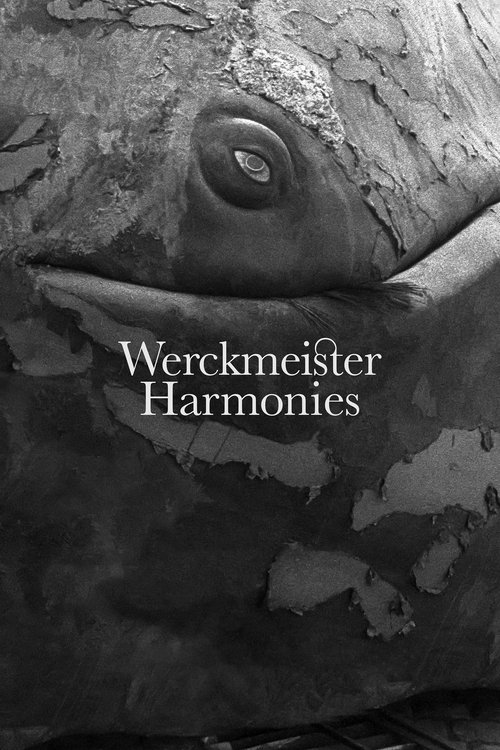
What is the significance of the whale in Werckmeister Harmonies?
How does the character of the Prince influence the townspeople?
What is the relationship between János and his uncle, and how does it evolve throughout the film?
Should I watch it?
Ask Your Own Question

What is the plot?
Sorry, we aren't able to watch and write up a full detailed plot yet. Check back in a few days.



What is the ending?
In the ending of "Werckmeister Harmonies," the protagonist, János, finds himself in a chaotic and violent environment as the town descends into turmoil following the arrival of a mysterious circus and its enigmatic figure, the Prince. The film concludes with János witnessing the aftermath of the chaos, ultimately leading to a sense of despair and disillusionment.
As the film progresses towards its conclusion, we see János navigating through a town that has been overtaken by unrest. The arrival of the circus has stirred up deep-seated fears and tensions among the townspeople, leading to violent confrontations. János, who has been a passive observer throughout much of the film, becomes increasingly aware of the disintegration of social order around him.
In the final scenes, János is confronted with the stark reality of the chaos. He wanders through the streets, witnessing the aftermath of violence and destruction. The once-familiar landscape of his town is now filled with debris and signs of conflict. The emotional weight of the situation bears down on him, and he grapples with feelings of helplessness and despair.
The film closes with János standing alone, surrounded by the remnants of the chaos. The camera lingers on his face, capturing the profound sense of loss and confusion that has overtaken him. The fate of the main characters is left ambiguous, but it is clear that the events have irrevocably changed János and the community around him.
In this ending, János embodies the struggle of an individual trying to find meaning in a world that has spiraled into chaos. The film leaves viewers with a haunting sense of uncertainty, reflecting the fragility of human connections and the impact of societal breakdown.
As the film nears its conclusion, we find János, the protagonist, in a town that has been transformed by the arrival of the circus and the figure known as the Prince. The atmosphere is thick with tension, and the once-peaceful community is now rife with fear and suspicion. The arrival of the circus has ignited a series of events that lead to a violent uprising among the townspeople, who are drawn into a frenzy fueled by their anxieties and the allure of the unknown.
In the first scene of the ending, János walks through the streets, which are now filled with angry crowds. The camera captures the chaos as groups of people shout and clash, their faces twisted in rage and confusion. János, who has been a passive observer throughout much of the film, is now thrust into the heart of this turmoil. He feels a deep sense of disconnection from the violence around him, as if he is watching a surreal play unfold.
As he moves through the town, János encounters various townspeople who are caught up in the hysteria. He sees friends and neighbors turning against one another, their relationships fraying under the weight of fear. The emotional turmoil is palpable, and János's internal struggle becomes more pronounced. He is torn between his desire to understand the chaos and his instinct to retreat from it.
In a pivotal moment, János witnesses a brutal confrontation between the townspeople and the authorities. The violence escalates, and he is forced to confront the reality of the situation. The camera captures the raw emotion of the scene, focusing on the faces of those involved--fear, anger, and desperation etched into their features. János's heart races as he realizes the depth of the conflict and the fragility of the social fabric that once held the community together.
As the chaos continues to unfold, János finds himself in a desolate area of the town, surrounded by debris and remnants of the violence. The once-familiar landscape is now unrecognizable, filled with destruction and despair. He stands alone, grappling with the weight of what has transpired. The camera lingers on his face, capturing the profound sense of loss and confusion that has overtaken him. The silence that follows the chaos is deafening, amplifying his feelings of isolation.
In the final moments of the film, János is left standing amidst the ruins of his community, a solitary figure in a world that has spiraled into chaos. The fate of the other main characters remains ambiguous, but it is clear that the events have irrevocably changed János. He is left to ponder the meaning of the chaos and the fragility of human connections in a world that has lost its way.
The film concludes with a haunting image of János, embodying the struggle of an individual trying to find meaning in a world that has descended into turmoil. The camera fades to black, leaving viewers with a lingering sense of uncertainty and the weight of the emotional journey that has unfolded. The ending serves as a poignant reflection on the impact of societal breakdown and the search for understanding in the face of chaos.
Is there a post-credit scene?
"Werckmeister Harmonies," directed by Béla Tarr, does not have a post-credit scene. The film concludes with a powerful and haunting final sequence that encapsulates its themes of chaos, despair, and the search for meaning in a disintegrating world. After the credits roll, there are no additional scenes or content that follow. The film's ending leaves a lasting impression, inviting viewers to reflect on the narrative and its emotional weight without any further elaboration or closure.
What role does the mysterious circus play in the story of Werckmeister Harmonies?
The mysterious circus serves as a catalyst for the events in the film, representing chaos and the disruption of societal order. Its arrival in the small town brings a sense of foreboding and curiosity, as the townspeople are drawn to the enigmatic figure of the Prince and the giant whale. The circus symbolizes the clash between the mundane and the extraordinary, and its presence amplifies the underlying tensions within the community.
How does the character of János reflect the themes of isolation and connection?
János, the protagonist, embodies a deep sense of isolation despite his attempts to connect with others. His interactions, particularly with his uncle and the townspeople, reveal his yearning for understanding and companionship. János's internal struggles are highlighted through his contemplative nature and his observations of the world around him, showcasing his emotional turmoil as he navigates a society on the brink of chaos.
What is the significance of the whale in Werckmeister Harmonies?
The whale, a central symbol in the film, represents both beauty and destruction. It evokes a sense of wonder and awe among the townspeople, yet it also serves as a harbinger of the impending chaos that follows the circus's arrival. The whale's presence challenges the characters' perceptions of reality and their place within it, ultimately reflecting the fragility of human existence in the face of overwhelming forces.
How does the character of the Prince influence the townspeople?
The Prince, as a charismatic yet ominous figure, exerts a powerful influence over the townspeople, igniting their fears and desires. His enigmatic nature captivates the community, leading to a collective hysteria that reveals the darker aspects of human nature. The Prince's ability to manipulate emotions and incite violence showcases the vulnerability of the townspeople, as they are drawn into a frenzy that ultimately leads to tragic consequences.
What is the relationship between János and his uncle, and how does it evolve throughout the film?
János's relationship with his uncle is complex, marked by a blend of affection and frustration. His uncle represents a more pragmatic view of the world, often clashing with János's idealism and sensitivity. As the story unfolds, their interactions reveal the generational divide and differing responses to the chaos surrounding them. János's desire for connection and understanding contrasts with his uncle's cynicism, ultimately highlighting the emotional distance that grows between them as the town descends into turmoil.
Is this family friendly?
"Werckmeister Harmonies," directed by Béla Tarr, is not considered family-friendly due to its heavy themes and visual content. The film explores existential despair, societal breakdown, and human suffering, which may be distressing for children or sensitive viewers.
Potentially objectionable or upsetting aspects include:
- Violence and Aggression: There are scenes depicting mob violence and aggression, which can be unsettling.
- Death and Mortality: The film addresses themes of death and the human condition, with imagery that may be disturbing.
- Despair and Hopelessness: The overall tone is bleak, reflecting a sense of hopelessness that may be emotionally heavy for younger audiences.
- Dark Atmosphere: The cinematography and pacing contribute to a somber and oppressive atmosphere, which may be overwhelming.
These elements combine to create a challenging viewing experience that may not be suitable for children or those sensitive to such themes.









