



Popular
What specific events lead to the climax of the film?
What role do the children play in the unfolding events of the story?
What motivates the main character, a suburban mother, to become involved in the occult?
How does the character of the mysterious neighbor influence the plot?
How does the film portray the theme of suburban life through its characters?
Should I watch it?
Ask Your Own Question

What is the plot?
Sorry, we aren't able to watch and write up a full detailed plot yet. Check back in a few days.
More Movies Like This
Browse All Movies →





What is the ending?
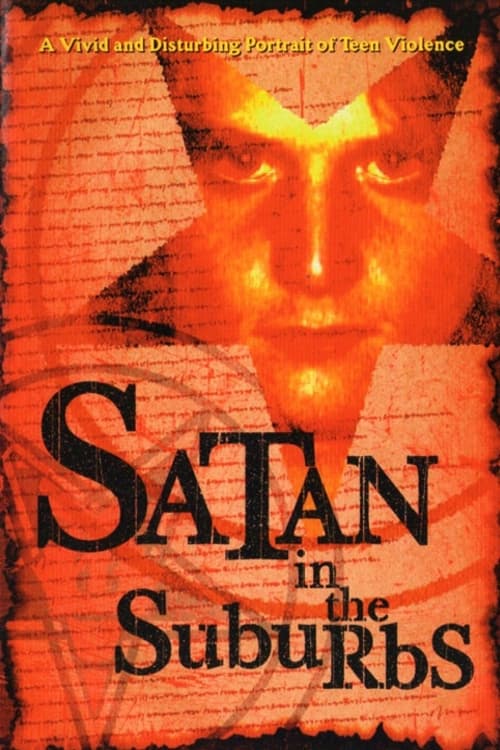
In the ending of "Satan in the Suburbs," the main characters confront the chaos that has unfolded in their lives due to the influence of a mysterious cult. The protagonist, a suburban mother, ultimately rejects the cult's allure and reclaims her life, leading to a resolution of the conflict. The film concludes with a sense of hope as the characters begin to heal from their experiences.
As the final act unfolds, the tension escalates in the suburban neighborhood. The protagonist, a mother named Claire, finds herself increasingly drawn into the cult's activities, which have been wreaking havoc on her family and community. The cult, led by a charismatic figure, has been manipulating the residents, preying on their insecurities and desires for belonging.
Scene by scene, the climax begins with Claire attending a final gathering of the cult. The atmosphere is charged with a mix of excitement and dread as the cult members chant and perform rituals. Claire, initially swept up in the fervor, begins to feel a deep sense of unease. She looks around at the faces of her friends and neighbors, now transformed by their devotion to the cult. The camera captures her internal struggle, her heart racing as she realizes the extent of the manipulation.
In a pivotal moment, Claire's husband, Mark, who has been skeptical of the cult from the beginning, bursts into the gathering. His arrival is met with gasps and whispers, as he confronts Claire, pleading with her to leave. The tension in the room thickens, and Claire feels torn between her loyalty to the cult and her love for her family. The emotional weight of the scene is palpable, as Claire's face reflects her turmoil.
As Mark continues to implore her to escape, Claire's resolve begins to waver. She glances at the cult leader, who tries to assert control over the situation, but Claire's growing awareness of the cult's true nature empowers her. In a moment of clarity, she stands up, her voice trembling but firm, declaring that she will not be a part of this any longer. The cult members react with shock and anger, but Claire's determination shines through.
The scene shifts to a chaotic confrontation as cult members attempt to restrain Claire. Mark rushes to her side, and together they break free from the clutches of the cult. The couple runs through the suburban streets, the night air filled with the sounds of their hurried footsteps and the distant chants of the cult behind them. The camera captures their desperation and relief as they escape the oppressive atmosphere.
In the aftermath, the film transitions to a quieter scene. Claire and Mark sit together on their porch, the dawn breaking over the horizon. They reflect on the turmoil they have faced, their bond strengthened by the ordeal. Claire expresses her gratitude for Mark's unwavering support, and they share a moment of vulnerability, acknowledging the scars left by the experience.
The final moments of the film show the couple working to rebuild their lives. They reach out to their neighbors, who are also recovering from the cult's influence. The community begins to heal, and the camera pans out to reveal a sense of unity among the residents as they come together to support one another.
As the credits roll, viewers are left with a sense of hope and resilience. Claire and Mark's journey illustrates the power of love and the importance of standing against manipulation, ultimately leading to a brighter future for themselves and their community.
Is there a post-credit scene?
"Satan in the Suburbs," produced in 2000, does not feature a post-credit scene. The film concludes its narrative without any additional scenes or content after the credits roll. The story wraps up with the main characters resolving their conflicts, leaving the audience with a sense of closure regarding the events that unfolded throughout the film. The absence of a post-credit scene aligns with the film's focus on the themes of suburban life and the supernatural elements that permeate the plot, allowing viewers to reflect on the story without any further distractions.
What specific events lead to the climax of the film?
The climax of the film is reached when Mary, fully immersed in her occult practices, participates in a dangerous ritual that threatens not only her own life but also the safety of her family. This pivotal moment is marked by intense visual imagery, including dark ceremonies and supernatural occurrences, which culminate in a confrontation that forces Mary to confront the consequences of her actions.
What role do the children play in the unfolding events of the story?
The children in the story serve as both a source of conflict and a reflection of the main character's internal struggles. As Mary becomes more involved in the occult, her relationship with her children deteriorates, highlighting the consequences of her choices. Their innocence contrasts sharply with the dark path Mary is choosing, creating tension and emotional stakes.
What motivates the main character, a suburban mother, to become involved in the occult?
The main character, a suburban mother named Mary, is initially motivated by a sense of boredom and dissatisfaction with her mundane life. As she navigates the challenges of suburban existence, including her strained marriage and the pressures of motherhood, she becomes increasingly drawn to the allure of the occult as a means of escape and empowerment.
How does the character of the mysterious neighbor influence the plot?
The mysterious neighbor, who is revealed to have a deep connection to the occult, serves as a catalyst for Mary's transformation. His enigmatic presence and knowledge of dark rituals intrigue Mary, leading her to explore the darker aspects of her desires and ultimately pushing her further into the world of witchcraft.
How does the film portray the theme of suburban life through its characters?
The film portrays suburban life as a facade of perfection that masks deeper issues such as isolation, dissatisfaction, and the search for identity. Characters like Mary and her friends embody the struggles of maintaining appearances while grappling with their inner turmoil, showcasing the contrast between their outward lives and their hidden desires.
Is this family friendly?
"Satan in the Suburbs," produced in 2000, is a dark comedy that explores themes of suburban life intertwined with elements of the occult. While it has humorous moments, it also contains several potentially objectionable or upsetting aspects that may not be suitable for children or sensitive viewers.
-
Occult Themes: The film revolves around satanic rituals and the supernatural, which may be unsettling for younger audiences or those sensitive to such topics.
-
Dark Humor: The humor often leans towards the macabre, which might be confusing or inappropriate for children.
-
Violence and Threats: There are scenes that depict violence or threats, albeit in a comedic context, that could be disturbing.
-
Parental Conflict: The film portrays strained family dynamics and conflicts that may resonate negatively with younger viewers.
-
Mature Language: There are instances of strong language that may not be suitable for children.
-
Social Commentary: The film critiques suburban life and may include themes of disillusionment that could be heavy for younger audiences to process.
Overall, while "Satan in the Suburbs" has comedic elements, its themes and content may not be appropriate for all viewers, particularly children.








