









Popular
Should I watch it?
Ask Your Own Question

What is the plot?
Sorry, we aren't able to watch and write up a full detailed plot yet. Check back in a few days.
More Movies Like This
Browse All Movies →


What is the ending?
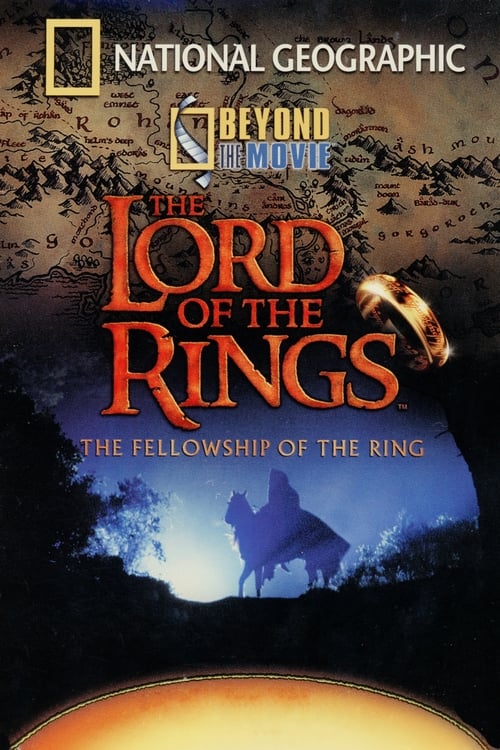
In the ending of "Beyond the Movie: The Fellowship of the Ring," the Fellowship is fractured after a fierce battle at Amon Hen. Boromir falls in battle while trying to protect Merry and Pippin from Uruk-hai. Aragorn, Legolas, and Gimli pursue the Uruk-hai to rescue the hobbits, while Frodo decides to continue the quest to destroy the One Ring alone. He sets off towards Mordor, and Sam, realizing Frodo's intentions, jumps into the water to follow him.
Expanding on the ending in a detailed narrative:
As the sun begins to set over the ancient ruins of Amon Hen, the air is thick with tension and the aftermath of battle. The Fellowship, once united in purpose, now stands on the brink of disintegration. Boromir, played by Sean Bean, is gravely wounded, having fought valiantly against the Uruk-hai to protect Merry and Pippin. His face is a mixture of pain and regret as he lies on the ground, bloodied and exhausted. He confesses to Aragorn, his eyes filled with remorse, that he tried to take the Ring from Frodo, revealing the corrupting power it holds. In his final moments, Boromir seeks redemption, urging Aragorn to lead the people of Gondor and to protect the hobbits. His death is poignant, a tragic reminder of the Ring's influence, and he dies with honor, having defended his friends.
Meanwhile, Merry and Pippin, played by Dominic Monaghan and Billy Boyd, are captured by the Uruk-hai. They are terrified but also determined to escape. As they are taken away, they exchange glances filled with fear and resolve, knowing they must find a way to survive and aid their friends.
Aragorn, Legolas, and Gimli, portrayed by Viggo Mortensen, Orlando Bloom, and John Rhys-Davies, respectively, are left to grapple with the loss of Boromir and the urgency of their mission. They decide to pursue the Uruk-hai to rescue the hobbits, their faces set with determination. The trio races through the forest, their hearts pounding with the weight of their responsibility. The camaraderie between them is palpable, showcasing their bond forged through shared trials.
As Frodo, played by Elijah Wood, stands at the edge of the river, he feels the heavy burden of the Ring. The weight of his quest presses down on him, and he knows that the only way to ensure the Ring's destruction is to continue alone. His expression is one of deep conflict; he longs for companionship but understands the peril that his friends face by being near him. With a heavy heart, he steps into a small boat, ready to embark on the next leg of his journey to Mordor.
Just as Frodo is about to drift away, Sam, played by Sean Astin, realizes Frodo's intentions. In a moment of desperation and loyalty, he jumps into the water, calling out to Frodo. The water splashes around him as he swims with all his might, determined not to let his friend go alone. Frodo, surprised but relieved, pulls Sam into the boat, and they share a moment of silent understanding. Their friendship is solidified in this act of bravery, as they both know the dangers that lie ahead.
The camera pulls back, revealing the vastness of Middle-earth, the journey ahead fraught with peril and uncertainty. The Fellowship, once a united front, is now splintered, each member facing their own challenges. Aragorn, Legolas, and Gimli continue their pursuit of the Uruk-hai, while Frodo and Sam set their course toward the dark lands of Mordor, their fates intertwined yet separate.
As the screen fades to black, the weight of their choices hangs in the air, leaving the audience with a sense of foreboding and anticipation for the trials that await them in the next chapter of their epic journey.
Is there a post-credit scene?
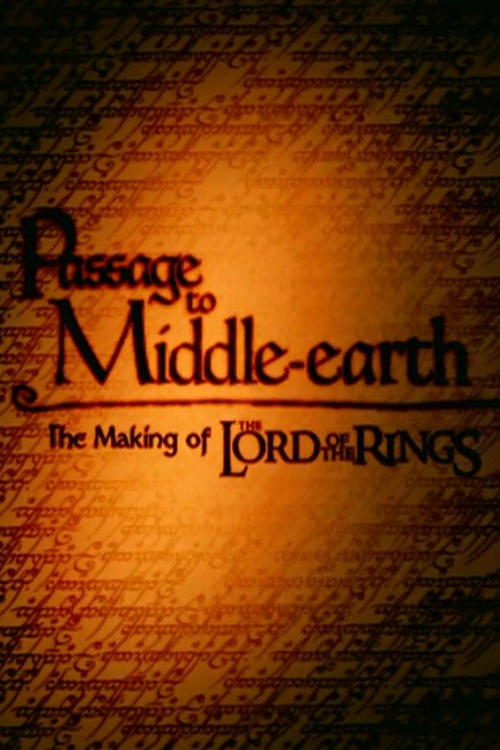
"Beyond the Movie: The Fellowship of the Ring," produced in 2001, does not contain a post-credit scene. The film primarily serves as a documentary that explores the making of "The Lord of the Rings: The Fellowship of the Ring," featuring behind-the-scenes footage, interviews with the cast and crew, and insights into the filmmaking process. It focuses on the artistic and technical challenges faced during production rather than providing additional narrative content or scenes related to the story. Therefore, viewers can expect a comprehensive look at the film's creation without any additional scenes after the credits.
What motivates Frodo to take the Ring to Mount Doom?
Frodo's motivation to take the Ring to Mount Doom stems from a deep sense of responsibility and loyalty to his friends and the Shire. Initially, he is reluctant to leave his home, but the weight of the task is compounded by the knowledge that the Ring is a source of great evil that must be destroyed to protect Middle-earth. His internal struggle is marked by fear of the Ring's corrupting power, yet he feels compelled to act for the greater good.
How does Aragorn's character develop throughout the story?
Aragorn's character development is pivotal in 'The Fellowship of the Ring.' Initially introduced as a mysterious ranger, he grapples with his identity as the heir to the throne of Gondor. His journey is marked by moments of doubt and courage, particularly when he steps up to lead the Fellowship after Gandalf's fall. His internal conflict between embracing his destiny and his fear of failure shapes his actions, culminating in a growing sense of purpose and leadership.
What is the significance of Gandalf's fall in Moria?
Gandalf's fall in Moria is a crucial turning point in the narrative. It symbolizes the loss of guidance and wisdom for the Fellowship, plunging them into uncertainty and fear. His sacrifice against the Balrog showcases his bravery and the high stakes of their quest. The emotional impact on the characters, especially Frodo and Aragorn, is profound, as they must now confront the dangers ahead without their mentor, forcing them to grow and take on greater responsibilities.
How does Boromir's character arc reflect the theme of temptation?
Boromir's character arc is a poignant exploration of temptation and redemption. Initially portrayed as a noble warrior, his desire to use the Ring to save Gondor reveals his vulnerability to its corrupting influence. His internal struggle culminates in a moment of betrayal when he attempts to take the Ring from Frodo. However, his eventual sacrifice to protect Merry and Pippin signifies his redemption, showcasing the complexity of his character and the theme of resisting temptation.
What role does the Elven realm of Lothlórien play in the story?
Lothlórien serves as a sanctuary for the Fellowship, providing a moment of respite amidst their perilous journey. The ethereal beauty of the realm, with its golden leaves and serene atmosphere, contrasts sharply with the darkness they face. Galadriel's gifts to the members of the Fellowship symbolize hope and guidance, reinforcing the theme of unity against evil. The emotional solace found in Lothlórien allows the characters to reflect on their mission and the sacrifices they must make.
Is this family friendly?
"Beyond the Movie: The Fellowship of the Ring" is a documentary that explores the making of the film "The Fellowship of the Ring." While it is generally family-friendly, there are a few aspects that might be considered potentially objectionable or upsetting for children or sensitive viewers:
-
Discussion of Dark Themes: The documentary delves into the darker themes of the story, including the nature of evil and the struggles faced by the characters, which may be intense for younger viewers.
-
Behind-the-Scenes Footage of Intense Scenes: There may be clips showing the making of battle scenes or other intense moments from the film, which could be unsettling for some.
-
Emotional Reflections: Interviews with cast and crew may touch on personal struggles or emotional challenges faced during production, which could evoke strong feelings.
-
Visual Effects of Violence: Some segments may include discussions or visual effects related to the battles and conflicts depicted in the film, which might be graphic in nature.
-
Character Vulnerability: The documentary may highlight moments of vulnerability or fear experienced by characters, which could resonate deeply with sensitive viewers.
Overall, while the documentary is informative and engaging, parents may want to preview it to determine its suitability for their children.








