
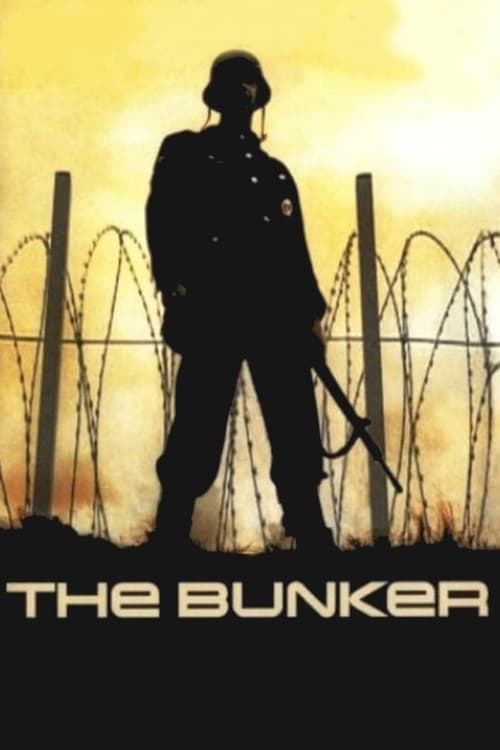












Popular
What is the significance of the character of Captain von Waldheim in The Bunker?
How does the character of Lieutenant Huber contribute to the tension in The Bunker?
What role does the setting of the bunker play in the characters' psychological states?
How does the film depict the relationship between the soldiers and their perception of the war?
What is the impact of the character of the German soldier who goes mad in The Bunker?
Should I watch it?
Ask Your Own Question

What is the plot?
Sorry, we aren't able to watch and write up a full detailed plot yet. Check back in a few days.









What is the ending?
In the ending of "The Bunker," the remaining soldiers face the consequences of their actions and the psychological toll of their situation. As paranoia and fear escalate, they turn on each other, leading to tragic outcomes. The film concludes with a sense of despair, as the characters are consumed by their own madness and the horrors of war.
As the final act unfolds, the atmosphere in the bunker grows increasingly tense. The remaining soldiers, now isolated and desperate, grapple with their dwindling supplies and the haunting memories of their fallen comrades. The weight of their situation presses heavily on them, and the claustrophobic environment amplifies their fears.
In a pivotal scene, the character of Lieutenant Huber, who has been struggling with his leadership role, becomes increasingly erratic. His mental state deteriorates as he grapples with guilt over the deaths of his men and the futility of their situation. He begins to lash out at his fellow soldiers, accusing them of cowardice and betrayal. This confrontation escalates into a physical altercation, showcasing the breakdown of camaraderie among the men.
Meanwhile, Private Schneider, who has been a voice of reason throughout the film, attempts to mediate the conflict. He tries to remind the others of their shared humanity and the importance of sticking together. However, his efforts are met with hostility, and he becomes a target of their paranoia. The tension culminates in a tragic moment when Schneider is accidentally shot during a struggle, leaving the remaining soldiers in shock and guilt.
As the days drag on, the bunker becomes a prison of their own making. The soldiers are haunted by visions of their fallen comrades, and the line between reality and hallucination blurs. They begin to see manifestations of their fears, with some believing they are being hunted by an unseen enemy. This psychological unraveling leads to further violence, as the men turn on one another in a desperate attempt to assert control over their fate.
In the final moments, the last surviving soldier, Corporal Fischer, is left alone in the bunker. He is a shell of his former self, consumed by despair and madness. The film closes with Fischer sitting in the dark, surrounded by the remnants of his comrades, as the sounds of war echo outside. The screen fades to black, leaving the audience with a haunting sense of the futility of war and the psychological scars it leaves behind.
The fates of the main characters are tragic: Lieutenant Huber succumbs to his madness and guilt, leading to his own demise; Private Schneider's attempt to maintain peace ends in his accidental death; and Corporal Fischer, the last survivor, is left to confront the emptiness of his existence, trapped in a cycle of despair. The film ends on a somber note, emphasizing the devastating impact of war on the human psyche.
Is there a post-credit scene?
The movie "The Bunker," produced in 2001, does not have a post-credit scene. The film concludes with a focus on the psychological and emotional turmoil experienced by the characters trapped in the bunker during World War II. The ending emphasizes the themes of despair and the impact of war on the human psyche, leaving the audience with a sense of unresolved tension and the haunting consequences of their actions. The narrative wraps up without any additional scenes after the credits, maintaining the somber tone established throughout the film.
What is the significance of the character of Captain von Waldheim in The Bunker?
Captain von Waldheim is a central figure in The Bunker, representing the moral and psychological decline of the German military during World War II. His character is marked by a sense of desperation and denial as he grapples with the impending defeat of Nazi Germany. Throughout the film, he oscillates between moments of authority and vulnerability, showcasing his internal conflict as he tries to maintain control over his men while facing the reality of their situation.
How does the character of Lieutenant Huber contribute to the tension in The Bunker?
Lieutenant Huber serves as a foil to Captain von Waldheim, embodying the younger generation of soldiers who are increasingly disillusioned with the war. His character is driven by a desire for survival and a growing sense of futility. Huber's interactions with von Waldheim often highlight the generational divide and the shifting attitudes towards the war, creating a palpable tension as he questions the orders and decisions made by his superior.
What role does the setting of the bunker play in the characters' psychological states?
The bunker itself is a claustrophobic and oppressive environment that mirrors the characters' deteriorating mental states. As the film progresses, the confined space amplifies feelings of paranoia, fear, and hopelessness among the soldiers. The bunker becomes a character in its own right, representing both physical entrapment and the psychological descent into madness as the men confront their mortality and the collapse of their world.
How does the film depict the relationship between the soldiers and their perception of the war?
The soldiers in The Bunker exhibit a range of responses to the war, from blind loyalty to deep-seated fear and resentment. Their conversations and interactions reveal a growing awareness of the futility of their situation, as they grapple with the consequences of their actions and the ideology they once believed in. This evolving perception is crucial to understanding their motivations and the emotional weight of their choices as the war draws to a close.
What is the impact of the character of the German soldier who goes mad in The Bunker?
The character of the soldier who descends into madness serves as a stark representation of the psychological toll of war. His breakdown highlights the fragility of the human mind under extreme stress and the horrors of combat. This character's unraveling not only adds to the atmosphere of despair within the bunker but also serves as a catalyst for the other soldiers, forcing them to confront their own fears and the reality of their situation.
Is this family friendly?
"The Bunker," produced in 2001, is not considered family-friendly due to its intense themes and graphic content. The film is set during World War II and revolves around a group of German soldiers and officials trapped in a bunker as the war comes to a close.
Potentially objectionable or upsetting aspects include:
-
Violence and Death: The film contains scenes of violence, including gunfire and the aftermath of battles, which may be distressing for younger viewers.
-
Psychological Tension: The characters experience extreme stress and paranoia, leading to intense emotional breakdowns and confrontations that could be unsettling.
-
Themes of Despair: The overarching themes of hopelessness and the moral dilemmas faced by the characters can be heavy and may not be suitable for sensitive audiences.
-
Suicide: There are moments that depict characters contemplating or committing suicide, which can be particularly triggering for some viewers.
-
Graphic Imagery: The film includes scenes that portray the harsh realities of war, including dead bodies and the effects of combat, which may be disturbing.
Overall, the film's mature themes and graphic content make it more appropriate for adult audiences rather than children or sensitive viewers.








