








Popular
What motivated Martin Luther King Jr. to lead the Montgomery Bus Boycott?
How did the community respond to the call for the boycott?
What challenges did the boycott participants face during the protest?
How did the boycott impact the relationship between King and other civil rights leaders?
What role did Rosa Parks play in the Montgomery Bus Boycott?
Should I watch it?
Ask Your Own Question

What is the plot?
Sorry, we aren't able to watch and write up a full detailed plot yet. Check back in a few days.

What is the ending?
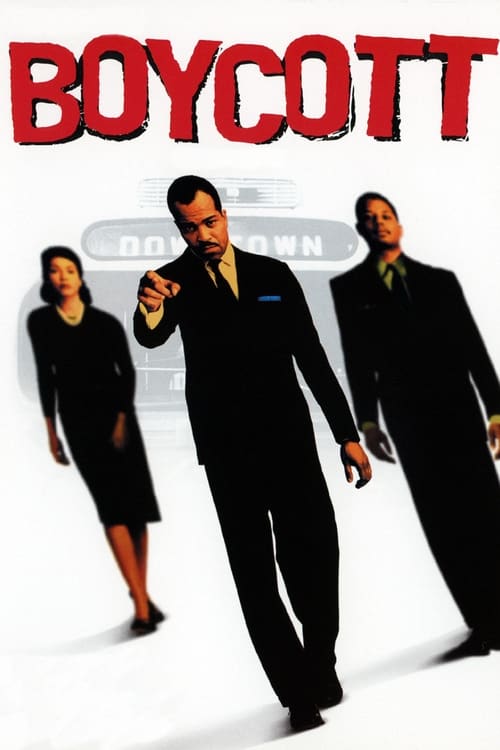
In the ending of the movie "Boycott," the Montgomery Bus Boycott reaches a pivotal moment as the community's resolve is tested. Martin Luther King Jr. and other leaders reflect on the sacrifices made, and the boycott ultimately leads to a Supreme Court ruling that declares segregation on public buses unconstitutional. The film concludes with a sense of hope and determination for the civil rights movement, showcasing the unity and strength of the African American community.
As the film approaches its climax, we see the culmination of the Montgomery Bus Boycott, which has been a grueling struggle for the African American community. The tension in the air is palpable as the leaders, including Martin Luther King Jr., Ralph Abernathy, and other activists, gather to discuss the next steps. They are weary but resolute, having faced numerous challenges, including threats and violence against them and their families. The emotional weight of their sacrifices hangs heavily in the room, yet there is a shared understanding that they are on the brink of a significant victory.
In a pivotal scene, King stands before a gathering of supporters, his voice steady but filled with passion. He speaks about the importance of perseverance and the need to continue the fight for justice. The crowd, filled with determination, responds with cheers, their spirits lifted by his words. This moment encapsulates the collective hope of the community, as they have endured months of hardship, walking to work, facing intimidation, and standing firm in their beliefs.
As the boycott continues, the pressure mounts. The bus company and local authorities are desperate to break the resolve of the boycotters. There are scenes of confrontation, where activists face hostility from segregationists, but they remain steadfast. The film captures the emotional toll this takes on individuals, particularly on King, who grapples with the weight of leadership and the fear for his family's safety.
The turning point arrives when the Supreme Court's decision is announced. The news spreads like wildfire through the community, and the atmosphere shifts from one of tension to jubilation. The ruling declares that segregation on public buses is unconstitutional, a monumental victory for the civil rights movement. The scene is filled with joy as people embrace, cry, and celebrate this hard-fought achievement. King, visibly moved, reflects on the sacrifices made by so many, acknowledging that this victory is not just for them but for future generations.
In the final moments of the film, we see the community coming together to board the buses once again, this time as equals. The imagery is powerful, as African Americans and whites sit side by side, symbolizing a new era of hope and change. King stands at the forefront, embodying the spirit of the movement, his face a mixture of relief and determination for the battles that still lie ahead.
The film concludes with a sense of unity and purpose, emphasizing that while this victory is significant, the fight for civil rights is far from over. Each character, from King to the everyday citizens who participated in the boycott, is left with a renewed sense of hope and commitment to the cause, understanding that their journey is part of a larger struggle for justice and equality.
Is there a post-credit scene?
The movie "Boycott," produced in 2001, does not have a post-credit scene. The film concludes its narrative without any additional scenes or content after the credits roll. The focus remains on the powerful story of the Montgomery Bus Boycott and the pivotal role played by Martin Luther King Jr. and other civil rights leaders, emphasizing the historical significance and emotional weight of the events depicted.
What motivated Martin Luther King Jr. to lead the Montgomery Bus Boycott?
Martin Luther King Jr. was motivated by the injustice faced by African Americans, particularly after the arrest of Rosa Parks for refusing to give up her bus seat to a white passenger. This incident highlighted the systemic racism and segregation in Montgomery, prompting King to take a stand and organize the boycott as a means to challenge and dismantle these oppressive practices.
How did the community respond to the call for the boycott?
The community responded with overwhelming support for the boycott, demonstrating unity and determination. African Americans in Montgomery rallied together, organizing carpools and walking long distances to work, showcasing their commitment to the cause. This collective action not only highlighted their resilience but also created a sense of solidarity among the participants.
What challenges did the boycott participants face during the protest?
Participants faced numerous challenges, including intimidation from white residents and law enforcement, economic hardship due to loss of income, and the threat of violence. Many were arrested or faced job loss for their involvement, yet their resolve remained strong as they continued to fight for their rights and dignity.
How did the boycott impact the relationship between King and other civil rights leaders?
The boycott initially strengthened King's position as a leader within the civil rights movement, but it also created tensions with other leaders who had differing strategies and visions for achieving racial equality. As the boycott progressed, discussions and disagreements arose regarding the direction of the movement, highlighting the complexities of leadership and collaboration in the fight for civil rights.
What role did Rosa Parks play in the Montgomery Bus Boycott?
Rosa Parks played a pivotal role as the catalyst for the Montgomery Bus Boycott. Her act of defiance by refusing to give up her seat became a symbol of resistance against racial segregation. Parks' arrest galvanized the African American community, leading to the formation of the Montgomery Improvement Association, which King would lead, ultimately making her a key figure in the civil rights movement.
Is this family friendly?
"Boycott," produced in 2001, is a historical drama that focuses on the Montgomery Bus Boycott and the civil rights movement. While it is an important film that addresses significant social issues, it contains several elements that may be objectionable or upsetting for children or sensitive viewers.
-
Racial Discrimination: The film depicts the harsh realities of racial segregation and discrimination, which may be distressing for younger audiences. Scenes showing the injustices faced by African Americans can evoke strong emotional responses.
-
Violence and Intimidation: There are moments of violence and intimidation against civil rights activists, including threats and physical confrontations. These scenes may be unsettling for viewers, particularly children.
-
Emotional Turmoil: Characters experience significant emotional pain and struggle, including fear, anger, and despair. The portrayal of these feelings can be intense and may resonate deeply with sensitive viewers.
-
Historical Context: The film addresses the broader context of the civil rights movement, including references to systemic racism and social injustice, which may require a level of maturity to fully understand and process.
-
Conflict and Tension: The film includes scenes of conflict between different groups, which may create a tense atmosphere that could be uncomfortable for some viewers.
Overall, while "Boycott" is a powerful and educational film, its themes and content may not be suitable for all children or sensitive individuals.







