





Popular
What role does the setting play in the development of the plot?
What are the key turning points in the protagonist's character development?
What is the significance of the character's eye in the story?
How does the protagonist's relationship with their family influence their actions?
How does the antagonist's motivations contrast with those of the protagonist?
Should I watch it?
Ask Your Own Question

What is the plot?
Sorry, we aren't able to watch and write up a full detailed plot yet. Check back in a few days.




What is the ending?
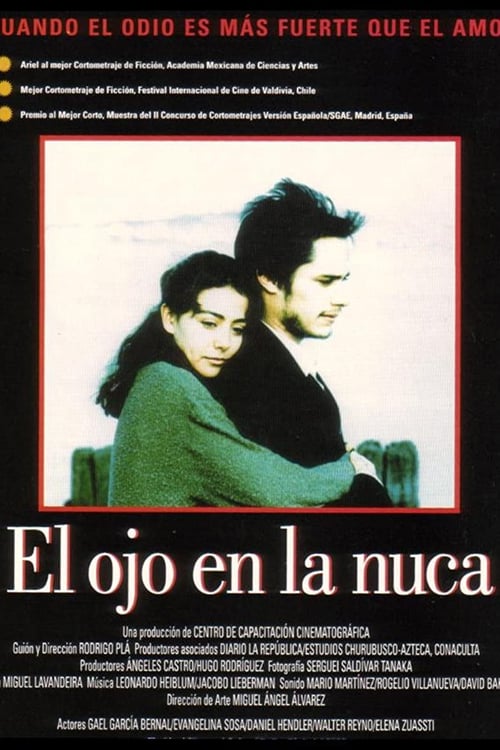
In the ending of "The Eye on the Nape," the protagonist, a woman named Kwan, confronts the truth about her past and the supernatural events that have haunted her. She faces the spirit that has been tormenting her, leading to a climactic resolution where she must make a choice that will determine her fate and the fate of those around her. The film concludes with Kwan finding a sense of closure, but not without significant sacrifice.
As the final act unfolds, Kwan stands in a dimly lit room, the air thick with tension. The atmosphere is heavy with the weight of her past, and the flickering shadows cast by the single overhead light create an eerie ambiance. She is visibly shaken, her heart racing as she recalls the traumatic events that have led her to this moment. The spirit, a manifestation of her unresolved guilt and fear, looms before her, its presence both menacing and sorrowful.
Kwan's internal struggle is palpable; she grapples with the memories of her loved ones and the choices she made that brought her to this confrontation. The spirit begins to reveal the truth about the tragic events that have unfolded, showing Kwan glimpses of her past through haunting visions. Each vision is a painful reminder of her mistakes, and Kwan's emotional state shifts from fear to a deep sense of regret.
In a pivotal moment, Kwan realizes that to free herself from the spirit's grasp, she must confront her own demons. She takes a deep breath, her resolve strengthening as she acknowledges her past actions. The spirit, sensing her acceptance, begins to transform, its anger dissipating as Kwan speaks words of forgiveness--both to herself and to the spirit. This act of reconciliation is powerful, and the room fills with a warm light as the spirit begins to fade, symbolizing Kwan's release from her burdens.
As the spirit vanishes, Kwan feels a profound sense of relief wash over her. However, the victory comes at a cost. The emotional toll of her journey has left her changed, and she understands that while she has found closure, the scars of her past will remain. The film closes with Kwan stepping out into the daylight, a mixture of hope and sorrow in her eyes. She walks away from the darkness, ready to embrace a new beginning, but the weight of her experiences lingers, reminding her of the fragility of life and the importance of facing one's fears.
In the final scenes, we see Kwan's friends and family, who have been supportive throughout her ordeal, waiting for her outside. Their expressions are a blend of concern and relief as they welcome her back into the world. Kwan's journey has not only transformed her but has also strengthened the bonds with those she loves. The film ends on a note of bittersweet hope, emphasizing the themes of redemption, the power of forgiveness, and the enduring impact of our choices.
Is there a post-credit scene?
The movie "The Eye on the Nape," produced in 2001, does not feature a post-credit scene. The film concludes its narrative without any additional scenes or content after the credits roll. The story wraps up with a sense of resolution, focusing on the emotional and psychological journey of the main characters, leaving the audience with a lasting impression of the themes explored throughout the film.
What role does the setting play in the development of the plot?
The setting, a hauntingly beautiful yet eerie landscape, mirrors the protagonist's internal struggles. The isolation of the environment amplifies feelings of loneliness and fear, creating a backdrop that heightens the tension throughout the story.
What are the key turning points in the protagonist's character development?
Key turning points include her initial denial of her past, the moment she embraces her visions, and her confrontation with family secrets. Each turning point reveals layers of her character, showcasing her evolution from fear to empowerment.
What is the significance of the character's eye in the story?
The eye in the story symbolizes perception and the ability to see beyond the surface. It represents the protagonist's journey of self-discovery and the uncovering of hidden truths about her past.
How does the protagonist's relationship with their family influence their actions?
The protagonist's strained relationship with their family drives them to seek validation and understanding. This emotional turmoil propels them into dangerous situations as they grapple with their identity and the expectations placed upon them.
How does the antagonist's motivations contrast with those of the protagonist?
The antagonist is driven by a desire for power and control, often using manipulation to achieve their goals. In contrast, the protagonist seeks truth and connection, leading to a clash of ideals that fuels the conflict in the narrative.
Is this family friendly?
"The Eye on the Nape," produced in 2001, is a film that delves into themes of psychological tension and emotional turmoil. While it may not be overtly graphic, there are several elements that could be considered objectionable or upsetting for children or sensitive viewers.
-
Intense Emotional Scenes: The film features moments of deep emotional distress, including characters grappling with loss and betrayal, which may be difficult for younger audiences to process.
-
Psychological Tension: There are scenes that create a sense of unease and suspense, which could be frightening for children or those sensitive to anxiety-inducing situations.
-
Themes of Isolation: The characters experience feelings of isolation and despair, which may resonate negatively with viewers who are sensitive to such themes.
-
Mature Relationships: The film explores complex adult relationships that may include elements of conflict and misunderstanding, which might not be suitable for younger viewers.
-
Visual Imagery: While not graphic, some visual elements may evoke discomfort or anxiety, particularly in scenes that emphasize the characters' emotional struggles.
Overall, while "The Eye on the Nape" is not explicitly violent or graphic, its emotional depth and psychological themes may not be appropriate for all audiences, particularly children.