
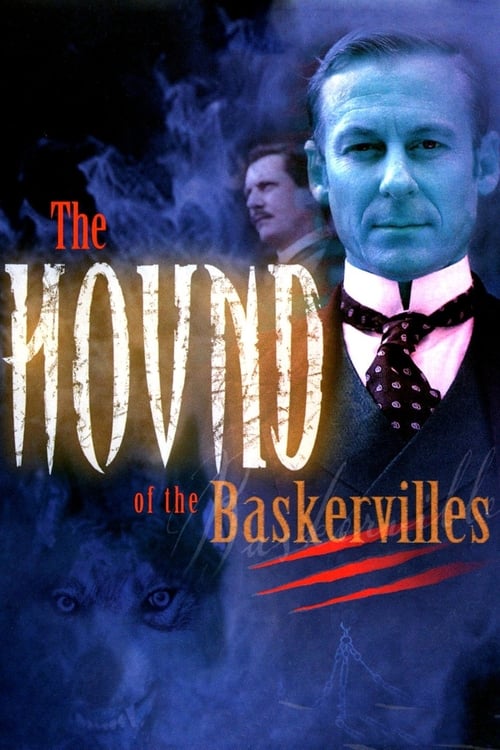

















Popular
What is the significance of the Baskerville family curse in the story?
How does Sherlock Holmes deduce the identity of the villain?
What role does Dr. Watson play in the investigation?
What is the relationship between Sir Henry Baskerville and the other characters?
How does the setting of the moors contribute to the story's atmosphere?
Should I watch it?
Ask Your Own Question

What is the plot?
Sorry, we aren't able to watch and write up a full detailed plot yet. Check back in a few days.


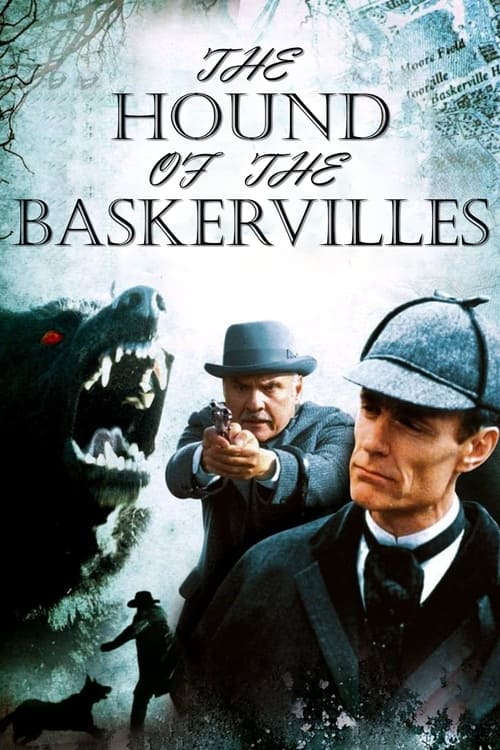




What is the ending?
In the ending of the 2002 film "The Hound of the Baskervilles," Sherlock Holmes and Dr. Watson confront the true villain behind the legend of the hound. They reveal the identity of the murderer, Sir Hugo Baskerville's descendant, who has been using a trained dog to scare people away from the Baskerville estate. The film concludes with the resolution of the mystery, the safety of the Baskerville heir, and the restoration of peace.
As the climax of the film unfolds, the tension escalates in the dark, foreboding moors of Devonshire. Sherlock Holmes, portrayed with a keen intellect and unwavering determination, leads Dr. Watson through the misty landscape, their footsteps echoing against the eerie silence. The atmosphere is thick with suspense, as they approach the Baskerville estate, where the legend of the hound has haunted the family for generations.
Holmes, with his sharp observational skills, pieces together the clues that have eluded others. He deduces that the supernatural elements surrounding the hound are merely a façade for a more human threat. The audience can feel the weight of his resolve as he explains his findings to Watson, who is both anxious and eager to uncover the truth. The bond between the two men is palpable, showcasing their loyalty and friendship as they face danger together.
As they reach the estate, they find the Baskerville heir, Sir Henry, in a state of distress. He has been targeted by the villain, who is revealed to be a distant relative, intent on claiming the Baskerville fortune. The villain's motivations are rooted in greed and a twisted sense of family legacy, which adds a layer of complexity to the narrative. The emotional stakes rise as Sir Henry's life hangs in the balance, and Holmes's determination to protect him becomes even more pronounced.
In a tense confrontation, Holmes and Watson corner the villain in the estate's shadowy corridors. The villain, desperate and cornered, unleashes the hound--a fearsome creature trained to instill terror. The scene is fraught with danger as the hound lunges, but Holmes's quick thinking and strategic planning come to the forefront. He uses a flare to distract the beast, showcasing his resourcefulness and bravery.
The climax reaches its peak as the hound, confused and agitated, turns on its master. In a chaotic struggle, the villain meets his demise, falling victim to his own creation. The emotional release is palpable as the threat is neutralized, and the tension that has built throughout the film dissipates. Sir Henry, shaken but safe, expresses his gratitude to Holmes and Watson, solidifying their roles as protectors of justice.
In the aftermath, the moors return to their tranquil state, symbolizing the restoration of order. Holmes and Watson share a moment of camaraderie, reflecting on the case and the bond they have strengthened through their trials. The film closes with a sense of closure, as the Baskerville estate is freed from its dark legacy, and the characters emerge with a renewed sense of purpose.
In summary, the fates of the main characters are as follows: Sherlock Holmes and Dr. Watson emerge victorious, having solved the mystery and saved Sir Henry Baskerville. Sir Henry, though traumatized, is relieved to be free from the threat of the hound and the villain. The villain, consumed by his own greed and ambition, meets a tragic end, serving as a cautionary tale about the dangers of allowing darkness to fester unchecked. The film concludes with a sense of justice served, leaving the audience with a lingering sense of hope and resolution.
Is there a post-credit scene?
The 2002 adaptation of "The Hound of the Baskervilles" does not include a post-credit scene. The film concludes with the resolution of the central mystery surrounding the Baskerville estate and the legendary hound. After the climax, where Sherlock Holmes and Dr. Watson confront the true villain behind the supernatural occurrences, the story wraps up with a sense of closure, focusing on the characters' reflections and the restoration of peace to the moorland. The absence of a post-credit scene aligns with the film's traditional narrative structure, emphasizing the resolution of the plot rather than setting up future stories or additional content.
What is the significance of the Baskerville family curse in the story?
The Baskerville family curse is central to the plot, as it is believed to be the reason behind the mysterious deaths of the Baskerville heirs. The legend of a supernatural hound that haunts the moors serves to instill fear and suspicion among the characters, particularly Sir Henry Baskerville, who is the latest heir. This curse drives the narrative, as Sherlock Holmes and Dr. Watson seek to uncover the truth behind the legend and protect Sir Henry from the perceived threat.
How does Sherlock Holmes deduce the identity of the villain?
Sherlock Holmes employs his keen powers of observation and logical reasoning to piece together the clues surrounding the case. He examines the footprints found on the moor, analyzes the behavior of the characters involved, and considers the historical context of the Baskerville family. Ultimately, he deduces that the villain is Jack Stapleton, who has been using the legend of the hound to scare Sir Henry and eliminate him as a rival for the Baskerville estate.
What role does Dr. Watson play in the investigation?
Dr. Watson serves as both a companion and a crucial assistant to Sherlock Holmes throughout the investigation. He is tasked with observing Sir Henry Baskerville and gathering information from the moor. Watson's loyalty and dedication to Holmes are evident as he navigates the dangers of the moor, encounters various characters, and ultimately reports back to Holmes with his findings. His emotional investment in the case highlights his bravery and commitment to uncovering the truth.
What is the relationship between Sir Henry Baskerville and the other characters?
Sir Henry Baskerville is portrayed as a brave yet vulnerable character, recently returned from Canada to claim his inheritance. His interactions with Dr. Watson and Sherlock Holmes reveal his initial skepticism about the family curse, but as events unfold, he becomes increasingly fearful for his life. His relationship with Jack Stapleton is particularly tense, as Stapleton pretends to be a friend while secretly plotting against him. This dynamic adds layers of intrigue and danger to the narrative.
How does the setting of the moors contribute to the story's atmosphere?
The moors are depicted as a desolate and foreboding landscape, shrouded in mist and mystery. This setting amplifies the tension and sense of isolation experienced by the characters. The vast, open spaces create an atmosphere of vulnerability, where danger can lurk unseen. The eerie sounds and sights of the moors, including the howling winds and the distant cries of the hound, serve to heighten the suspense and underscore the supernatural elements of the story.
Is this family friendly?
The 2002 adaptation of "The Hound of the Baskervilles" is generally considered suitable for family viewing, but it does contain some elements that may be unsettling for younger audiences or sensitive viewers. Here are a few potentially objectionable or upsetting aspects:
-
Supernatural Themes: The film revolves around a legendary ghostly hound that is said to haunt the Baskerville family, which may be frightening for children.
-
Murder and Violence: There are scenes depicting murder and the aftermath of violent events, which could be disturbing.
-
Tension and Suspense: The film builds a significant amount of suspense, with dark and moody atmospheres that might be intense for younger viewers.
-
Emotional Distress: Characters experience fear, grief, and anxiety, which may resonate strongly with sensitive viewers.
-
Gothic Imagery: The film features eerie landscapes and settings, such as the desolate moors, which contribute to a haunting tone.
While these elements are integral to the story's mystery and atmosphere, they may require parental discretion for younger audiences.









