



Popular
What motivates Romeo to pursue Juliet despite the feud between their families?
How does Juliet react to her family's expectations regarding her marriage?
What role does the Nurse play in Juliet's relationship with Romeo?
What events lead to the tragic deaths of Romeo and Juliet?
How does the feud between the Montagues and Capulets impact the characters' decisions?
Should I watch it?
Ask Your Own Question

What is the plot?
Sorry, we aren't able to watch and write up a full detailed plot yet. Check back in a few days.




What is the ending?
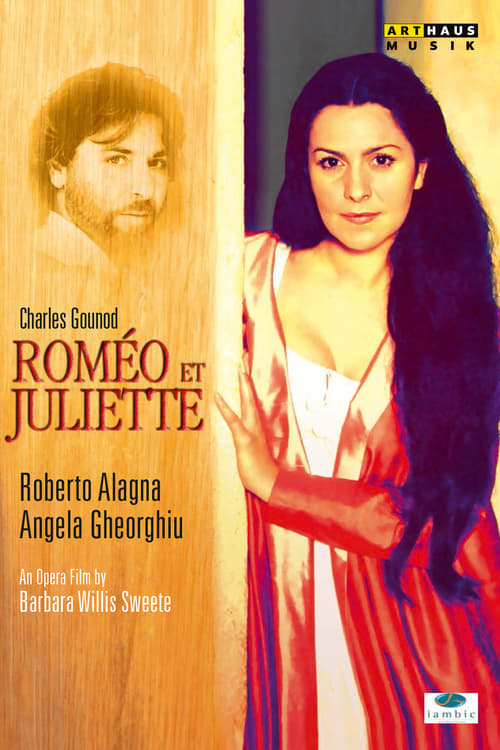
In the ending of the movie "Roméo et Juliette" (2002), after a series of tragic misunderstandings and the escalating conflict between their feuding families, Roméo and Juliette ultimately meet their demise. Believing Juliette to be dead, Roméo takes his own life. When Juliette awakens and finds Roméo dead beside her, she too chooses to end her life. Their deaths finally bring an end to the feud between the Montagues and Capulets.
Now, let's delve into the ending in a more detailed narrative fashion:
As the climax of the story unfolds, we find ourselves in the Capulet tomb, a dark and foreboding place that echoes with the weight of tragedy. The scene is set with flickering candlelight casting shadows on the cold stone walls, creating an atmosphere thick with despair. Roméo, having been misinformed about Juliette's death, arrives at the tomb, his heart heavy with grief. He carries a vial of poison, a symbol of his desperation and love.
Roméo kneels beside Juliette's lifeless body, which lies in a white dress, a stark contrast to the darkness surrounding them. He gazes at her, his face a mask of sorrow and disbelief. In this moment, the audience can feel the depth of his love and the crushing weight of his loss. He speaks tenderly to her, expressing his anguish and longing, before he raises the vial to his lips. With a final, heart-wrenching farewell, he drinks the poison, collapsing beside her, his life extinguished in an instant.
Moments later, Juliette stirs from her death-like slumber, awakening to the sight of Roméo's lifeless body. The shock and horror wash over her as she realizes what has transpired. Her eyes widen in disbelief, and her breath quickens as she reaches out to him, her fingers trembling. The realization that her love has taken his life in despair shatters her heart. In a fit of grief, she takes Roméo's dagger, plunging it into her own chest, choosing to join him in death rather than live in a world without him.
As Juliette falls beside Roméo, the camera captures the tragic beauty of their intertwined bodies, a poignant image of love and loss. The scene is silent except for the soft sound of their breathing, which fades into stillness. The weight of their deaths reverberates through the tomb, a final act of defiance against the hatred that kept them apart.
In the aftermath of this tragedy, the Capulet and Montague families arrive at the tomb, drawn by the commotion. They are met with the devastating sight of their children, lifeless and entwined. The realization of their feud's consequences hits them like a tidal wave. The families, once consumed by hatred, are now united in grief, their animosity rendered meaningless in the face of such loss.
The film closes with a somber reflection on the futility of their conflict. The final shot lingers on the bodies of Roméo and Juliette, a haunting reminder of the love that could not survive in a world filled with hatred. The screen fades to black, leaving the audience to ponder the tragic fate of the star-crossed lovers and the senseless feud that led to their demise.
In summary, Roméo and Juliette's tragic ending serves as a powerful commentary on the destructive nature of familial conflict and the profound impact of love, ultimately leading to a moment of unity born from shared sorrow.
Is there a post-credit scene?
The movie "Roméo et Juliette," produced in 2002, does not have a post-credit scene. The film concludes with the tragic ending of the two lovers, and the credits roll without any additional scenes or content following them. The focus remains on the emotional weight of the story and the impact of their love and loss, leaving the audience to reflect on the events that have transpired.
What motivates Romeo to pursue Juliet despite the feud between their families?
Romeo is initially infatuated with Rosaline, but upon meeting Juliet at the Capulet ball, he is struck by her beauty and charm. His motivation shifts from a superficial crush to a deep, passionate love for Juliet, which drives him to defy the longstanding feud between the Montagues and Capulets.
How does Juliet react to her family's expectations regarding her marriage?
Juliet feels trapped by her family's expectations, particularly when her parents arrange for her to marry Paris. She is initially obedient but becomes increasingly desperate to escape this fate, leading her to seek out Romeo and ultimately devise a plan to be with him.
What role does the Nurse play in Juliet's relationship with Romeo?
The Nurse serves as a confidante and messenger for Juliet, helping her navigate her secret relationship with Romeo. Initially supportive, she later advises Juliet to marry Paris, which causes a rift between her and Juliet, highlighting the Nurse's conflicting loyalties.
What events lead to the tragic deaths of Romeo and Juliet?
The tragic deaths are precipitated by a series of misunderstandings and miscommunications. After Romeo kills Tybalt in a duel, he is banished from Verona. Juliet, in despair, takes a potion to feign death, but the message fails to reach Romeo. Believing Juliet is truly dead, he takes his own life, and upon awakening to find him dead, Juliet follows suit.
How does the feud between the Montagues and Capulets impact the characters' decisions?
The feud creates a backdrop of tension and conflict that influences every decision the characters make. Romeo and Juliet's love is forbidden, leading them to act in secrecy and desperation. The animosity between their families ultimately leads to tragic consequences, as their love cannot exist in a world dominated by hatred.
Is this family friendly?
The 2002 film "Roméo et Juliette" is a musical adaptation of Shakespeare's classic tragedy, and while it features beautiful music and vibrant choreography, it does contain several elements that may be considered objectionable or upsetting for children or sensitive viewers.
-
Violence: The film includes scenes of conflict between the Montague and Capulet families, which may involve physical altercations and sword fights. The intensity of these confrontations can be distressing.
-
Death: The story revolves around themes of love and tragedy, leading to the deaths of key characters. The portrayal of these moments can be emotionally heavy and may be upsetting for younger audiences.
-
Romantic Themes: The film explores intense romantic relationships, including passionate scenes that may not be suitable for all children. The portrayal of love and desire is central to the narrative.
-
Family Feud: The ongoing feud between the two families is a significant aspect of the story, showcasing themes of hatred and conflict that may be difficult for younger viewers to understand.
-
Emotional Turmoil: Characters experience deep emotional pain, including heartbreak and despair, which can evoke strong feelings and may be challenging for sensitive viewers.
Overall, while the film is visually stunning and musically engaging, its themes of violence, death, and intense emotional experiences may not be appropriate for all audiences, particularly children.