





Popular
What motivates the main character, a boxer, to return to the ring after his initial retirement?
How does the relationship between Kim and his coach evolve throughout the film?
What role does Kim's family play in his journey as a boxer?
What challenges does Kim face in his personal life that affect his boxing career?
How does the film depict the physical and emotional toll of boxing on Kim?
Should I watch it?
Ask Your Own Question

What is the plot?
Sorry, we aren't able to watch and write up a full detailed plot yet. Check back in a few days.









What is the ending?
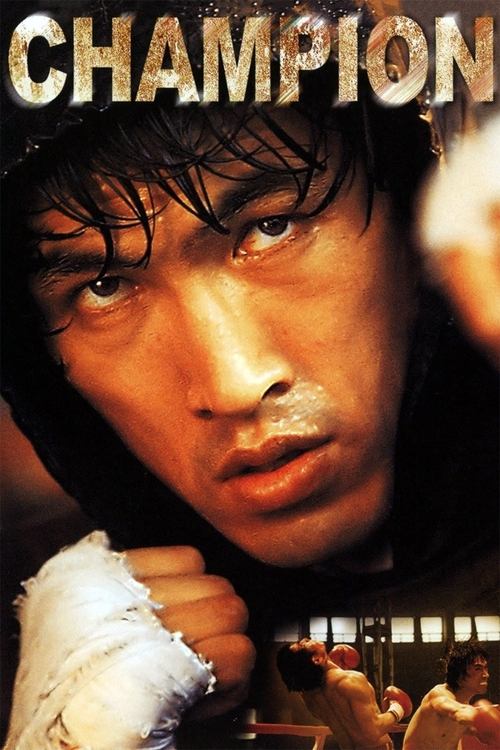
In the ending of the movie "Champion," the protagonist, a boxer named Kim, faces his final match against a formidable opponent. Despite the intense struggle and the emotional weight of his journey, Kim ultimately loses the fight. However, he finds a sense of closure and acceptance, realizing that his true victory lies in his personal growth and the relationships he has built along the way. The film concludes with Kim reflecting on his life, surrounded by those who care for him, suggesting a hopeful future despite the loss.
As the final act of "Champion" unfolds, the atmosphere is charged with anticipation. The scene opens in the dimly lit locker room of the boxing arena, where Kim prepares for his last fight. The air is thick with tension, and the sounds of the crowd echo faintly outside. Kim, clad in his boxing gear, stares into the mirror, his expression a mix of determination and vulnerability. He recalls the sacrifices he has made, the struggles he has faced, and the relationships that have shaped him, particularly with his coach and his family.
As he steps into the ring, the bright lights and roaring crowd engulf him. His opponent, a seasoned and intimidating fighter, stands across from him, exuding confidence. The bell rings, and the match begins. Each round is a brutal exchange of blows, showcasing Kim's resilience and skill. The camera captures the sweat glistening on his brow, the intensity in his eyes, and the pain etched on his face as he endures the punishment.
Throughout the fight, flashbacks intersperse the action, revealing pivotal moments from Kim's past--his early days in boxing, the support from his coach, and the love from his family. These memories fuel his determination, but as the rounds progress, it becomes clear that he is outmatched. The audience can feel the weight of his struggle, not just against his opponent, but against his own limitations.
In the final round, Kim pushes himself to the limit, throwing everything he has left into the fight. The crowd is on its feet, cheering him on, but the toll of the match is evident. With each punch, he falters, yet he refuses to give up. The climax builds as he lands a few significant hits, igniting hope in the hearts of his supporters. However, his opponent retaliates with a powerful combination, sending Kim to the canvas.
As he lies on the mat, the referee begins the count. In this moment of vulnerability, Kim reflects on his journey, the sacrifices made, and the love he has received. The count reaches ten, and the fight is over. Kim's loss is palpable, but as he rises, there is a sense of acceptance in his demeanor. He acknowledges the cheers from the crowd, not as a defeated fighter, but as a man who has fought valiantly.
The scene shifts to the aftermath of the fight. Kim, now back in the locker room, is surrounded by his coach and family. Their expressions are a mix of pride and concern, but they embrace him, reinforcing the bonds that have been forged through his journey. Kim smiles, a bittersweet expression on his face, as he realizes that his true victory lies not in the championship title, but in the love and support of those around him.
The film concludes with Kim stepping out of the arena, the bright lights fading behind him. He walks into the night, a sense of hope and renewal in his stride. The final shot lingers on his face, capturing the complexity of his emotions--loss, acceptance, and the promise of a new beginning. Each character, from his coach to his family, stands as a testament to the journey they have shared, highlighting the film's core message about resilience, love, and the true meaning of victory.
Is there a post-credit scene?
The movie "Champion," produced in 2002, does not have a post-credit scene. The film concludes its narrative without any additional scenes or content after the credits roll. The story wraps up with a focus on the main character's journey and the resolution of the central conflicts, leaving no further developments or surprises for the audience after the credits.
What motivates the main character, a boxer, to return to the ring after his initial retirement?
The main character, a boxer named Kim, is driven by a deep desire to prove himself and reclaim his lost glory. His internal struggle is fueled by the pressure of his family's expectations and the need to overcome his past failures. The emotional weight of his previous losses and the longing for redemption push him to step back into the ring.
How does the relationship between Kim and his coach evolve throughout the film?
Initially, Kim's relationship with his coach is strained, marked by tension and differing philosophies on training and fighting. As the story progresses, they begin to understand each other's motivations and fears, leading to a deeper bond. The coach becomes a father figure, guiding Kim not just in boxing but in life, helping him confront his insecurities.
What role does Kim's family play in his journey as a boxer?
Kim's family serves as both a source of motivation and conflict. His father's expectations weigh heavily on him, creating a sense of obligation to succeed. The family's struggles and sacrifices highlight the stakes of Kim's boxing career, as he fights not only for himself but also to uplift his family's status and fulfill their dreams.
What challenges does Kim face in his personal life that affect his boxing career?
Kim grapples with personal demons, including self-doubt and the fear of failure. His relationships, particularly with his girlfriend, are strained due to his obsession with boxing. The pressure to succeed leads to moments of isolation, where he must confront his inner turmoil, ultimately impacting his performance in the ring.
How does the film depict the physical and emotional toll of boxing on Kim?
The film vividly portrays the grueling training sessions and intense matches that take a physical toll on Kim's body, showcasing the bruises and injuries he endures. Emotionally, the weight of each fight is palpable, as Kim experiences moments of vulnerability, fear, and determination. The juxtaposition of his physical pain with his emotional struggles creates a compelling narrative of resilience.
Is this family friendly?
The movie "Champion," produced in 2002, contains several elements that may not be suitable for children or sensitive viewers. Here are some potentially objectionable or upsetting aspects:
-
Violence and Fighting: The film revolves around the world of boxing, which includes scenes of physical violence, intense fights, and the emotional toll that such confrontations take on the characters.
-
Emotional Turmoil: Characters experience significant emotional struggles, including themes of loss, betrayal, and personal failure, which may be distressing for younger audiences.
-
Substance Abuse: There are references to alcohol and possibly drug use, which could be concerning for sensitive viewers.
-
Family Conflict: The film explores complex family dynamics, including tension and conflict that may be difficult for children to understand or process.
-
Themes of Redemption and Struggle: The overarching themes of redemption and the personal struggles of the characters may be heavy and emotionally charged, potentially leading to discomfort.
These elements contribute to a narrative that, while compelling, may not be appropriate for all viewers, particularly younger children or those who are sensitive to such themes.







