
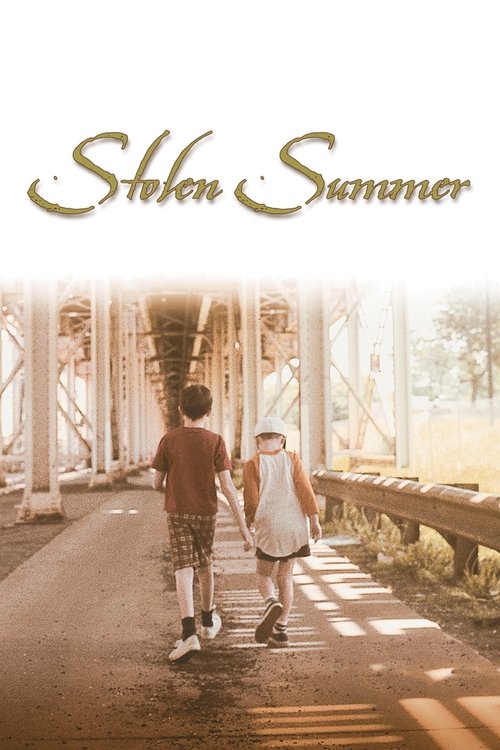











Popular
What is the significance of the friendship between Pete and Danny in Stolen Summer?
How does Pete's family react to Danny's illness?
What role does the character of Father O'Leary play in the story?
How does the setting of Chicago influence the story of Stolen Summer?
What is the impact of Danny's illness on his family dynamics?
Should I watch it?
Ask Your Own Question

What is the plot?
Sorry, we aren't able to watch and write up a full detailed plot yet. Check back in a few days.








What is the ending?
In the ending of "Stolen Summer," the story culminates with the realization of the deep bond formed between the two boys, Pete and Danny, despite their differing backgrounds and beliefs. The film concludes with a poignant moment that emphasizes the themes of friendship, faith, and the innocence of childhood.
As the film progresses towards its conclusion, we see Pete, a young boy from a Catholic family, grappling with his faith and the idea of God. He has been on a mission to save Danny, a Jewish boy who is gravely ill, by trying to convince him to believe in God. The climax of their friendship unfolds as they confront the reality of Danny's illness and the uncertainty of life.
In the final scenes, Pete and Danny share a heartfelt moment at the hospital. They reflect on their experiences together, the adventures they had, and the lessons they learned. The emotional weight of their friendship is palpable as they face the possibility of separation due to Danny's condition. Pete's determination to help Danny find faith is met with Danny's acceptance of his own beliefs, showcasing their mutual respect and understanding.
The film closes with a sense of hope and the enduring nature of their bond, even in the face of adversity. The audience is left with the image of their friendship as a testament to the innocence of childhood and the power of connection, regardless of religious differences.
Now, let's delve into the ending in a more detailed, chronological narrative.
As the story nears its conclusion, we find Pete and Danny in the hospital, where Danny is undergoing treatment for his leukemia. The atmosphere is heavy with tension and uncertainty, as the reality of Danny's illness weighs on both boys. Pete, who has been fervently trying to convince Danny to believe in God, is now faced with the stark truth of his friend's condition.
In a quiet hospital room, the two boys sit side by side, the sterile environment contrasting sharply with the vibrant adventures they shared earlier in the film. Pete, filled with a mix of desperation and hope, looks at Danny, who is pale and frail but still possesses a spark of his usual spirit. Pete's internal struggle is evident; he wants to save Danny not just physically but spiritually, believing that faith could be the key to healing.
Danny, on the other hand, is more resigned to his fate. He has always been confident in his Jewish beliefs, and as he faces the possibility of death, he expresses a sense of peace with his faith. This moment is pivotal, as it highlights the differences in their backgrounds and beliefs, yet it also showcases the deep bond they have formed.
As they talk, Pete shares his fears and hopes, revealing his vulnerability. He admits that he is scared of losing Danny, and this admission brings them closer. Danny reassures Pete, telling him that their friendship is what truly matters, regardless of their differing beliefs. This exchange is filled with raw emotion, as both boys grapple with the reality of their situation.
The scene shifts to a montage of their memories together, showcasing the joy and laughter they shared during their summer adventures. These flashbacks serve as a stark contrast to the somber hospital setting, emphasizing the innocence of childhood and the fleeting nature of life.
In the final moments, Pete makes one last attempt to convince Danny to pray with him, hoping that it might bring him comfort. Danny, with a gentle smile, declines but expresses gratitude for Pete's friendship. They share a heartfelt embrace, a moment that encapsulates their journey together.
As the film draws to a close, we see Pete walking out of the hospital, his face a mixture of sadness and hope. He understands that while he may not have been able to change Danny's beliefs, their friendship transcends those differences. The camera lingers on Pete's face, capturing the complexity of his emotions as he reflects on the summer that changed both of their lives.
The final shot leaves the audience with a sense of bittersweet resolution, as the bond between Pete and Danny remains unbroken, a testament to the power of friendship in the face of life's challenges. The film ends, leaving viewers to ponder the impact of their relationship and the lessons learned about faith, love, and acceptance.
Is there a post-credit scene?
The movie "Stolen Summer," produced in 2002, does not have a post-credit scene. The film concludes its narrative without any additional scenes or content after the credits roll. The story wraps up with the emotional arcs of the characters being resolved, particularly focusing on the themes of friendship, faith, and the innocence of childhood. The ending leaves viewers with a sense of closure regarding the journey of the main characters, particularly the young boys, as they navigate their experiences and relationships throughout the film.
What is the significance of the friendship between Pete and Danny in Stolen Summer?
The friendship between Pete and Danny serves as the emotional core of 'Stolen Summer.' Pete, a young boy from a Catholic family, is deeply affected by the news of Danny's illness. Their bond highlights themes of innocence, loyalty, and the struggle to understand life and death. As they navigate their friendship, Pete's motivations shift from simply wanting to help Danny to grappling with his own fears and beliefs about faith and mortality.
How does Pete's family react to Danny's illness?
Pete's family, particularly his father, struggles with the reality of Danny's illness. His father, a devout Catholic, often expresses frustration and confusion about faith, which creates tension within the family. This dynamic showcases the differing ways individuals cope with grief and the impact of faith on their lives. Pete's mother, on the other hand, tries to maintain a sense of normalcy, emphasizing the importance of compassion and support.
What role does the character of Father O'Leary play in the story?
Father O'Leary serves as a guiding figure for Pete throughout the film. He represents the complexities of faith and the challenges of understanding God's will. As Pete grapples with his questions about life, death, and the nature of miracles, Father O'Leary provides wisdom and comfort, encouraging Pete to explore his beliefs while also addressing the harsh realities of life. His character embodies the struggle between hope and despair.
How does the setting of Chicago influence the story of Stolen Summer?
The setting of Chicago in the summer plays a crucial role in 'Stolen Summer.' The vibrant city backdrop contrasts with the heavy themes of illness and mortality. The summer atmosphere symbolizes a time of innocence and exploration for Pete and Danny, allowing them to create lasting memories despite the looming shadow of Danny's illness. The urban landscape also reflects the diverse cultural and religious backgrounds of the characters, enriching the narrative.
What is the impact of Danny's illness on his family dynamics?
Danny's illness profoundly affects his family dynamics, particularly between his parents. His mother is depicted as nurturing and protective, often overwhelmed by the emotional weight of her son's condition. In contrast, Danny's father struggles with feelings of helplessness and frustration, leading to tension and conflict within the household. This strain highlights the challenges families face when dealing with a child's serious illness, showcasing their varying coping mechanisms and emotional responses.
Is this family friendly?
"Stolen Summer," produced in 2002, is a heartfelt coming-of-age film that explores themes of friendship, faith, and the challenges of childhood. While it is generally family-friendly, there are a few potentially objectionable or upsetting aspects that may affect children or sensitive viewers:
-
Illness and Mortality: The film deals with serious themes surrounding illness, particularly the character of a young boy who is facing a life-threatening condition. This can evoke strong emotions and may be distressing for younger viewers.
-
Religious Themes: The story involves discussions about faith and the differences between Catholicism and Judaism, which may lead to some complex conversations about belief systems that could be challenging for younger audiences to fully grasp.
-
Family Dynamics: There are moments of tension within families, including misunderstandings and emotional struggles, which may resonate with some viewers but could be upsetting for others who are sensitive to familial conflict.
-
Loss and Grief: The film touches on the concepts of loss and the impact it has on relationships, which can be heavy themes for children to process.
Overall, while "Stolen Summer" is a poignant film with valuable lessons, parents may want to consider these elements when deciding if it is suitable for their children.







