

















































































Popular
What role does the city of Los Angeles play in the narrative of Los Angeles Plays Itself?
How does the film address the concept of Hollywood's impact on the perception of Los Angeles?
What specific films are referenced in Los Angeles Plays Itself to illustrate its points?
How does the film portray the relationship between Los Angeles and its residents?
What is the significance of the film's title, Los Angeles Plays Itself?
Should I watch it?
Ask Your Own Question

What is the plot?
Sorry, we aren't able to watch and write up a full detailed plot yet. Check back in a few days.
More Movies Like This
Browse All Movies →







What is the ending?
In the ending of "Los Angeles Plays Itself," the film culminates in a reflection on the relationship between Los Angeles and its portrayal in cinema. The narrative emphasizes the disconnect between the real city and its fictional representations, leaving viewers with a sense of contemplation about the nature of identity and place.
As the film progresses towards its conclusion, it weaves together various clips from films that depict Los Angeles, showcasing the city's multifaceted identity. The final scenes juxtapose the idealized versions of the city with the stark realities of its streets, neighborhoods, and the lives of its inhabitants. The film ends on a note of ambiguity, inviting the audience to consider the implications of how Los Angeles is represented in film and how that shapes public perception.
In a more detailed narrative, the ending unfolds as follows:
The film's final act begins with a montage of iconic scenes from various movies set in Los Angeles, each clip revealing a different aspect of the city. The viewer is taken on a visual journey through the sun-soaked streets, the glamorous Hollywood sign, and the gritty underbelly of urban life. The juxtaposition of these images serves to highlight the contradictions inherent in the city's portrayal.
As the montage progresses, the voiceover reflects on the nature of Los Angeles as a character in its own right, shaped by the narratives constructed around it. The film emphasizes how these cinematic representations often overshadow the real experiences of the people who live there. The voiceover becomes increasingly introspective, questioning the authenticity of the images presented and the stories told.
In the final scenes, the film shifts to a more somber tone, focusing on the lives of everyday Angelenos. The camera captures moments of solitude, struggle, and resilience, contrasting sharply with the glamorous depictions seen earlier. The emotional weight of these scenes resonates deeply, as the audience is reminded of the human stories that often go untold in favor of more sensational narratives.
As the credits begin to roll, the film leaves viewers with lingering questions about identity, representation, and the impact of cinema on real life. The fate of the characters, while not explicitly defined, is implied through the emotional resonance of the final images. The audience is left to ponder the complexities of Los Angeles, both as a city and as a cinematic construct, ultimately recognizing that the true essence of the place cannot be fully captured by the lens of a camera.
In this way, "Los Angeles Plays Itself" concludes not with a traditional resolution, but with an invitation to reflect on the intricate relationship between reality and representation, leaving a lasting impression on the viewer's understanding of the city and its portrayal in film.
Is there a post-credit scene?
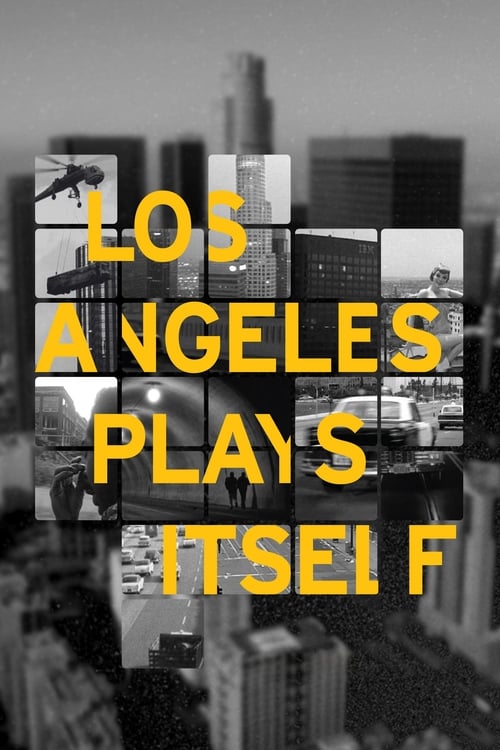
"Los Angeles Plays Itself," directed by Thom Andersen, does not have a post-credit scene. The film is a documentary that explores the representation of Los Angeles in cinema, using a rich tapestry of film clips and Andersen's narration to delve into the city's identity as portrayed through various movies. The focus remains on the analysis of how the city is depicted rather than on a narrative that would typically include a post-credit scene. The film concludes with its final thoughts on the relationship between Los Angeles and its cinematic portrayals, leaving viewers to reflect on the themes presented throughout the documentary.
What role does the city of Los Angeles play in the narrative of Los Angeles Plays Itself?
In 'Los Angeles Plays Itself', the city of Los Angeles is not just a backdrop but a character in its own right. The film explores how the city is portrayed in various films, revealing the contrast between the real Los Angeles and its cinematic representation. Through a series of clips and commentary, the film examines the city's architecture, culture, and social dynamics, highlighting how these elements shape the identity of both the city and its inhabitants.
How does the film address the concept of Hollywood's impact on the perception of Los Angeles?
The film delves into Hollywood's influence by showcasing how the film industry has crafted a specific image of Los Angeles that often diverges from reality. It juxtaposes scenes from classic and contemporary films with real-life footage, illustrating the discrepancies between the glamorous, often idealized portrayals of the city and the more complex, sometimes gritty reality experienced by its residents.
What specific films are referenced in Los Angeles Plays Itself to illustrate its points?
Throughout 'Los Angeles Plays Itself', numerous films are referenced, including 'Chinatown', 'Blade Runner', and 'The Terminator'. Each of these films is used to highlight different aspects of Los Angeles, such as its history, urban landscape, and the socio-political issues that permeate the city. The film analyzes how these movies contribute to the mythos of Los Angeles while also critiquing their narratives.
How does the film portray the relationship between Los Angeles and its residents?
The film portrays a complex relationship between Los Angeles and its residents, emphasizing themes of alienation and disconnection. Through interviews and film clips, it reveals how the city's portrayal in cinema often overlooks the voices and experiences of its diverse population, leading to a sense of estrangement among those who live there. This dynamic is explored through personal anecdotes and reflections on the impact of cinematic representations.
What is the significance of the film's title, Los Angeles Plays Itself?
The title 'Los Angeles Plays Itself' signifies the duality of the city as both a real place and a fictional construct. It suggests that Los Angeles is performing a role shaped by the narratives created by filmmakers. The film critiques this performance, questioning who gets to tell the story of Los Angeles and how those stories influence public perception and identity.
Is this family friendly?
"Los Angeles Plays Itself," directed by Thom Andersen, is a documentary that explores the representation of Los Angeles in film. While it is not a traditional narrative film, it does contain elements that may not be suitable for all audiences, particularly children or sensitive viewers.
-
Violence and Crime: The film discusses and shows clips from various movies that depict violence, crime, and the darker aspects of urban life in Los Angeles. Some scenes may include graphic depictions of violence or crime-related themes.
-
Substance Abuse: There are references to drug use and addiction, which are portrayed in the context of certain films that depict the struggles of characters in Los Angeles.
-
Sexual Content: The documentary includes clips from films that may feature sexual situations or themes that could be considered inappropriate for younger viewers.
-
Social Issues: The film addresses complex social issues such as racism, poverty, and homelessness, which may be distressing or difficult for children to understand.
-
Cynical Tone: The overall tone of the documentary can be quite critical and cynical regarding Hollywood and its portrayal of Los Angeles, which may not resonate well with younger audiences.
Due to these elements, "Los Angeles Plays Itself" may not be considered family-friendly and could be upsetting for children or sensitive individuals.