


































Popular
What is the significance of Cole Porter's relationship with Linda Lee Porter in the film?
How does the film portray Cole Porter's struggles with his sexuality?
What role does music play in the development of Cole Porter's character?
How does the film depict the impact of Cole Porter's fame on his personal relationships?
What is the significance of the flashback structure in the storytelling of 'De-Lovely'?
Should I watch it?
Ask Your Own Question

What is the plot?
Sorry, we aren't able to watch and write up a full detailed plot yet. Check back in a few days.









What is the ending?
In the ending of "De-Lovely," Cole Porter reflects on his life and the love he shared with his wife, Linda. As he faces his mortality, he performs a final song, "So in Love," which encapsulates his feelings for her. The film concludes with a poignant montage of their life together, showcasing their enduring bond despite the challenges they faced.
As the final act of "De-Lovely" unfolds, we find Cole Porter, portrayed by Kevin Kline, in a hospital room, grappling with the reality of his declining health. The atmosphere is heavy with the weight of his memories, and he is visited by his wife, Linda, played by Ashley Judd. Their relationship, marked by both love and complexity, is at the forefront of this emotional climax.
Scene by scene, the narrative begins with Cole reflecting on his life, surrounded by the echoes of his past. He recalls the vibrant moments of his career, the glamorous parties, and the music that defined his legacy. Yet, it is the memory of Linda that resonates most deeply within him. As he reminisces, the film intercuts between his hospital room and flashbacks of their life together, illustrating the profound connection they shared.
In a particularly poignant moment, Cole begins to sing "So in Love," a song that encapsulates the essence of their relationship. The performance is both a celebration and a farewell, as he pours his heart into the lyrics, expressing the depth of his feelings for Linda. The camera captures the raw emotion on his face, revealing his vulnerability and the love that has sustained him through the years.
As the song progresses, the montage of their life together unfolds. We see scenes of their early romance, the joy of their marriage, and the struggles they faced, including Cole's infidelities and the societal pressures of their time. Each moment is infused with a sense of nostalgia, highlighting the beauty and pain of their journey.
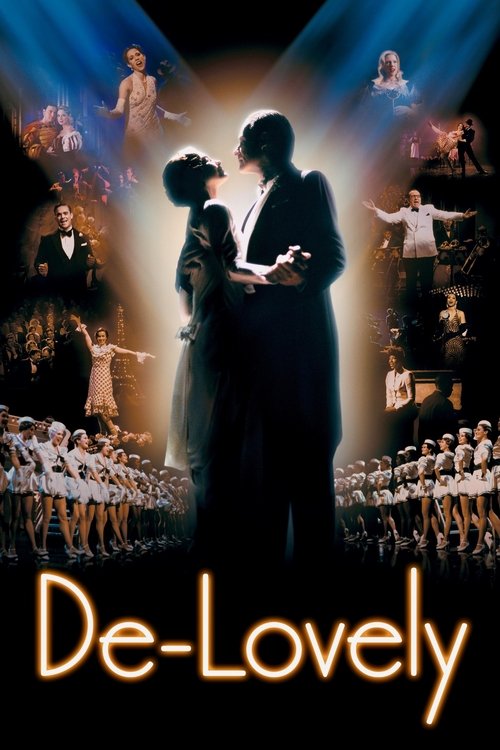
The film culminates in a powerful visual representation of their love, as the montage transitions to a serene and ethereal setting. Cole and Linda are shown dancing together, free from the constraints of their earthly struggles. This imagery symbolizes their eternal bond, suggesting that love transcends even the boundaries of life and death.
In the final moments, as Cole finishes his song, he looks at Linda with a mixture of gratitude and sorrow. He acknowledges the impact she has had on his life, and in that moment, it is clear that their love has been the cornerstone of his existence. The film closes with a sense of peace, as Cole Porter embraces his legacy, knowing that his music and the love he shared with Linda will endure.
Ultimately, the fate of Cole Porter is one of acceptance and reflection. He faces his mortality with grace, finding solace in the memories of his life and the love that defined it. Linda, too, is portrayed as a figure of strength and resilience, having navigated the complexities of their relationship with unwavering devotion. Their story concludes not with despair, but with a celebration of love that remains timeless, echoing through the music that Cole created.
Is there a post-credit scene?
The movie "De-Lovely," produced in 2004, does not have a post-credit scene. The film concludes with a poignant final performance of Cole Porter's music, reflecting on his life and legacy. The narrative wraps up with a sense of closure, focusing on the themes of love, loss, and the enduring power of music, leaving no additional scenes or content after the credits.
What is the significance of Cole Porter's relationship with Linda Lee Porter in the film?
Cole Porter's relationship with Linda Lee Porter is central to the narrative of 'De-Lovely.' Their bond is depicted as a deep and complex partnership that transcends traditional romantic boundaries. Linda is portrayed as Cole's muse and unwavering supporter, despite the challenges posed by Cole's homosexuality. The film illustrates how their love is both passionate and fraught with tension, particularly as Cole navigates his identity and infidelities. Linda's emotional resilience and her commitment to Cole's career highlight the sacrifices she makes for their relationship, ultimately showcasing the depth of their connection.
How does the film portray Cole Porter's struggles with his sexuality?
The film 'De-Lovely' candidly explores Cole Porter's struggles with his sexuality through various scenes that depict his internal conflict and societal pressures. As he navigates his relationships with men, particularly with his lover, the film illustrates the tension between his public persona as a celebrated composer and his private life. Cole's interactions with men are often charged with emotion, revealing his longing for acceptance and love while grappling with the fear of societal rejection. This duality is a recurring theme, emphasizing the complexity of his character and the era's attitudes towards homosexuality.
What role does music play in the development of Cole Porter's character?
Music is a vital element in 'De-Lovely,' serving as both a narrative device and a reflection of Cole Porter's character. Each musical number is intricately woven into the storyline, showcasing Cole's creative genius and emotional state. The songs often express his innermost feelings, desires, and struggles, allowing the audience to connect with his character on a deeper level. For instance, the upbeat and glamorous performances contrast with the underlying sadness of his personal life, illustrating how music becomes an outlet for his emotions and a means of coping with his challenges.
How does the film depict the impact of Cole Porter's fame on his personal relationships?
In 'De-Lovely,' Cole Porter's fame significantly impacts his personal relationships, particularly with Linda and his friends. The film portrays the glamorous yet isolating nature of celebrity, showing how Cole's success creates a rift between him and those he loves. As he becomes more famous, the pressures of public life and the expectations that come with it strain his relationship with Linda, who often feels overshadowed by his career. The film captures moments of tension and longing, illustrating how Cole's pursuit of artistic excellence often comes at the cost of his personal happiness and connections.
What is the significance of the flashback structure in the storytelling of 'De-Lovely'?
The flashback structure in 'De-Lovely' serves to juxtapose Cole Porter's past and present, allowing the audience to witness the evolution of his character and relationships over time. This narrative technique creates a sense of nostalgia and reflection, as Cole, portrayed by Kevin Kline, looks back on his life while being guided by the spirit of Linda, played by Ashley Judd. The use of flashbacks emphasizes key moments in their relationship, highlighting both the joy and sorrow they experienced together. This structure also enhances the emotional depth of the story, as it reveals how Cole's experiences shaped his music and personal identity.
Is this family friendly?
"De-Lovely," produced in 2004, is a biographical musical film that explores the life of composer Cole Porter. While it features beautiful music and a rich narrative, it contains several elements that may not be suitable for children or sensitive viewers.
-
Adult Themes: The film delves into complex themes of love, infidelity, and the struggles of a same-sex relationship, which may be difficult for younger audiences to understand.
-
Sexual Content: There are scenes that depict sexual relationships, including infidelity and same-sex encounters, which may be considered inappropriate for children.
-
Substance Use: The film portrays characters using alcohol and engaging in a lifestyle that includes partying and excess, which could be concerning for younger viewers.
-
Emotional Turmoil: The narrative includes moments of deep emotional pain, such as heartbreak and loss, which may be upsetting for sensitive individuals.
-
Depictions of Illness: The film addresses themes of illness and mortality, particularly in relation to the characters' struggles, which could be distressing.
Overall, while "De-Lovely" is a celebration of music and artistry, its mature themes and content may not be suitable for a family-friendly viewing experience.









