






















Popular
What motivates Paul and Jessie to consider cloning their deceased son?
How does the cloning process affect the relationship between Paul and Jessie?
What are the significant changes in the clone Adam compared to the original Adam?
What role does Dr. Richard Wells play in the story, and what are his motivations?
How does the clone Adam's behavior escalate throughout the film?
Should I watch it?
Ask Your Own Question

What is the plot?
Sorry, we aren't able to watch and write up a full detailed plot yet. Check back in a few days.







What is the ending?
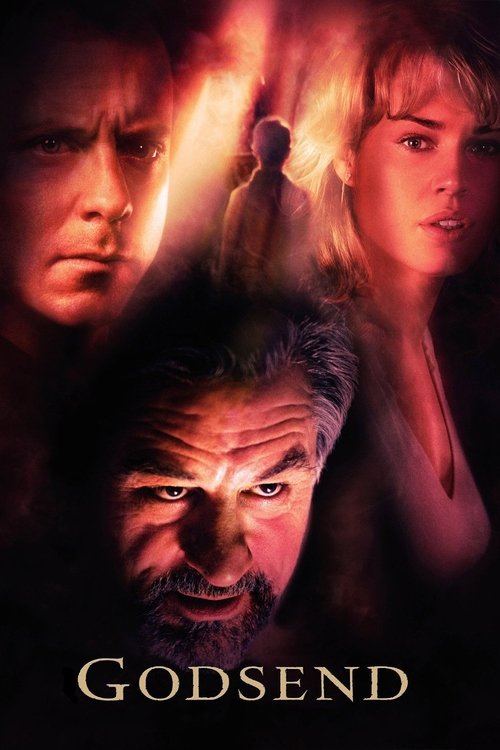
In the ending of "Godsend," the story culminates in a tragic confrontation that reveals the consequences of playing God. Paul and Jessie, the parents of the cloned child Adam, face the horrifying reality of their choices. As the film concludes, Paul is left grappling with the loss of his family and the moral implications of their actions, while Jessie is consumed by the trauma of their decisions. The film ends on a somber note, emphasizing the emotional toll of their quest to bring back their deceased son.
As the film approaches its climax, the tension escalates in the lives of Paul and Jessie, who have been living with the consequences of their decision to clone their deceased son, Adam. The couple, initially filled with hope and excitement, now finds themselves haunted by the implications of their actions.
In the first scene of the ending, Paul is seen in a state of turmoil, grappling with the reality that Adam, the clone, is not the same as their original son. The emotional weight of their loss is palpable as Paul reflects on the moments they shared with their first child. He is tormented by the memories of Adam's laughter and innocence, which starkly contrast with the increasingly erratic behavior of the clone.
Jessie, on the other hand, is depicted as being deeply affected by the psychological strain of their situation. She is often seen in a daze, struggling to connect with Adam, who exhibits unsettling traits that remind her of the original Adam but also reveal a darker side. The couple's relationship is strained, filled with unspoken fears and doubts about the morality of their decision.
As the story unfolds, the couple learns that the cloning process has unforeseen consequences. Adam begins to exhibit violent tendencies, which escalate into a series of alarming incidents. In a pivotal scene, Paul confronts Dr. Richard Wells, the scientist behind the cloning project, demanding answers about the nature of Adam's behavior. Wells, who initially seemed like a beacon of hope, is revealed to be morally ambiguous, driven by his own ambitions rather than the well-being of the family.
The climax reaches its peak when Paul and Jessie are forced to confront the reality of their creation. In a heart-wrenching scene, they realize that Adam is not just a clone but a being with his own identity, one that is influenced by the trauma of his origins. The emotional confrontation between Paul and Adam is intense, filled with a mix of love, fear, and regret. Paul attempts to reach out to Adam, hoping to salvage the bond they once had, but the clone's violent outbursts make it clear that their relationship is irrevocably altered.
In the final moments of the film, the situation spirals out of control. Paul, desperate to protect his family, is faced with an impossible choice. The emotional turmoil culminates in a tragic confrontation that leads to devastating consequences. Jessie, overwhelmed by the horror of their situation, is left in a state of despair, while Paul is left to grapple with the loss of both his son and the family he once knew.
The film concludes with Paul standing alone, reflecting on the choices that led them to this point. The weight of his decisions hangs heavy in the air, leaving him to ponder the moral implications of their actions. The final scene captures the somber reality of their situation, emphasizing the emotional toll of their quest to bring back their son and the haunting reminder that some things are beyond human control.
In the end, Paul is left to navigate a world without his family, burdened by the knowledge that their desire to play God has led to irreversible consequences. Jessie, consumed by grief and trauma, is unable to find solace, leaving both characters in a state of profound loss and regret. The film closes on a haunting note, underscoring the emotional and moral complexities of their journey.
Is there a post-credit scene?
The movie "Godsend," produced in 2004, does not have a post-credit scene. The film concludes with its final moments, leaving the audience with the resolution of the main plot without any additional scenes or content after the credits roll. The story wraps up with the implications of the characters' choices and the moral dilemmas they face, particularly surrounding the themes of life, death, and the consequences of playing God.
What motivates Paul and Jessie to consider cloning their deceased son?
Paul and Jessie are driven by their overwhelming grief and desperation after the tragic death of their son, Adam. They feel a profound sense of loss and are unable to cope with the void left in their lives. Their desire to have Adam back, to experience his laughter and presence once more, leads them to explore the controversial option of cloning as a means to resurrect their child.
How does the cloning process affect the relationship between Paul and Jessie?
As the cloning process unfolds, the strain on Paul and Jessie's relationship becomes increasingly evident. Initially united in their grief and hope, they begin to experience tension and conflict as they grapple with the ethical implications of their decision. Jessie becomes more emotionally attached to the clone, who they name Adam, while Paul grows increasingly uneasy about the consequences of their actions, leading to a rift between them.
What are the significant changes in the clone Adam compared to the original Adam?
The clone Adam exhibits several significant differences from the original Adam. While he shares the same physical appearance and some memories, he begins to display unsettling behaviors and traits that are not characteristic of the original child. As he grows, he shows signs of being more intelligent and emotionally complex, which raises concerns for Paul and Jessie about the nature of his existence and the potential for darker tendencies.
What role does Dr. Richard Wells play in the story, and what are his motivations?
Dr. Richard Wells is the scientist who facilitates the cloning of Adam. His motivations are initially rooted in scientific ambition and the desire to push the boundaries of genetic research. However, as the story progresses, it becomes clear that he has a more personal interest in the project, driven by his own past experiences and a desire to prove the viability of his controversial methods, regardless of the ethical implications.
How does the clone Adam's behavior escalate throughout the film?
As the film progresses, the clone Adam's behavior escalates from innocent childhood curiosity to increasingly disturbing actions. He begins to exhibit violent tendencies and displays a lack of empathy, which alarms Paul and Jessie. His behavior becomes more erratic, culminating in moments of aggression that mirror the tragic fate of the original Adam, leading to a chilling realization for Paul and Jessie about the consequences of their decision to clone.
Is this family friendly?
"Godsend," produced in 2004, is not considered family-friendly due to its themes and content. Here are some potentially objectionable or upsetting aspects that may affect children or sensitive viewers:
-
Death and Grief: The film deals heavily with the death of a child, which is a central theme and can be emotionally distressing.
-
Moral and Ethical Dilemmas: The story explores complex moral questions surrounding cloning and the implications of playing God, which may be difficult for younger audiences to understand.
-
Intense Emotional Scenes: Characters experience profound grief, guilt, and desperation, leading to intense emotional moments that may be upsetting.
-
Violence and Threats: There are scenes that involve threats and a sense of danger, which may be frightening for younger viewers.
-
Supernatural Elements: The film includes themes of resurrection and the supernatural, which may be unsettling for some.
-
Parental Strain: The relationship between the parents becomes strained under the weight of their loss and the decisions they make, showcasing emotional turmoil that may be heavy for younger audiences.
Overall, the film's exploration of dark themes and emotional distress makes it more suitable for mature viewers.







