





















Popular
What are the main character's motivations throughout the film?
How does Leo's relationship with his family evolve during the film?
What role does the character of the mentor play in Leo's journey?
What specific challenges does Leo face in his pursuit of music?
How does the visual representation of music impact Leo's character development?
Should I watch it?
Ask Your Own Question

What is the plot?
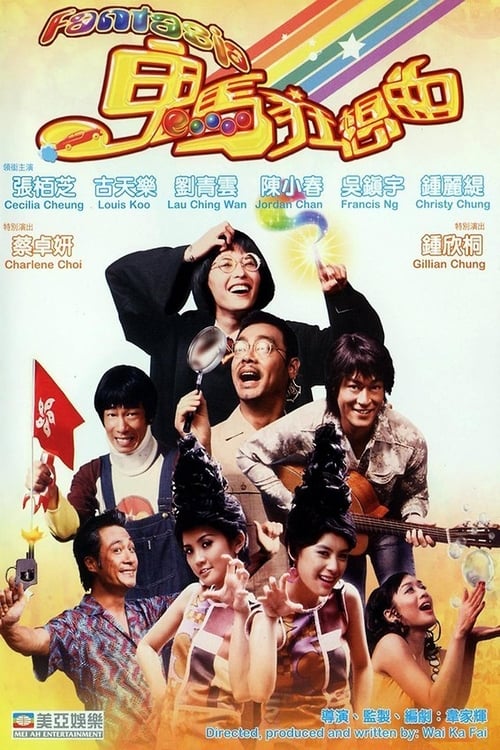
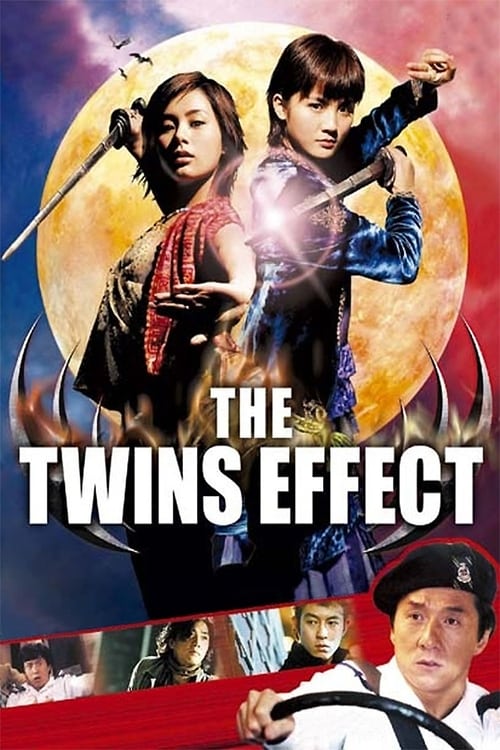
In the bustling streets of 1969 Hong Kong, private detective agency director Man--known to his underlings as "The Director" and played with miserly glee by Sean Lau--huddles in a cramped car with his two hapless employees, Sam (the slick, charming Louis Koo) and Fugu (the bumbling, ever-oppressed Jordan Chan). They tail a cheating husband through the neon-lit night, engines roaring as they swerve wildly to keep up. Tension builds as the pursuit careens out of control, smashing straight into the front of a dusty antique shop. Glass shatters, porcelain shatters, and wooden shelves collapse in a deafening cascade of debris. The trio stumbles out, coughing amid the wreckage, their faces smeared with dust and regret.
Man's eyes narrow with greedy fury as he surveys the damage--priceless vases reduced to shards, antique scrolls trampled underfoot. "You idiots! This is coming out of your pay!" he snarls, his voice a whip-crack of authority, forcing Sam and Fugu to foot the bill for every broken curio. Sam, ever the smooth operator, shifts the blame with a sly grin: "It was Fugu's fault--he was driving!" Fugu protests weakly, his round face flushing, but digs through the pile anyway, unearthing a tarnished magic lamp half-buried in splinters. He rubs it eagerly, whispering childish fantasies of genies and riches, but it refuses to light, cold and inert. Just then, his aunt calls on the agency's crackling phone line, her voice frantic: Fugu's cousin, Jane Lam (the brilliant Christy Chung), a Stanford University student in Aerospace Technology, has snapped from over-studying and vanished without a trace. Fugu begs Man for leave to search for her, but the boss waves him off dismissively.
Back at the private detective agency--a cluttered hub of filing cabinets, flickering desk lamps, and half-eaten takeout boxes--the trio inspects the lamp. Man and Sam poke at it skeptically; it stays dark. With a scoff, Man hurls it out the window, where it clatters onto the street below. The room falls silent, the air thick with the scent of stale cigarettes and unspoken resentments. But as the lamp hits the pavement, a swirl of iridescent smoke erupts, coiling upward like a living serpent. It bursts through the window in a flash of emerald light, coalescing into a wild-eyed young woman in tattered robes: Harmy Bobo (Cecilia Cheung, her wide eyes and messy hair a blatant parody of Harry Potter). She hovers mid-air for a heartbeat, then lands with a theatrical flourish, her voice booming: "I am Harmy Bobo, sorceress of the ancient lamp! Grant me three wishes--one from each of you--and I return to my world!".
Confusion erupts. Man and Sam stare, then burst into laughter, mistaking her for Fugu's missing cousin Jane Lam. "Fugu, your cousin's lost it--dressed like a wizard from those funny books!" Sam chuckles, while Man grabs her arm. "Jane, snap out of it! No time for games--we've got bills to pay." Bobo fumes, waving her wand desperately. "I'm not Jane! I'm a genie--watch!" She mutters a spell, but it fizzles, turning a potted plant into a wilted weed. The trio scoffs, dismissing her as a nutcase, and shoves her into a corner with the debris. Yet Bobo, undeterred, lurks in the shadows of the agency, her eyes gleaming with mischievous intent. She whispers incantations under her breath, determined to prove her power--and secretly aid these fools despite their doubt.
Days blur into a frenzy of investigations at the agency. Fugu frets over Jane Lam, pacing the creaky floors while Sam flirts with clients over the phone, and Man counts every penny from minor cases. Bobo's presence injects chaos: objects levitate briefly then crash, coffee turns to sludge. Subtly, her magic begins to work--Sam's casual wish for "a big case" lands them a lucrative gig protecting the antique shop's remaining curios from robbers. That hectic evening, as shadows lengthen over Hong Kong's humid streets, the trio foils a burglary in a whirlwind of slaps, pratfalls, and improvised weapons. They return triumphant but laden with more broken antiques, piecing them together in the agency's dim light. Fugu, still clutching the lamp's memory, rubs a shard wistfully--only for Bobo to reappear, more insistent: "Make your wishes, mortals! I must go home!" But Fugu is out on a lead for Jane, leaving Man and Sam to mock her anew.
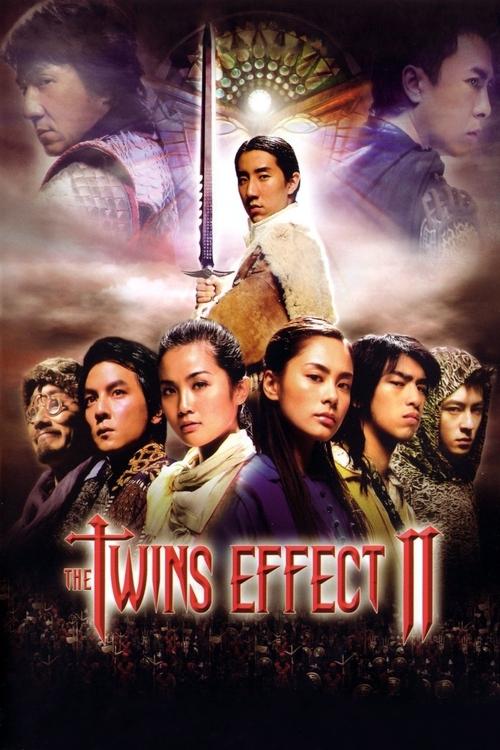
As Bobo's "loyal Chopstick Sisters"--her cousins, the pop idol duo Charlene Choi and Gillian Chung, with their synchronized moves and twin-like mischief--enter the fray, the story spirals into absurdity. Unbeknownst to Bobo, the Sisters have fallen into the clutches of gang boss Kin (the menacing Francis Ng, strutting like a triad kingpin parodying classic villains). Kin has taken them as goddaughters, parading them around his shadowy mahjong dens as lucky charms. Tension simmers as Bobo sneaks spells to help the detectives, but her bungled magic sows disaster. Man's greed leads him to a high-stakes mahjong parlor, its air thick with smoke and menace, where he sits down against Kin himself. Tiles clack rhythmically, bets escalate, and Man cheats shamelessly--palming tiles, signaling Sam from the shadows. Victory seems assured, the pot swelling with cash that could cover the antique damages and more.
But Bobo, hiding in the parlor's rafters, casts a "luck spell" to boost Man. It backfires spectacularly: tiles glow, then rearrange themselves, exposing Man's hidden hand in a burst of sparkles. "Cheater!" Kin roars, his face twisting in rage, goddaughters Charlene and Gillian gasping at his side. The parlor erupts--chairs fly, fists swing in a chaotic brawl. Man scrambles out, Sam dragging Fugu into the fray, while Bobo's spell turns a thug's mahjong set into squawking chickens, adding feathered pandemonium. No blood spills, but the rivalry ignites: Kin vows revenge, his eyes burning with triad fury. "You'll pay for this humiliation, Director Man!" he bellows, as the detectives flee into the night, hearts pounding, the weight of gang wrath pressing down.
Momentum builds as Bobo's twisted wishes propel the trio deeper into misadventure. Sam wishes aloud for "the girl of my dreams," and suddenly, a glamorous client appears--only for her to be Kin's spy, seducing secrets from the agency. Fugu wishes to find Jane Lam, and clues lead to Stanford-esque visions, but they manifest as hallucinatory chases through Hong Kong's markets, where overworked students morph into rampaging dinosaurs--a nod to Jurassic Park parody, with Bobo's spells summoning scaly illusions that trample fruit stalls. Man wishes for riches, and gold rains briefly from the agency ceiling, only to turn to counterfeit bills, drawing cops and more of Kin's goons. Each boon curdles into curse: the detectives' lives unravel in a cascade of slapstick disasters--car chases through alleyways, agency floods from "wealth fountains," and Bobo's wand misfiring into fireworks that singe Fugu's hair.
Emotional undercurrents deepen amid the farce. Fugu bonds with Bobo, confiding his fears for Jane during quiet agency nights, her wild energy softening his oppression. "You're not mad like they say--you're magic," he whispers, as she demonstrates a tiny, working spell: a flower blooming in his palm. Sam's charm cracks, revealing loneliness beneath his smirks, while Man's miserliness masks a desperate need for respect, eroded by each failed wish. Bobo reveals fragments of her world--a fantastical realm of spells and sisters--yearning to return, her cousins' peril with Kin twisting her loyalty. Revelations pile up: the Chopstick Sisters aren't captives but gleeful accomplices, teaching Kin synchronized triad dances; Jane Lam's "madness" was a cover for her own secret invention, a mini-rocket hidden in Hong Kong, tying into Fugu's family legacy.
Confrontations escalate toward climax. Kin storms the antique shop, demanding restitution for the mahjong slight, his goddaughters flanking him with chopstick weapons--literal twin sticks twirling lethally. The detectives arrive, Bobo in tow, sparking a massive showdown amid shattered relics. Man faces Kin mano-a-mano, trading barbs: "Your luck ran out, cheater!" Kin growls, lunging with a vase shard. Sam duels the Sisters in a balletic fight, dodging synchronized kicks while quipping, "Ladies, there's enough charm for both!" Fugu and Bobo team up, her spells now half-working--summoning illusory Harry Potter owls that peck at goons, Jurassic beasts that stomp illusions of Kin's men. Tension peaks as Bobo's magic surges uncontrollably: the parlor floods with glowing tiles, Kin's lair shakes with phantom earthquakes. No one dies--the comedy reins in lethality--but bruises mount, alliances fracture. Kin corners Man, fist raised: "This ends now!" Yet Bobo's ultimate spell backfires grandly, shrinking Kin temporarily to doll-size, his goddaughters giggling as they pocket him like a toy.
In the eye of the chaos, major twists cascade. Bobo confesses she's no mere genie but a bungled apprentice from a parallel fantasy Hong Kong, exiled for botched spells--her "world" a mirror of 1969 reality warped by magic. The Chopstick Sisters betray Kin for Bobo, revealing they engineered the antique crash to reunite the family. Jane Lam bursts in--not mad, but transformed by her aerospace tech into a rocket-riding vigilante, her "over-studying" a ploy to build anti-gang gadgets. She's Fugu's cousin indeed, and her invention--a wish-amplifying device--syncs with the lamp, supercharging Bobo's power. Man and Sam finally believe, their skepticism shattered as wishes align true: riches flow legitimately, Sam wins his dream girl (a non-spy version), Fugu embraces family.
Climax erupts at the mahjong parlor under midnight moon, Kin restored and furious, leading a full triad assault. Spells clash with fists--Bobo summons a whirlwind of tiles that pummel goons, Jane's rocket blasts hoverboards for aerial dogfights, the Sisters perform a chopstick whirlwind dismantling enemies non-lethally. Man confronts Kin on the rooftop, winds howling: "Your greed ends here!" Man shouts, dodging a final swing. Bobo channels all wishes into one grand incantation: "Return and redeem!" Reality warps--Kin's empire crumbles into cartoon dust, his arrogance humbled as he's comically launched into a fountain below. The gang scatters, laughing despite defeat. No deaths mar the farce; confrontations end in absurd surrender, Kin slinking away with a sheepish grin, goddaughters waving goodbye.
Resolution dawns with cathartic warmth. Back at the agency, dawn light filters through repaired windows. Bobo bids farewell, her cousins reunited, the lamp glowing one last time. "My wishes granted--yours too," she smiles, vanishing in smoke as Jane portals to Stanford with her rocket. Man shares the legitimate riches, promoting Sam and Fugu as equals: "No more blame--partners now." Fugu hugs his cousin's photo, whole at last. Sam woos his girl with genuine charm. The trio toasts amid confetti spells, the agency alive with laughter. Kin, reformed in a twist, sends a truce gift--a fixed antique lamp (non-magical). Hong Kong's streets hum on, the detectives wiser, their misadventures forging unbreakable bonds. Fade out on Man rubbing a new lamp playfully--nothing happens, but they grin, content in reality's magic.
(Word count: 3472)



What is the ending?
The ending of "Fantasia" (2004) sees the characters facing the consequences of their actions, leading to a resolution that emphasizes themes of growth and understanding. The main characters, including the young boy and his friends, come to terms with their experiences, ultimately finding a sense of closure and acceptance.
As the film progresses towards its conclusion, the narrative unfolds in a series of poignant scenes.
The climax occurs when the young boy, who has been struggling with feelings of inadequacy and the pressure to conform, finds himself at a pivotal moment. He stands at the edge of a vast, colorful landscape that symbolizes his inner turmoil and the choices he must make. The vibrant colors swirl around him, reflecting his emotional state as he grapples with his identity and the expectations placed upon him by his peers and family.
In a moment of introspection, he recalls the adventures he has shared with his friends, each memory a vivid flash of joy and conflict. The scenes shift rapidly, showcasing the highs and lows of their friendship, the laughter, the arguments, and the moments of support. This montage serves to highlight the bond they share, despite the challenges they face.
As the boy takes a deep breath, he steps forward into the unknown, symbolizing his acceptance of himself and his journey. The landscape transforms around him, shifting from chaotic colors to a serene, harmonious palette that represents his newfound clarity. His friends, who have been watching from a distance, begin to approach him, their expressions a mix of concern and hope.
In the final scenes, the group comes together, each character reflecting on their individual journeys. The girl who had been a source of conflict with the boy expresses her understanding, acknowledging the importance of embracing differences. The other friends, who had initially been caught up in the drama, now stand united, ready to support one another.
The film concludes with a sweeping shot of the group, now a cohesive unit, walking together towards a bright horizon. The music swells, underscoring the emotional weight of their journey. Each character has grown, having learned valuable lessons about friendship, acceptance, and the importance of being true to oneself.
As the screen fades to black, the audience is left with a sense of hope and the understanding that while challenges may arise, the bonds of friendship can help navigate even the most turbulent of times. The fate of the main characters is one of growth and unity, as they step into the future together, ready to face whatever comes next.
Is there a post-credit scene?
The movie "Fantasia" produced in 2004 does not have a post-credit scene. The film concludes with its final segment, and there are no additional scenes or content presented after the credits roll. The focus remains on the animated segments paired with classical music, celebrating the artistry of animation and the power of music without any additional narrative or scenes following the main feature.
What are the main character's motivations throughout the film?
In 'Fantasia' (2004), the main character, a young boy named Leo, is driven by his desire to explore the world of music and art. He feels a deep connection to the melodies and rhythms that surround him, which fuels his imagination and creativity. Leo's journey is marked by his quest for self-discovery and understanding of how music can express emotions and tell stories.
How does Leo's relationship with his family evolve during the film?
Throughout 'Fantasia,' Leo's relationship with his family, particularly with his father, is strained due to differing views on pursuing art versus a more traditional career path. Initially, Leo feels misunderstood and unsupported, leading to feelings of isolation. However, as the story progresses, moments of vulnerability and shared experiences allow for reconciliation, showcasing the importance of family support in pursuing one's passions.
What role does the character of the mentor play in Leo's journey?
The mentor character in 'Fantasia' serves as a guiding force for Leo, helping him navigate the complexities of his artistic aspirations. This character embodies wisdom and experience, providing Leo with valuable lessons about perseverance, the importance of practice, and the emotional depth of music. Their interactions are pivotal, as they challenge Leo to confront his fears and embrace his creative identity.
What specific challenges does Leo face in his pursuit of music?
Leo encounters several challenges in 'Fantasia,' including self-doubt, external criticism, and the pressure to conform to societal expectations. He struggles with the fear of failure, which manifests in moments of anxiety and frustration. Additionally, Leo faces obstacles such as limited resources and the need to balance his passion for music with familial obligations, all of which test his resolve and commitment to his artistic journey.
How does the visual representation of music impact Leo's character development?
In 'Fantasia,' the visual representation of music plays a crucial role in Leo's character development. As he experiences various musical pieces, the vibrant animations and imaginative landscapes reflect his emotional state and inner turmoil. These visual elements inspire Leo, allowing him to see the beauty and potential of his own creativity. The interplay between music and visuals helps him to articulate his feelings and ultimately leads to a deeper understanding of himself as an artist.
Is this family friendly?
"Fantasia" (2004) is a family-friendly film that combines animation with classical music, creating a visually stunning experience. However, there are a few scenes that might be considered potentially objectionable or upsetting for children or sensitive viewers:
-
Dark Imagery: Some segments feature darker themes and imagery, such as the "Night on Bald Mountain" sequence, which includes depictions of demons and a looming sense of dread that may be frightening for younger viewers.
-
Mild Frightening Scenes: The transformation of the mountain and the appearance of Chernabog, a large demon, can be intense and may evoke fear due to the dramatic music and visuals.
-
Nature's Fury: In the "Rite of Spring" segment, there are scenes depicting the extinction of dinosaurs, which may be unsettling for some children, as it portrays the harsh realities of nature.
-
Emotional Undertones: Certain segments convey themes of loss and struggle, which might resonate deeply and evoke sadness, particularly in the context of the life cycle and the passage of time.
Overall, while "Fantasia" is designed to be an artistic and imaginative experience, parents may want to consider these elements when deciding if it is suitable for their children.









