









Popular
How does the film depict the theme of sacrifice through its characters?
What motivates the character of the female warrior, So-ha, throughout the film?
How does the relationship between So-ha and the prince develop during the film?
What role does the antagonist, the ruthless general, play in the conflict of the story?
What are the key challenges So-ha faces in her quest to protect the prince?
Should I watch it?
Ask Your Own Question

What is the plot?
Sorry, we aren't able to watch and write up a full detailed plot yet. Check back in a few days.




What is the ending?
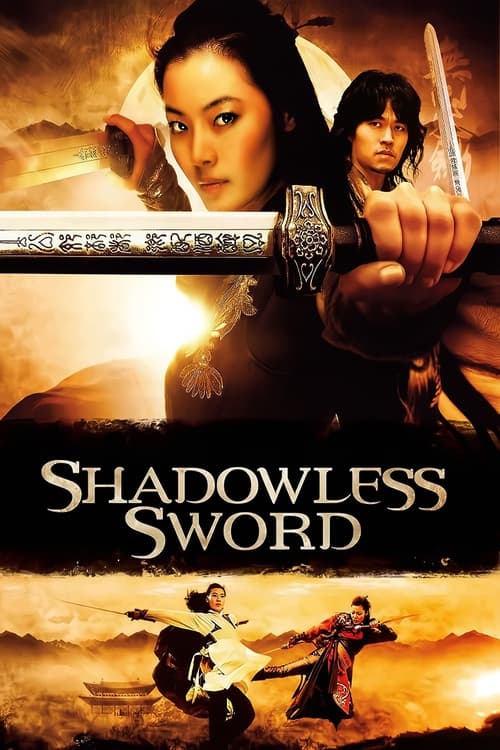
In the ending of "Shadowless Sword," the protagonist, the female warrior So-ha, confronts the antagonist, the ruthless general, in a climactic battle. After a fierce fight, she ultimately defeats him, but at a great personal cost. The film concludes with So-ha reflecting on her journey and the sacrifices made, as she walks away from the battlefield, embodying the weight of her choices.
As the final act unfolds, the tension escalates. So-ha, having been on a quest to protect the last surviving member of the royal family, finds herself in a desolate landscape, the remnants of a once-thriving kingdom now reduced to ruins. The air is thick with the scent of blood and the echoes of past battles. She is weary but resolute, her heart heavy with the burden of her mission.
Scene by scene, the climax begins with So-ha standing at the edge of a cliff, overlooking the battlefield where the final confrontation is about to take place. The sun sets behind her, casting long shadows that mirror her internal struggle. She steels herself, recalling the faces of those she has lost along the way, each memory fueling her determination.
As she descends into the valley, the atmosphere shifts. The ground is littered with the remnants of war, and the cries of the wounded fill the air. So-ha's heart races as she approaches the enemy camp, where the general, a figure of tyranny and malice, awaits her. He stands tall, clad in dark armor, his presence exuding a sense of dread. The tension is palpable as they lock eyes, each aware that this battle will determine the fate of the kingdom.
The fight begins with a flurry of movement. So-ha, agile and fierce, wields her sword with precision, her every strike fueled by the memories of her fallen comrades. The general counters with brute strength, his attacks powerful and relentless. The choreography of their duel is a dance of life and death, each blow resonating with the weight of their respective causes. So-ha fights not just for survival but for justice, her spirit unyielding despite the odds stacked against her.
As the battle rages on, So-ha begins to falter, her energy waning. The general taunts her, reminding her of the futility of her quest. But in a moment of clarity, she recalls the teachings of her mentor, the sacrifices made by those who believed in her cause. This memory ignites a fire within her, and she finds a second wind. With renewed vigor, she launches a final, desperate assault, her movements a blur as she channels all her strength into one decisive strike.
In a climactic moment, So-ha lands a fatal blow on the general, his expression shifting from arrogance to shock as he realizes his defeat. He collapses to the ground, the life draining from him as he gasps for breath. So-ha stands over him, her sword poised, but instead of delivering a final strike, she hesitates. The weight of her actions hangs heavy in the air, and she chooses to spare him, a testament to her belief in redemption, even for those who have committed grave sins.
As the dust settles, So-ha walks away from the battlefield, her heart heavy with the knowledge of what she has done and what she has lost. The camera lingers on her silhouette against the backdrop of the setting sun, symbolizing both an end and a new beginning. The kingdom may be free from tyranny, but the scars of war remain, etched into her soul.
In the aftermath, the fate of the main characters is revealed. So-ha, though victorious, is left to grapple with the emotional toll of her journey. The last surviving member of the royal family, whom she fought to protect, is safe but forever changed by the violence that surrounded them. The general, now defeated, lies in the dust, a reminder of the consequences of ambition and power. The film closes on a poignant note, emphasizing the themes of sacrifice, the complexity of justice, and the enduring impact of choices made in the heat of battle.
Is there a post-credit scene?
The movie "Shadowless Sword," produced in 2005, does not have a post-credit scene. The film concludes its narrative without any additional scenes or content after the credits roll. The story wraps up with the resolution of the main conflict, focusing on the characters' fates and the emotional weight of their journeys, leaving no further scenes to explore after the credits.
How does the film depict the theme of sacrifice through its characters?
Sacrifice is depicted through the choices made by So-ha and the prince, as both characters are willing to risk their lives for the greater good. So-ha's willingness to put herself in danger to protect the prince highlights her selflessness, while the prince's journey reveals his struggle to balance personal desires with the responsibilities of leadership.
What motivates the character of the female warrior, So-ha, throughout the film?
So-ha is driven by a deep sense of loyalty and duty to her people, particularly in her quest to protect the last heir of the fallen kingdom. Her emotional state is complex, as she grapples with her feelings of love and sacrifice, especially when faced with the harsh realities of her mission.
How does the relationship between So-ha and the prince develop during the film?
The relationship between So-ha and the prince evolves from one of initial distrust to a deep bond forged through shared struggles. As they face numerous challenges together, their mutual respect grows, leading to moments of vulnerability where they reveal their hopes and fears, ultimately culminating in a romantic connection.
What role does the antagonist, the ruthless general, play in the conflict of the story?
The ruthless general serves as the primary antagonist, embodying the oppressive forces that threaten the prince and So-ha. His relentless pursuit of power and willingness to betray his own allies create a palpable tension, driving the narrative forward as he seeks to eliminate any threats to his ambitions.
What are the key challenges So-ha faces in her quest to protect the prince?
So-ha faces numerous challenges, including physical confrontations with skilled assassins, navigating treacherous political landscapes, and overcoming her own doubts about her abilities. Each challenge tests her resolve and commitment to her mission, forcing her to confront her fears and grow stronger.
Is this family friendly?
"Shadowless Sword," produced in 2005, is a martial arts film that contains several elements that may not be suitable for children or sensitive viewers. Here are some potentially objectionable aspects:
-
Violence and Combat: The film features numerous fight scenes that include swordplay and hand-to-hand combat. These sequences can be intense and graphic, showcasing injuries and bloodshed.
-
Death and Betrayal: Themes of betrayal and the consequences of violence are prevalent, with characters facing life-and-death situations. The emotional weight of these moments may be distressing.
-
Dark Themes: The narrative explores themes of loyalty, sacrifice, and revenge, which can be heavy and complex for younger audiences to fully grasp.
-
Mature Emotional Content: Characters experience significant emotional turmoil, including loss and grief, which may be upsetting for sensitive viewers.
-
Cultural Context: The film's historical and cultural references may be challenging for younger viewers to understand, potentially leading to confusion about the motivations and actions of characters.
Overall, while "Shadowless Sword" is a visually striking film with impressive choreography, its mature themes and violent content may not be appropriate for all audiences, particularly children.






