






























Popular
What role does the setting play in the development of the story?
What is the significance of Sunwoo's relationship with Hee-soo?
How does Sunwoo's loyalty to his boss affect his decisions throughout the film?
How does the film portray the theme of betrayal?
What is the significance of the final confrontation between Sunwoo and Mr. Kim?
Should I watch it?
Ask Your Own Question

What is the plot?
Sorry, we aren't able to watch and write up a full detailed plot yet. Check back in a few days.






What is the ending?
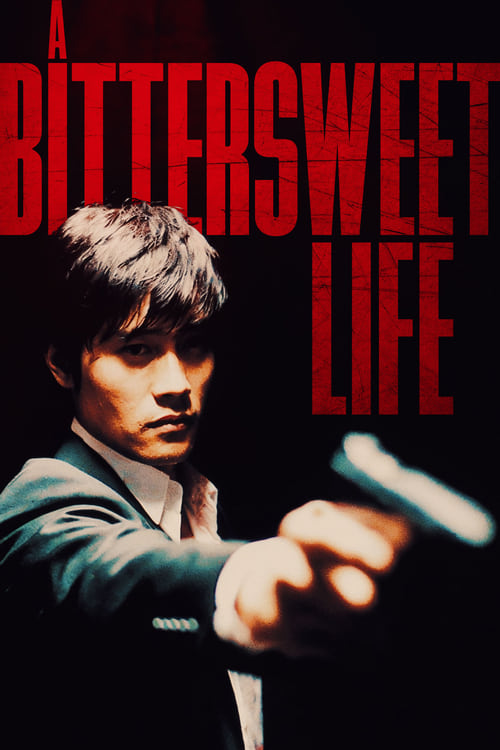
In the ending of "A Bittersweet Life," Sun-woo, the protagonist, confronts the consequences of his choices. After a brutal showdown with his enemies, he is gravely injured. Despite his wounds, he manages to confront his boss, Mr. Kim, who has betrayed him. The film concludes with Sun-woo lying in a deserted area, reflecting on his life, and ultimately succumbing to his injuries.
Now, let's delve into the ending in a more detailed narrative fashion:
As the film approaches its climax, Sun-woo, a loyal enforcer for a powerful crime boss, finds himself in a precarious situation. After discovering that his boss, Mr. Kim, has been unfaithful to him and has betrayed his trust, Sun-woo is filled with a mix of anger and sorrow. He has already been severely wounded in a previous confrontation, but his resolve remains unbroken.
In a dimly lit warehouse, Sun-woo prepares for the inevitable confrontation with Mr. Kim and his men. The atmosphere is thick with tension, and the air is heavy with the scent of gunpowder and betrayal. Sun-woo, despite his injuries, is determined to face his fate head-on. He knows that he has crossed a line that cannot be uncrossed, and he is ready to accept the consequences of his actions.
The scene shifts to a confrontation between Sun-woo and Mr. Kim. The two men stand face to face, the weight of their shared history hanging heavily in the air. Sun-woo's eyes are filled with a mix of defiance and resignation. He confronts Mr. Kim about the betrayal, and the conversation is charged with unspoken emotions. Mr. Kim, cold and calculating, dismisses Sun-woo's loyalty, revealing the depths of his treachery.
As the tension escalates, a violent showdown erupts. Sun-woo, despite his injuries, fights fiercely against Mr. Kim's men. The choreography of the fight is brutal and raw, showcasing Sun-woo's desperation and determination. He moves with a sense of purpose, each blow a reflection of his inner turmoil. The warehouse becomes a battleground, echoing with the sounds of gunfire and the cries of the wounded.
In the chaos, Sun-woo manages to take down several of Mr. Kim's men, but he is ultimately outnumbered. As the fight reaches its climax, he is shot multiple times, and the pain is evident on his face. He collapses to the ground, blood pooling around him, a stark contrast to the cold concrete beneath.
In his final moments, Sun-woo finds himself in a deserted area, lying on the ground, the world around him fading. The camera lingers on his face, capturing the mix of pain and acceptance. He reflects on his life, the choices he made, and the love he lost. The emotional weight of his journey culminates in this moment of solitude, where he confronts the bittersweet nature of his existence.
As the screen fades to black, the fate of the main characters is sealed. Sun-woo, once a loyal enforcer, succumbs to his injuries, a tragic end to a life filled with conflict and betrayal. Mr. Kim, having orchestrated the downfall of his once-trusted ally, remains in a position of power, but his victory is hollow, marked by the loss of loyalty and trust. The film closes, leaving the audience to ponder the complexities of loyalty, betrayal, and the consequences of a life lived in the shadows.
Is there a post-credit scene?
The movie "A Bittersweet Life," directed by Kim Ji-woon, does not have a post-credit scene. The film concludes with a powerful and emotional climax that leaves a lasting impact on the audience. After the intense final confrontation, the story wraps up without any additional scenes or epilogues during or after the credits. The ending itself is poignant, focusing on the protagonist, Sun-woo, and his fate, which resonates deeply with the themes of loyalty, betrayal, and the bittersweet nature of life. The absence of a post-credit scene emphasizes the finality of Sun-woo's journey and the weight of his choices throughout the film.
What role does the setting play in the development of the story?
The film is set in a stylized, urban landscape that reflects the gritty underworld of organized crime. The stark contrasts between the luxurious environments of the crime bosses and the bleak, shadowy streets where Sunwoo operates enhance the film's tension. Locations such as the opulent hotel and the dimly lit bars serve as backdrops for key confrontations, emphasizing the isolation and danger that Sunwoo faces as he navigates his dual life.
What is the significance of Sunwoo's relationship with Hee-soo?
Sunwoo, played by Lee Byung-hun, is a loyal enforcer for a powerful crime boss, but his relationship with Hee-soo, the boss's mistress, complicates his life. Their bond is marked by a deep emotional connection, which is both tender and fraught with danger. Sunwoo's feelings for Hee-soo drive him to make choices that ultimately lead to his downfall, showcasing the conflict between his duty and his desires.
How does Sunwoo's loyalty to his boss affect his decisions throughout the film?
Sunwoo's unwavering loyalty to his boss, Mr. Kim, is a central theme in the film. Initially, he follows orders without question, but when he discovers the affair between Hee-soo and Mr. Kim, his loyalty is tested. This internal conflict leads him to make pivotal decisions, such as choosing to protect Hee-soo, which sets off a chain of violent events that challenge his identity and moral compass.
How does the film portray the theme of betrayal?
Betrayal is a recurring motif in 'A Bittersweet Life,' particularly through Sunwoo's relationships. His betrayal of Mr. Kim by protecting Hee-soo leads to violent repercussions, while Hee-soo's own betrayal of Sunwoo's trust complicates their relationship. The film meticulously explores the emotional weight of these betrayals, showcasing how they fracture trust and lead to tragic outcomes, ultimately culminating in Sunwoo's tragic fate.
What is the significance of the final confrontation between Sunwoo and Mr. Kim?
The final confrontation between Sunwoo and Mr. Kim is a culmination of the film's tension and character arcs. It represents the ultimate clash between loyalty and betrayal, as Sunwoo faces the man he once served faithfully. This showdown is not just a physical battle but also an emotional reckoning, where Sunwoo confronts the consequences of his choices. The intensity of this scene encapsulates the film's exploration of honor, revenge, and the bittersweet nature of life.
Is this family friendly?
"A Bittersweet Life," produced in 2005, is not considered family-friendly due to its mature themes and graphic content. Here are some potentially objectionable or upsetting aspects that may affect children or sensitive viewers:
-
Violence: The film contains several intense and graphic scenes of violence, including brutal fights and shootings that are depicted in a raw and unflinching manner.
-
Blood and Gore: There are moments with significant bloodshed, which may be disturbing to some viewers.
-
Mature Themes: The narrative explores themes of betrayal, loyalty, and the moral complexities of a life in organized crime, which may be difficult for younger audiences to grasp.
-
Strong Language: The dialogue includes frequent use of strong profanity, which may not be suitable for children.
-
Emotional Turmoil: Characters experience deep emotional pain, betrayal, and existential crises, which could be upsetting for sensitive viewers.
-
Sexual Content: There are scenes that imply sexual relationships and infidelity, which may not be appropriate for younger audiences.
Overall, the film's tone and content are geared towards an adult audience, making it unsuitable for children or those who are sensitive to violence and mature themes.








