











Popular
What role does the antagonist play in the protagonist's journey?
How does the setting influence the characters' decisions and actions?
What internal conflicts does the main character face throughout the film?
What is the significance of the sword in the story?
How does the relationship between the main character and the queen develop throughout the film?
Should I watch it?
Ask Your Own Question

What is the plot?
Sorry, we aren't able to watch and write up a full detailed plot yet. Check back in a few days.





What is the ending?
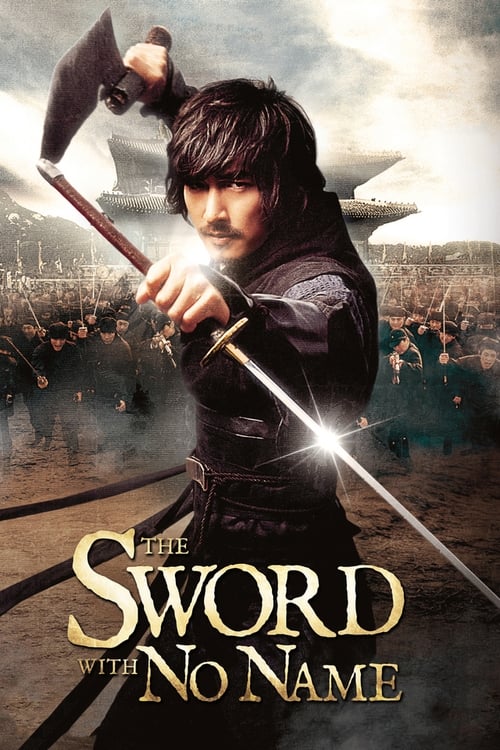
In the ending of "The Sword with No Name," the protagonist, a nameless swordsman, faces a tragic conclusion as he confronts the corrupt forces threatening the kingdom. His love for the queen, who is caught in a web of political intrigue, leads to a heartbreaking sacrifice. The swordsman ultimately dies in battle, leaving the queen to mourn his loss and continue her fight for justice.
As the film approaches its climax, the tension escalates. The swordsman, having fought valiantly for the queen and her kingdom, finds himself in a dire situation. The queen, played by the beautiful and strong-willed character, is surrounded by enemies who seek to exploit her position. The swordsman, driven by his love for her and his desire to protect the realm, prepares for a final confrontation.
In a dimly lit castle, the swordsman stands resolute, his heart pounding with a mix of fear and determination. He knows that the forces aligned against them are powerful, but his loyalty to the queen fuels his courage. As he steps into the fray, the sounds of clashing swords and cries of battle fill the air. The camera captures the intensity of the fight, showcasing the swordsman's skill and agility as he defends the queen against her adversaries.
Meanwhile, the queen, aware of the stakes, rallies her supporters, her eyes filled with a fierce resolve. She understands that her kingdom's future hangs in the balance, and she is determined to reclaim her power. The emotional weight of her situation is palpable; she is torn between her duty as a ruler and her love for the swordsman.
As the battle rages on, the swordsman faces off against the main antagonist, a ruthless warlord who embodies the corruption threatening the kingdom. Their duel is fierce and dramatic, with each strike echoing the stakes of their conflict. The swordsman fights not just for his life, but for the future of the queen and the people he has come to care for.
In a heart-wrenching moment, the swordsman is gravely injured during the fight. As he falls to the ground, the queen rushes to his side, her face a mask of anguish. She cradles him in her arms, tears streaming down her cheeks as she realizes the depth of their love and the tragedy of their circumstances. The swordsman's final words are filled with love and encouragement, urging her to continue the fight for justice and to not let his sacrifice be in vain.
The scene shifts to the aftermath of the battle. The queen, now alone, stands atop the castle walls, looking out over her kingdom. The weight of her loss is heavy, but she is resolute. She vows to honor the swordsman's memory by leading her people with strength and integrity. The film closes with a poignant image of the queen, a symbol of resilience, as she prepares to face the challenges ahead, embodying the spirit of the swordsman who fought for her and their shared dream of a better future.
Is there a post-credit scene?
The movie "The Sword with No Name," produced in 2009, does not feature a post-credit scene. The film concludes its narrative without any additional scenes or content after the credits roll. The story wraps up with the resolution of the main characters' arcs, focusing on themes of love, sacrifice, and the consequences of political turmoil in the historical context of Korea. The absence of a post-credit scene allows the audience to reflect on the emotional journey and the fate of the characters as the credits play.
What role does the antagonist play in the protagonist's journey?
The antagonist, a power-hungry noble, serves as a catalyst for the protagonist's transformation. His ruthless ambition and manipulation force the swordsman to confront his own values and the consequences of his actions, driving him to protect the queen and fight for justice.
How does the setting influence the characters' decisions and actions?
The historical setting of the Joseon Dynasty in Korea profoundly influences the characters' decisions. The political turmoil and societal expectations create a backdrop of tension that compels the swordsman to navigate loyalty, honor, and love, shaping his choices and ultimately his fate.
What internal conflicts does the main character face throughout the film?
The main character grapples with profound internal conflicts, including his desire for vengeance against those who wronged him and his growing affection for the queen. This duality creates a tension between his past as a skilled assassin and his yearning for a peaceful life, driving his character arc.
What is the significance of the sword in the story?
The sword in 'The Sword with No Name' symbolizes the protagonist's internal struggle and his quest for identity. It represents both his martial prowess and the burden of his past, as he grapples with the violent legacy of his family while seeking redemption.
How does the relationship between the main character and the queen develop throughout the film?
The relationship between the main character, a nameless swordsman, and the queen evolves from initial distrust to deep emotional connection. As they face external threats together, their bond strengthens, revealing layers of vulnerability and shared aspirations, ultimately leading to a poignant love story.
Is this family friendly?
"The Sword with No Name" is a historical drama that contains several elements that may not be suitable for children or sensitive viewers. Here are some potentially objectionable or upsetting aspects:
-
Violence: The film features sword fights and battle scenes that include bloodshed and injuries, which may be intense for younger audiences.
-
Death: There are scenes depicting the death of characters, including emotional moments that may be distressing.
-
Romantic Themes: The film explores complex romantic relationships, including themes of love and sacrifice, which may be more suitable for older viewers.
-
Political Intrigue: The story involves themes of betrayal and power struggles, which may be difficult for younger viewers to fully understand.
-
Emotional Turmoil: Characters experience significant emotional pain, loss, and conflict, which could be upsetting for sensitive individuals.
These elements contribute to a more mature narrative that may not be appropriate for all audiences, particularly children.







