
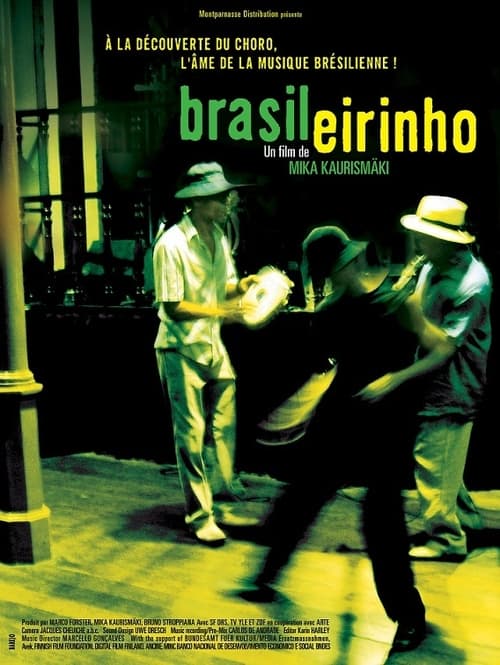






Popular
What role does the character of the musician play in the development of the story?
How does the film portray the relationship between traditional and modern Brazilian music?
What significance does the setting of Rio de Janeiro have in the film?
How do the personal stories of the musicians contribute to the overall narrative?
What challenges do the musicians face in their pursuit of preserving choro music?
Should I watch it?
Ask Your Own Question

What is the plot?
Sorry, we aren't able to watch and write up a full detailed plot yet. Check back in a few days.
More Movies Like This
Browse All Movies →








What is the ending?
In the ending of "Brasileirinho," the film culminates in a vibrant celebration of Brazilian music, particularly focusing on the choro genre. The musicians come together, showcasing their talents and the deep emotional connections they have with their art. The film closes with a sense of unity and joy, emphasizing the importance of cultural heritage and the power of music to bring people together.
As the film approaches its conclusion, the scene shifts to a lively gathering where musicians from various backgrounds unite to celebrate choro music. The atmosphere is electric, filled with laughter, camaraderie, and the sound of instruments blending harmoniously. The camera captures the musicians' faces, revealing their passion and dedication to their craft. Each musician, whether a seasoned performer or a newcomer, contributes to the collective spirit of the event.
The narrative focuses on key figures such as the elder statesmen of choro, who reflect on their journeys and the evolution of the genre. Their stories are interwoven with the performances, showcasing the rich history and emotional weight of the music. As they play, the audience is drawn into the rhythm, feeling the pulse of the music resonate within them.
In a poignant moment, the film highlights the younger generation of musicians who are inspired by their predecessors. They take the stage, infusing the traditional sounds with fresh energy and creativity. This passing of the torch symbolizes hope for the future of choro, as the older musicians watch with pride and encouragement.
As the final notes of the performance echo through the venue, the camera pans over the audience, capturing their joy and appreciation for the music. The scene is filled with smiles, dancing, and a palpable sense of community. The film concludes with a montage of the musicians celebrating together, reinforcing the idea that music transcends boundaries and connects people across generations.
In the end, the main characters, including the elder musicians and the younger performers, find fulfillment in their shared love for choro. They embrace the legacy of their art form, ensuring that it will continue to thrive. The film closes on a high note, leaving viewers with a sense of optimism and the enduring power of music to unite and inspire.
Is there a post-credit scene?
The movie "Brasileirinho," produced in 2005, does not contain a post-credit scene. The film concludes its narrative without any additional scenes or content after the credits roll. The focus remains on the exploration of Brazilian music, particularly the choro genre, and the emotional journeys of the musicians featured throughout the film. The ending emphasizes the cultural significance and the heartfelt connections among the artists, leaving the audience with a sense of appreciation for the music and its impact on Brazilian identity.
What role does the character of the musician play in the development of the story?
The musician serves as a central figure in 'Brasileirinho,' embodying the spirit of Brazilian music and culture. His journey through various performances and interactions with other musicians highlights the emotional depth and passion behind the art form, showcasing the struggles and triumphs of artists in Brazil.
How does the film portray the relationship between traditional and modern Brazilian music?
The film contrasts traditional Brazilian music styles, such as choro, with modern interpretations and influences. Through various performances and interviews, it illustrates how musicians navigate their identities, blending the old with the new, and the emotional connections they maintain with their cultural roots.
What significance does the setting of Rio de Janeiro have in the film?
Rio de Janeiro serves as a vibrant backdrop that enhances the film's exploration of Brazilian music. The city's lively streets, cultural landmarks, and intimate venues create an atmosphere that reflects the energy and diversity of the music scene, influencing the characters' experiences and interactions.
How do the personal stories of the musicians contribute to the overall narrative?
The personal stories of the musicians provide a rich tapestry of experiences that deepen the narrative. Each musician shares their struggles, aspirations, and love for music, which not only humanizes them but also illustrates the broader cultural significance of choro music in Brazilian society.
What challenges do the musicians face in their pursuit of preserving choro music?
The musicians face various challenges, including the commercialization of music, the struggle for recognition, and the generational gap in appreciation for traditional styles. These obstacles create a sense of urgency and determination among the characters, driving their commitment to preserving and promoting choro music.
Is this family friendly?
"Brasileirinho," produced in 2005, is a documentary that explores the vibrant world of Brazilian choro music. While the film primarily focuses on the cultural and musical aspects of choro, it does contain some elements that may be considered objectionable or upsetting for children or sensitive viewers.
-
Cultural Context: The film delves into the struggles and hardships faced by musicians, which may include discussions of poverty and social issues. These themes might be heavy for younger audiences.
-
Emotional Moments: There are scenes where musicians express deep emotions related to their art and personal lives, which could evoke feelings of sadness or nostalgia.
-
Historical References: The documentary touches on Brazil's socio-political history, which may include references to violence or oppression that could be distressing for some viewers.
-
Language: While the film is primarily in Portuguese, there are moments of strong emotional expression that may include passionate language or themes that could be misinterpreted by younger viewers.
Overall, while "Brasileirinho" is a celebration of music and culture, its exploration of deeper emotional and social themes may not be suitable for all children or sensitive individuals.








