


Popular
What challenges did Cartola face in his early life that influenced his music career?
How did Cartola's relationship with his wife, Dona Zica, impact his life and music?
What role did the samba school Estação Primeira de Mangueira play in Cartola's life?
How did Cartola's music reflect the social issues of his time?
What was the significance of Cartola's song 'O Mundo é um Moinho' in his career?
Should I watch it?
Ask Your Own Question

What is the plot?
Sorry, we aren't able to watch and write up a full detailed plot yet. Check back in a few days.
More Movies Like This
Browse All Movies →
What is the ending?
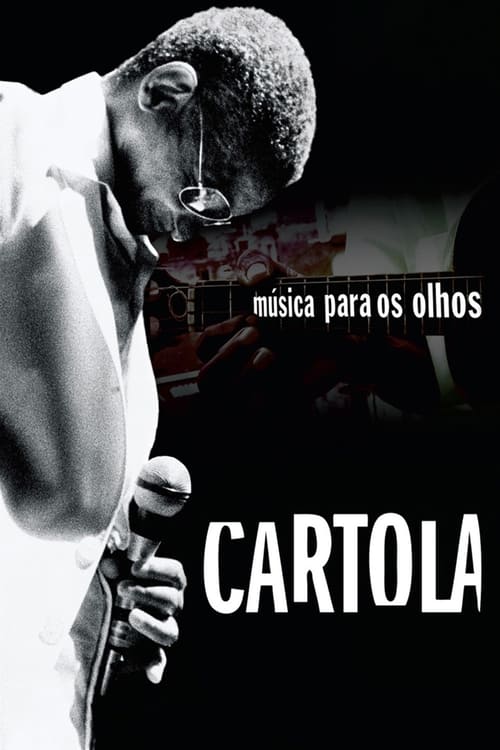
In the ending of "Cartola: The Samba Legend," the film culminates in a poignant reflection on the life of Cartola, showcasing his enduring legacy in samba music. As he faces the twilight of his life, he finds solace in his music and the love of his life, Dona Zica. The film closes with a celebration of his contributions to Brazilian culture, leaving viewers with a sense of reverence for his artistry and the struggles he overcame.
Expanding on this, the final scenes of "Cartola: The Samba Legend" unfold with a deep emotional resonance. The setting shifts to Cartola's modest home, where he is now an older man, reflecting on his past. The camera captures the weariness in his eyes, a testament to the hardships he has faced throughout his life. He sits in a dimly lit room, surrounded by photographs of his younger self, his friends, and the vibrant samba culture that once thrived around him.
As the narrative progresses, we see Cartola's relationship with Dona Zica, his partner and muse, who has been a constant source of support. Their interactions are tender, filled with unspoken understanding and love. Zica encourages him to continue sharing his music, reminding him of the joy it brings to others. This moment highlights Cartola's internal struggle; he grapples with feelings of inadequacy and the weight of his past failures, yet Zica's unwavering belief in him reignites his passion.
The film then transitions to a vibrant samba gathering, where musicians and dancers celebrate Cartola's legacy. The atmosphere is electric, filled with laughter, rhythm, and the spirit of community. Cartola, though frail, is drawn to the music, and he begins to play his guitar, his fingers moving with a grace that belies his age. The scene is interspersed with flashbacks of his younger days, showcasing his rise to fame and the challenges he faced, including poverty and personal loss.
As the celebration continues, Cartola's music resonates deeply with the crowd, evoking nostalgia and a sense of belonging. The camera pans over the faces of the audience, capturing their joy and appreciation for the man who has given them so much through his art. In this moment, Cartola realizes the impact of his work, and a sense of peace washes over him.
The film concludes with Cartola and Zica standing together, watching the festivities unfold. They share a quiet moment, reflecting on their journey together. Cartola's eyes glisten with tears, not of sadness, but of gratitude for the life he has lived and the love he has experienced. The final shot lingers on their intertwined hands, symbolizing their enduring bond and the legacy of love and music that Cartola leaves behind.
In the end, Cartola's fate is one of acceptance and fulfillment. He may not have achieved all his dreams, but he has left an indelible mark on the world of samba. Dona Zica remains by his side, a testament to the power of love and support in overcoming life's adversities. The film closes with a sense of hope, celebrating the resilience of the human spirit and the timeless nature of music.
Is there a post-credit scene?
The movie "Cartola: The Samba Legend" does not feature a post-credit scene. The film concludes its narrative without any additional scenes after the credits roll. The focus remains on the life and legacy of Cartola, exploring his struggles, triumphs, and the profound impact he had on samba music and Brazilian culture. The ending emphasizes the emotional weight of his journey, leaving the audience with a sense of closure regarding his story.
What challenges did Cartola face in his early life that influenced his music career?
Cartola, born as Agenor de Oliveira, faced significant hardships in his early life, including poverty and the loss of his father at a young age. These experiences instilled in him a deep sense of resilience and a profound connection to the struggles of the marginalized, which later influenced the themes of his samba music.
How did Cartola's relationship with his wife, Dona Zica, impact his life and music?
Dona Zica played a crucial role in Cartola's life, providing emotional support and stability. Their relationship was marked by deep love and mutual respect, which inspired many of Cartola's songs. Zica's encouragement helped him navigate the challenges of his career, and her presence was a source of comfort during his struggles.
What role did the samba school Estação Primeira de Mangueira play in Cartola's life?
Estação Primeira de Mangueira was not only a samba school but also a family for Cartola. It provided him with a platform to express his musical talents and connect with the community. His involvement with Mangueira was pivotal in shaping his identity as a samba composer and performer, allowing him to contribute to the rich cultural tapestry of Brazilian music.
How did Cartola's music reflect the social issues of his time?
Cartola's music often addressed the struggles of the poor and the marginalized in Brazilian society. His lyrics conveyed the pain of social injustice, love, and longing, resonating with the experiences of many who faced similar hardships. This connection to social issues made his work not only art but also a voice for the voiceless.
What was the significance of Cartola's song 'O Mundo é um Moinho' in his career?
'O Mundo é um Moinho' is one of Cartola's most famous compositions, encapsulating his poetic style and deep emotional resonance. The song reflects themes of life's transience and the inevitability of change, showcasing Cartola's ability to blend personal experience with universal truths. Its success solidified his reputation as a master of samba and a significant figure in Brazilian music.
Is this family friendly?
"Cartola: The Samba Legend" is a biographical film that explores the life of the renowned Brazilian samba musician Cartola. While the film primarily focuses on his artistic journey and contributions to samba music, it does contain some themes and scenes that may be considered objectionable or upsetting for children or sensitive viewers.
-
Depictions of Poverty: The film portrays the struggles of Cartola's early life, including scenes that depict poverty and hardship, which may be distressing for younger audiences.
-
Family Struggles: There are moments that highlight familial conflicts and personal relationships that can be emotionally charged, reflecting the complexities of Cartola's life.
-
Loss and Grief: The film addresses themes of loss, including the death of loved ones, which may evoke strong emotions and could be upsetting for some viewers.
-
Substance Use: There are references to alcohol and its impact on Cartola's life, which may not be suitable for younger audiences.
-
Social Issues: The film touches on social issues such as racism and inequality, which, while important, may be heavy topics for children to process.
Overall, while the film celebrates Cartola's legacy and the beauty of samba music, it does contain elements that may require parental guidance for younger viewers.





