










Popular
What role does the setting play in the development of the story?
How do the supporting characters influence the main character's journey?
How does the relationship between the main characters evolve throughout the film?
What is the significance of the sunflower in the movie?
What challenges does the protagonist face in their personal life?
Should I watch it?
Ask Your Own Question

What is the plot?
Sorry, we aren't able to watch and write up a full detailed plot yet. Check back in a few days.







What is the ending?
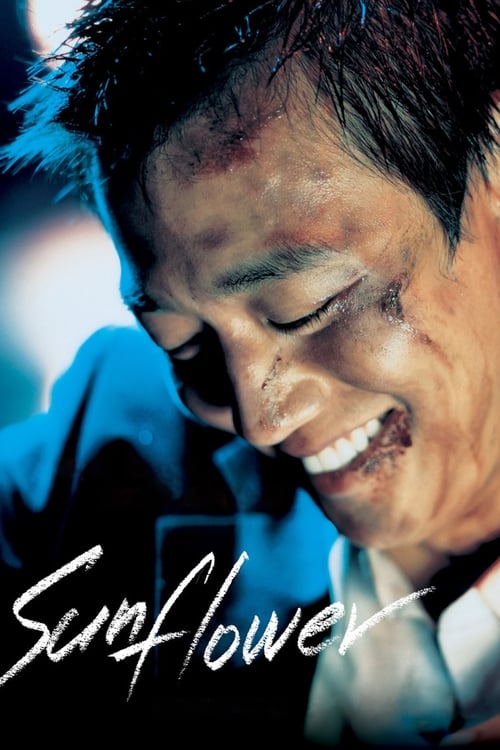
In the ending of the movie "Sunflower," the main character, a man named Chen, confronts his past and the choices he made that led to his current life. He seeks closure with his estranged family and ultimately finds a sense of peace. The film concludes with a poignant moment of reflection, as Chen embraces the beauty of life and the connections he has with others.
As the film approaches its conclusion, we find Chen in a state of turmoil, grappling with the weight of his past decisions. The scene opens with him standing alone in a dimly lit room, the shadows reflecting the internal conflict he faces. He is haunted by memories of his family, particularly his estranged daughter, whom he has not seen in years. The air is thick with regret, and Chen's expression reveals a deep longing for reconciliation.
In the next scene, Chen makes the difficult decision to reach out to his daughter. He picks up the phone, his hands trembling slightly as he dials her number. The camera captures the tension in his face, a mixture of hope and fear. When she answers, there is a palpable silence, filled with unspoken words and emotions. Chen's voice is shaky as he apologizes for his absence and expresses his desire to reconnect. His daughter, initially hesitant, listens quietly, her emotions swirling between anger and a flicker of hope.
The following scene shifts to a park where Chen has arranged to meet his daughter. The sun filters through the trees, casting a warm glow on the scene, symbolizing the possibility of healing. As Chen waits on a bench, he fidgets nervously, glancing around as if searching for reassurance. When his daughter arrives, the atmosphere is charged with tension. They exchange awkward greetings, and Chen's eyes are filled with remorse as he struggles to find the right words.
As they sit together, the conversation unfolds slowly. Chen shares stories from his past, revealing the struggles he faced and the mistakes he made. His daughter listens, her expression softening as she begins to understand the complexities of his life. The dialogue is raw and emotional, filled with moments of silence that speak volumes. Chen's vulnerability allows his daughter to see him not just as a father who abandoned her, but as a flawed human being seeking redemption.
In a pivotal moment, Chen reaches out to hold her hand, a gesture of connection and sincerity. His daughter hesitates but eventually reciprocates, their fingers intertwining. This simple act signifies a breakthrough in their relationship, a step towards forgiveness. The camera captures their hands together, a visual representation of the bridge being built between them.
The final scenes depict Chen and his daughter walking together through the park, the sun setting in the background, casting a golden hue over their figures. They share laughter and tentative smiles, hinting at the possibility of a new beginning. As they part ways, Chen watches her leave, a sense of peace washing over him. He realizes that while the past cannot be changed, the future holds the potential for healing and connection.
In the closing moments of the film, Chen stands alone, looking up at the sky. The sunflowers in the park sway gently in the breeze, symbolizing hope and renewal. Chen's expression is one of contentment, a man who has faced his demons and emerged with a renewed sense of purpose. The screen fades to black, leaving the audience with a lingering sense of optimism for the characters' futures.
In summary, Chen finds reconciliation with his daughter, leading to a moment of emotional healing. The film concludes with a message of hope, emphasizing the importance of connection and the possibility of redemption, even after years of estrangement.
Is there a post-credit scene?
The movie "Sunflower," produced in 2006, does not have a post-credit scene. The film concludes its narrative without any additional scenes or content after the credits roll. The story wraps up with a focus on the emotional journey of the characters, leaving the audience with a sense of closure regarding the themes explored throughout the film.
What role does the setting play in the development of the story?
The setting, which includes both urban and rural landscapes, reflects the protagonist's internal struggles and aspirations. The contrasting environments serve to highlight the themes of isolation versus community, and the beauty of nature juxtaposed with the harshness of life.
How do the supporting characters influence the main character's journey?
Supporting characters play crucial roles in the protagonist's journey, offering guidance, friendship, and sometimes opposition. Their interactions provide critical turning points that help the protagonist gain insight into their own desires and motivations.
How does the relationship between the main characters evolve throughout the film?
The relationship between the main characters, particularly the protagonist and their love interest, evolves from initial misunderstandings and conflicts to a deeper connection forged through shared experiences and emotional revelations, highlighting themes of forgiveness and growth.
What is the significance of the sunflower in the movie?
The sunflower serves as a powerful symbol throughout the film, representing hope, resilience, and the pursuit of happiness amidst adversity. It reflects the characters' emotional journeys and their struggles to find light in dark times.
What challenges does the protagonist face in their personal life?
The protagonist faces numerous challenges, including familial expectations, personal loss, and the struggle to reconcile their dreams with reality. These obstacles force them to confront their fears and ultimately shape their character development.
Is this family friendly?
"Sunflower," produced in 2006, is a poignant drama that explores themes of love, loss, and the complexities of family relationships. While it is a deeply emotional film, it may not be considered family-friendly for younger audiences or sensitive viewers due to several potentially objectionable or upsetting aspects:
-
Death and Grief: The film deals with themes of mortality and the impact of losing a loved one, which may be distressing for children or those sensitive to such topics.
-
Emotional Turmoil: Characters experience significant emotional struggles, including sadness, regret, and conflict, which may be intense for younger viewers to process.
-
Family Conflict: There are scenes depicting strained family dynamics and arguments that could be uncomfortable for children or those who are sensitive to familial discord.
-
Mental Health Issues: The film touches on themes related to mental health, including depression and anxiety, which may be challenging for some viewers.
-
Intense Situations: Certain scenes may involve heightened emotional stakes or distressing situations that could be upsetting.
Overall, while "Sunflower" offers a rich narrative and emotional depth, its themes and content may not be suitable for all audiences, particularly children or those who are sensitive to heavy emotional material.









