

















Popular
What motivates the main character, Chris, to return to ping pong after initially rejecting it?
How does Chris's relationship with his mother influence his character development?
What role does the character of the brother, who is a ping pong champion, play in Chris's journey?
How does the community's perception of ping pong affect Chris's journey?
What challenges does Chris face in the ping pong tournament, and how do they impact his character?
Should I watch it?
Ask Your Own Question

What is the plot?
Sorry, we aren't able to watch and write up a full detailed plot yet. Check back in a few days.
More Movies Like This
Browse All Movies →







What is the ending?
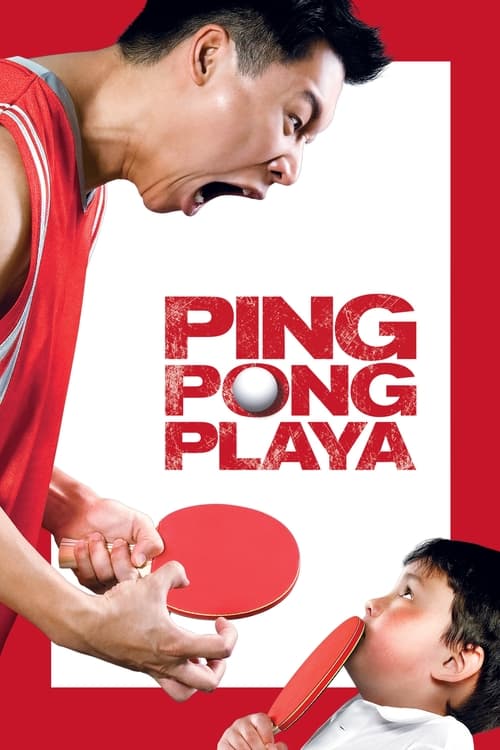
In the ending of "Ping Pong Playa," the protagonist, Chris "C-Dub" Wang, faces off against his rival, the talented and confident player, in a climactic ping pong match. After a series of intense rallies, C-Dub ultimately triumphs, gaining respect from his family and community. He reconciles with his mother and embraces his identity, finding a balance between his passion for ping pong and his family's expectations.
As the film progresses towards its conclusion, we find ourselves in the final showdown of the ping pong tournament. The atmosphere is electric, filled with anticipation as the crowd gathers to witness the match. C-Dub, who has been on a journey of self-discovery throughout the film, steps onto the stage, his heart racing with a mix of anxiety and determination. He is no longer just the underdog; he has grown into a player who understands the game and himself.
The match begins, and C-Dub's opponent, a skilled player with a reputation for being ruthless, quickly takes the lead. C-Dub struggles initially, his mind clouded with self-doubt and the weight of his family's expectations pressing down on him. However, as the game progresses, he begins to recall the lessons he learned from his mother and the support of his friends. The camera captures his internal struggle, showcasing his determination to prove himself not just to his family but to himself.
With each point scored, the tension builds. C-Dub's movements become more fluid, and he starts to find his rhythm. The crowd, initially skeptical, begins to rally behind him, sensing his transformation. The cinematography highlights the sweat on his brow, the intensity in his eyes, and the cheers from the audience, creating a palpable sense of hope.
In a pivotal moment, C-Dub recalls a piece of advice from his mother about believing in oneself. This revelation ignites a fire within him, and he starts to play with newfound confidence. The rallies become more intense, showcasing his skills and the hard work he has put into mastering the game. The camera zooms in on his face, revealing a mix of focus and joy as he realizes he is capable of greatness.
As the match reaches its climax, C-Dub finds himself at match point. The crowd is on the edge of their seats, and the atmosphere is charged with excitement. In a final, breathtaking rally, C-Dub executes a perfect shot, winning the match. The crowd erupts in cheers, and C-Dub stands in disbelief, a smile breaking across his face as he realizes he has not only won the game but also earned the respect of his peers and family.
After the match, C-Dub embraces his mother, who has been watching with pride. Their relationship, once strained, is now filled with understanding and love. C-Dub's victory symbolizes not just a win in the tournament but a personal triumph over his insecurities and the expectations placed upon him. He has found his place in the world, balancing his passion for ping pong with his family's values.
The film concludes with C-Dub reflecting on his journey, surrounded by friends and family who support him. He has grown from a self-doubting individual into a confident player who understands the importance of community and self-acceptance. The final scenes show him engaging with the community, teaching younger players, and embracing his identity as both a ping pong player and a member of his family. Each character, from his mother to his friends, has witnessed his transformation, and they all share in the joy of his success, highlighting the film's themes of perseverance, identity, and the power of family support.
Is there a post-credit scene?
In the movie "Ping Pong Playa," there is no post-credit scene. The film concludes without any additional scenes or content after the credits roll. The story wraps up with the main character, Chris "C-Dub" Wang, having gone through a journey of self-discovery and personal growth, ultimately embracing his identity and reconnecting with his family and community through the sport of ping pong. The film ends on a positive note, celebrating the importance of family, friendship, and cultural heritage.
What motivates the main character, Chris, to return to ping pong after initially rejecting it?
Chris, who initially dismisses ping pong as a childish game, is motivated to return to it after witnessing his family's passion for the sport and the pressure of needing to prove himself. His journey is fueled by a desire to gain respect from his family and to find his own identity, especially as he grapples with feelings of inadequacy and the need to step out of his brother's shadow.
How does Chris's relationship with his mother influence his character development?
Chris's relationship with his mother is pivotal in shaping his character. She is supportive yet firm, encouraging him to embrace his heritage and the family legacy in ping pong. Her belief in him contrasts with his self-doubt, pushing him to confront his fears and ultimately embrace the sport, which leads to significant personal growth.
What role does the character of the brother, who is a ping pong champion, play in Chris's journey?
Chris's brother, who is a successful ping pong champion, serves as both a source of inspiration and a point of conflict for Chris. His brother's achievements highlight Chris's insecurities and feelings of inadequacy. Throughout the film, Chris struggles with living up to his brother's legacy, which drives him to prove himself not only to his family but also to himself.
How does the community's perception of ping pong affect Chris's journey?
The community's perception of ping pong as a serious and competitive sport adds pressure on Chris. Initially, he feels embarrassed by the sport, but as he witnesses the community's passion and dedication, he begins to appreciate its significance. This shift in perception helps him embrace his identity and ultimately leads him to take pride in his skills and heritage.
What challenges does Chris face in the ping pong tournament, and how do they impact his character?
In the ping pong tournament, Chris faces numerous challenges, including his own self-doubt, the pressure of competition, and the need to overcome his brother's shadow. These challenges force him to confront his fears and insecurities, ultimately leading to a transformation where he learns to believe in himself and embrace his passion for the sport.
Is this family friendly?
"Ping Pong Playa," produced in 2008, is generally considered a family-friendly film, but it does contain some elements that may be objectionable or upsetting for children or sensitive viewers. Here are a few aspects to consider:
-
Mild Language: The film includes some instances of mild profanity and slang that may not be suitable for younger audiences.
-
Cultural Stereotypes: There are moments that play on cultural stereotypes, particularly regarding Asian-American identity, which might be uncomfortable for some viewers.
-
Family Conflict: The film explores themes of family dynamics and conflict, including a strained relationship between the protagonist and his mother, which may resonate emotionally but could be upsetting for sensitive viewers.
-
Competitive Pressure: The competitive nature of ping pong and the pressure to succeed can create tense moments that might be stressful for younger viewers.
-
Physical Comedy: There are scenes involving physical comedy that may include slapstick humor, which could be perceived as excessive or inappropriate by some.
Overall, while "Ping Pong Playa" is lighthearted and comedic, these elements may warrant parental guidance for younger audiences.









