



















Popular
What role does Charles Eastman play in the story?
How does the character of Sitting Bull evolve throughout the film?
What events lead to the Wounded Knee Massacre in the film?
How does the character of Senator Henry Dawes impact the Native American experience?
What is the significance of the relationship between Charles Eastman and his wife, Elaine?
Should I watch it?
Ask Your Own Question

What is the plot?
Sorry, we aren't able to watch and write up a full detailed plot yet. Check back in a few days.






What is the ending?
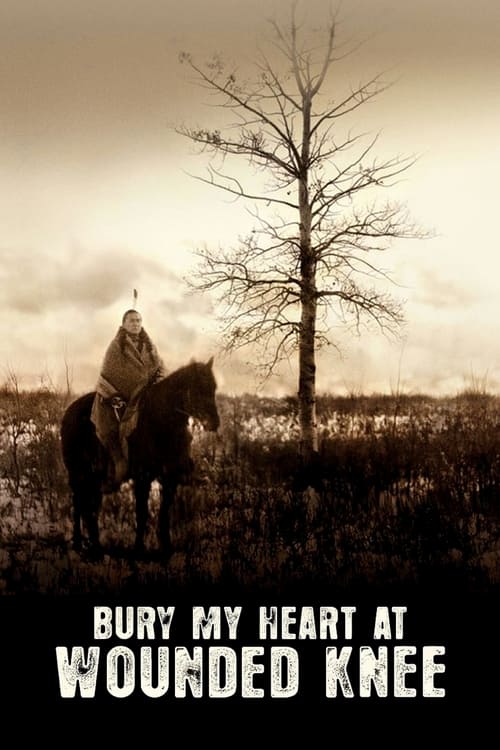
In the ending of "Bury My Heart at Wounded Knee," the film culminates in the tragic events surrounding the Wounded Knee Massacre. The Lakota Sioux, led by Chief Sitting Bull and later by Crazy Horse, face the encroachment of U.S. forces. The film concludes with the brutal confrontation at Wounded Knee, where many Native Americans are killed. The aftermath leaves a profound sense of loss and despair, particularly for the characters who have fought for their people's rights and way of life.
As the film progresses toward its conclusion, we see the tension between the U.S. government and the Native American tribes escalate. The narrative shifts to the winter of 1890, where the Lakota Sioux are struggling to survive under harsh conditions. The government, having failed to honor treaties, continues to push the Sioux into a corner, leading to desperation among the tribes.
In a pivotal scene, we witness the arrival of U.S. troops at Wounded Knee. The atmosphere is tense, filled with uncertainty and fear. The soldiers, under the command of Colonel James Forsyth, are portrayed as a formidable force, while the Lakota, led by Chief Big Foot, are depicted as vulnerable yet proud. The film captures the emotional weight of this moment, emphasizing the stark contrast between the two sides.
As the confrontation unfolds, the soldiers demand the surrender of the Lakota's weapons. The tension escalates when a scuffle breaks out, leading to chaos. The camera captures the horror of the moment as gunfire erupts, and the Lakota are mercilessly attacked. The scene is visceral, showcasing the brutality of the massacre, with many innocent lives lost, including women and children.
In the aftermath of the massacre, the film shifts to a somber tone. The surviving characters, including the determined lawyer Charles Eastman, are left to grapple with the devastating loss of life and the destruction of their culture. Eastman, who has fought tirelessly for the rights of his people, is shown in a state of despair, reflecting on the futility of their struggle against the overwhelming force of the U.S. government.
The final scenes depict the stark reality of the Lakota's fate. The once vibrant community is shattered, and the emotional toll is palpable. The film closes with a haunting reminder of the sacrifices made by the Native American people, leaving viewers with a sense of sorrow and reflection on the historical injustices faced by indigenous communities.
In summary, the ending of "Bury My Heart at Wounded Knee" encapsulates the tragic consequences of the conflict between the U.S. government and the Native American tribes, highlighting the loss of life, culture, and hope for a better future. The fates of the main characters, including Chief Big Foot and Charles Eastman, serve as poignant reminders of the enduring struggle for justice and recognition.
Is there a post-credit scene?
The movie "Bury My Heart at Wounded Knee," produced in 2007, does not have a post-credit scene. The film concludes with a poignant ending that encapsulates the struggles and tragedies faced by the Native American tribes, particularly the Lakota Sioux, during the late 19th century. The narrative focuses on the impact of U.S. government policies on Native American lives, culminating in the tragic events at Wounded Knee. The film leaves viewers with a sense of reflection on the historical injustices faced by Indigenous peoples, but there are no additional scenes or content after the credits roll.
What role does Charles Eastman play in the story?
Charles Eastman, a mixed-blood Sioux physician, serves as a crucial character who bridges the gap between Native American culture and the encroaching white society. He is portrayed as a man deeply committed to his people, advocating for their rights and well-being. His internal conflict is evident as he navigates his identity and the pressures of assimilation, ultimately striving to help the Sioux people understand the changing world around them.
How does the character of Sitting Bull evolve throughout the film?
Sitting Bull is depicted as a proud and resilient leader who fiercely defends his people's way of life. As the film progresses, he faces immense pressure from both the U.S. government and the encroaching settlers. His emotional state shifts from defiance to despair as he witnesses the loss of his people's land and culture. Despite this, he remains a symbol of resistance, ultimately leading to his tragic fate.
What events lead to the Wounded Knee Massacre in the film?
The film builds tension leading to the Wounded Knee Massacre by showcasing the increasing desperation of the Sioux people as they are forced onto reservations and stripped of their rights. The U.S. government's broken treaties and the rise of tensions culminate in the tragic confrontation at Wounded Knee, where the Sioux, including women and children, are attacked by U.S. troops, resulting in a devastating loss of life.
How does the character of Senator Henry Dawes impact the Native American experience?
Senator Henry Dawes is portrayed as a complex figure who, despite his intentions to help Native Americans through the Dawes Act, ultimately contributes to their suffering. His motivations are rooted in a belief that assimilation is the solution, but his policies lead to the loss of tribal lands and identity. His interactions with Native leaders reveal his paternalistic attitude, highlighting the disconnect between his views and the realities faced by the Sioux.
What is the significance of the relationship between Charles Eastman and his wife, Elaine?
The relationship between Charles Eastman and his wife, Elaine, serves as a poignant reflection of the cultural clash between Native American traditions and Western values. Elaine, who is of European descent, represents the challenges of assimilation and the complexities of identity. Their love is tested by the external pressures of society and the internal struggles of Eastman as he tries to reconcile his dual heritage, ultimately showcasing the personal impact of broader historical events.
Is this family friendly?
"Bury My Heart at Wounded Knee," produced in 2007, is a historical drama that deals with the complex and often tragic history of Native American tribes during the late 19th century. While the film is an important portrayal of this history, it contains several elements that may be objectionable or upsetting for children or sensitive viewers.
-
Violence and Conflict: The film depicts various violent encounters between Native Americans and U.S. government forces, including battles and skirmishes that may be distressing.
-
Death and Loss: There are scenes that portray the death of characters, including the loss of family members, which can evoke strong emotional responses.
-
Displacement and Suffering: The film addresses themes of displacement, suffering, and the impact of colonization on Native American communities, which may be heavy topics for younger audiences.
-
Emotional Turmoil: Characters experience significant emotional pain, including grief, betrayal, and despair, which may be difficult for sensitive viewers to process.
-
Cultural Misunderstanding: The film explores the cultural clashes and misunderstandings between Native Americans and settlers, which may raise complex questions about history and morality.
Overall, while the film is a poignant and educational portrayal of a significant historical period, its themes and content may not be suitable for all children or sensitive viewers.








