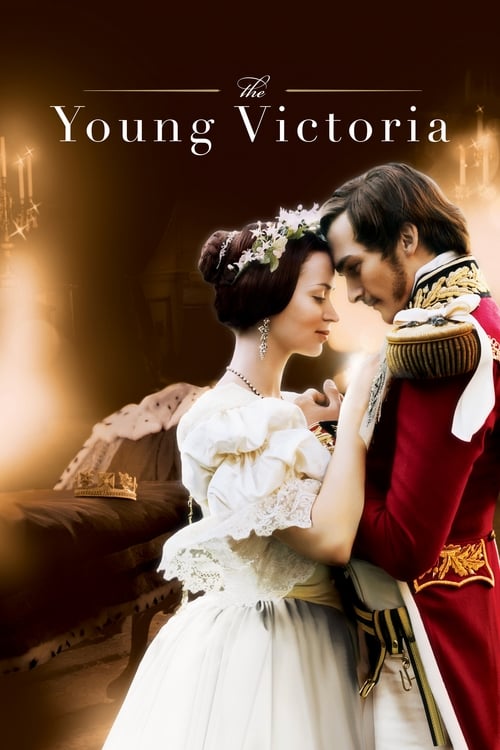
































Popular
What challenges does Victoria face during her early reign as queen?
How does Victoria's relationship with Prince Albert develop throughout the film?
What role does Lord Melbourne play in Victoria's life?
How does Victoria's relationship with her mother impact her decisions as queen?
What events lead to the marriage proposal between Victoria and Albert?
Should I watch it?
Ask Your Own Question

What is the plot?
Sorry, we aren't able to watch and write up a full detailed plot yet. Check back in a few days.







What is the ending?
In the ending of "The Young Victoria," Queen Victoria and Prince Albert solidify their partnership as they navigate the challenges of monarchy and personal life. They face political pressures and personal trials, but ultimately, their love and commitment to each other prevail. The film concludes with a sense of hope for their future together as they embrace their roles as leaders and partners.
As the film approaches its conclusion, we find ourselves in the midst of a tumultuous political landscape. Queen Victoria, now firmly seated on the throne, is grappling with the responsibilities of her position. The scene opens with her in a grand meeting room, surrounded by advisors and ministers. The tension is palpable as they discuss the political unrest in the country. Victoria, though young, displays a growing confidence and determination to assert her authority. She is no longer the sheltered girl but a queen who understands the weight of her decisions.
In the next scene, we see Prince Albert, who has been a steadfast support for Victoria throughout her reign. He stands by her side, offering counsel and encouragement. Their bond is evident as they share a quiet moment, reflecting on the challenges they face. Albert's unwavering loyalty and love for Victoria shine through, and it becomes clear that he is not just her husband but also her partner in governance. The emotional connection between them deepens as they navigate the complexities of royal life together.
As the political situation escalates, Victoria faces opposition from her ministers, who question her decisions and her ability to rule. In a pivotal moment, she stands up to them, asserting her right to make choices for her kingdom. This scene is charged with emotion as Victoria's resolve is tested. She recalls the struggles she faced to gain her position and the sacrifices made by those who came before her. The audience can feel her internal conflict, torn between her duties as a queen and her desire for personal happiness.
The climax of the film occurs during a grand public event, where Victoria and Albert are to make a joint appearance. The atmosphere is electric, filled with anticipation from the crowd. As they step onto the balcony, the couple is met with cheers and applause, a testament to their popularity among the people. In this moment, Victoria realizes the strength of their union and the support they have from the public. The scene is visually stunning, with the backdrop of a vibrant crowd and the couple standing united, symbolizing hope and stability for the nation.
In the final scenes, we witness a tender moment between Victoria and Albert in their private quarters. They share a heartfelt conversation about their future, dreams, and the legacy they wish to create together. The warmth of their relationship is palpable, and it is clear that they have found a balance between their personal lives and their roles as monarchs. The film closes with a shot of them holding hands, looking out over the gardens of their palace, a symbol of their commitment to each other and their shared vision for the future.
As the credits roll, we reflect on the fates of the main characters. Queen Victoria emerges as a strong and capable ruler, having found her voice and confidence. Prince Albert remains her devoted partner, supporting her in both personal and political matters. Together, they embody the ideals of love, partnership, and duty, setting the stage for a new era in the monarchy. The film leaves the audience with a sense of optimism, highlighting the power of love and collaboration in overcoming adversity.
Is there a post-credit scene?
The movie "The Young Victoria," produced in 2009, does not have a post-credit scene. The film concludes with a poignant moment that encapsulates the themes of love, duty, and the challenges of leadership faced by Queen Victoria. After the credits roll, there are no additional scenes or content that follow. The story wraps up with a focus on the relationship between Victoria and Prince Albert, highlighting their commitment to each other and their roles as monarchs.
What challenges does Victoria face during her early reign as queen?
Victoria faces numerous challenges during her early reign, including political instability, opposition from her uncle, King Leopold, and the struggle to assert her authority in a male-dominated society. She is often isolated and must navigate the complexities of court politics while also dealing with her own insecurities and the pressure of being a young queen.
How does Victoria's relationship with Prince Albert develop throughout the film?
Victoria's relationship with Prince Albert evolves from initial skepticism to deep affection. Initially, she is wary of him due to her mother's manipulations and the political implications of their union. However, as they spend time together, they bond over shared interests and values, leading to a passionate romance and a strong partnership that supports her reign.
What role does Lord Melbourne play in Victoria's life?
Lord Melbourne serves as a mentor and confidant to Victoria during her early reign. He provides her with guidance and support, helping her navigate the political landscape. His charm and experience make him a father figure to her, but as she grows more confident, she begins to realize that she must assert her independence from him.
How does Victoria's relationship with her mother impact her decisions as queen?
Victoria's relationship with her mother, the Duchess of Kent, is fraught with tension. Her mother tries to control her life and decisions, which leads to Victoria's feelings of rebellion and a desire for independence. This conflict shapes Victoria's character, pushing her to assert her authority and make choices that reflect her own beliefs rather than her mother's expectations.
What events lead to the marriage proposal between Victoria and Albert?
The marriage proposal between Victoria and Albert is precipitated by their growing affection and mutual respect. After a series of personal and political challenges, including Victoria's realization of her feelings for Albert and his unwavering support during her struggles, Albert formally proposes. This moment is significant as it symbolizes not only their love but also the merging of their political ambitions.
Is this family friendly?
"The Young Victoria" is generally considered family-friendly, but there are a few scenes and themes that may be potentially objectionable or upsetting for children or sensitive viewers.
-
Political Intrigue and Betrayal: The film depicts the political maneuvering and betrayal that occurs within the royal court, which may be complex and intense for younger viewers to understand.
-
Death and Loss: There are references to the death of family members and the emotional impact of loss, particularly concerning Queen Victoria's relationship with her mother and the pressures of royal duty.
-
Emotional Turmoil: The film explores themes of loneliness, anxiety, and the pressures of leadership, which may resonate deeply and evoke strong emotions.
-
Romantic Tension: There are scenes that depict the romantic relationship between Victoria and Albert, including moments of tension and misunderstanding that may be more suitable for older children.
-
Historical Context of Power Struggles: The film touches on the struggles for power and control within the monarchy, which may include scenes of conflict and rivalry that could be unsettling.
Overall, while the film is visually stunning and offers a rich historical narrative, parents may want to consider these elements when deciding if it is appropriate for younger audiences.