




















Popular
Should I watch it?
Ask Your Own Question

What is the plot?
Sorry, we aren't able to watch and write up a full detailed plot yet. Check back in a few days.



What is the ending?
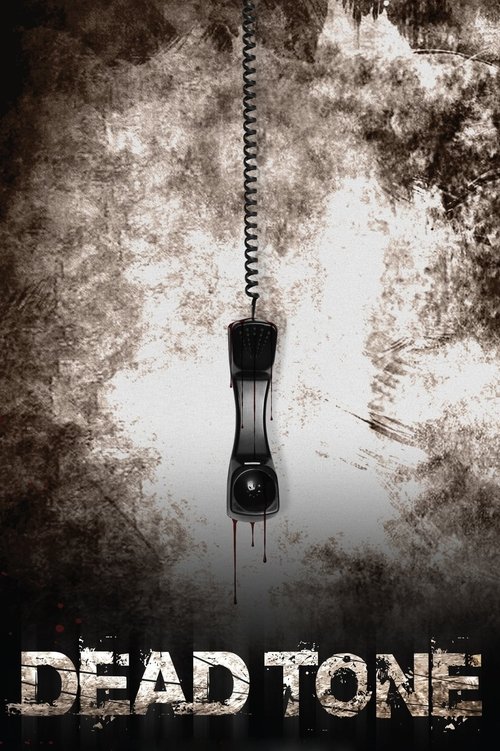
In the ending of "Dead Tone," the characters face the consequences of their actions as the horror escalates. The group is hunted down by a mysterious killer, leading to a series of violent confrontations. Ultimately, the survivors confront the truth about their past and the nature of their fears, culminating in a shocking revelation about the killer's identity.
As the film approaches its climax, the tension builds within the group of friends who have gathered for a night of fun. They are initially engaged in a game of telephone, but the atmosphere quickly shifts as they begin to receive ominous phone calls. The calls are taunting and seem to be connected to a dark event from their past, which they had hoped to leave behind.
Scene by scene, the narrative unfolds:
The first scene of the climax begins in a dimly lit room where the friends are gathered. Laughter fills the air, but it is soon interrupted by a phone ringing. The group exchanges nervous glances as one of them answers. The voice on the other end is distorted and menacing, sending chills down their spines. The caller knows intimate details about their lives, revealing secrets that they thought were buried. This moment marks the shift from a fun gathering to a night of terror.
As the calls continue, paranoia sets in. The friends begin to suspect one another, their camaraderie fraying under the pressure. They argue, pointing fingers, and the atmosphere becomes charged with fear and distrust. Each character's internal struggle is palpable; they are haunted by their past mistakes and the guilt that comes with them. The audience can see the fear in their eyes, the way their hands tremble as they clutch their phones, desperate for reassurance.
In the next scene, the group decides to split up, hoping to find safety in numbers. This decision proves disastrous. One by one, they are picked off by the unseen killer, each death marked by a brutal confrontation that highlights their individual fears. The camera lingers on their faces, capturing the raw emotion of betrayal and despair as they realize that their past has come back to haunt them in the most violent way.
As the final confrontation approaches, only a few friends remain. They gather in a secluded area, trying to piece together the clues that have led them to this moment. It is here that they confront the truth about the killer's identity. The revelation is shocking; the killer is someone they once trusted, someone who has been manipulating events from the shadows. This twist adds a layer of betrayal that cuts deep, as the remaining friends grapple with the realization that their own actions have led to this moment of horror.
In the final scenes, the remaining characters face the killer in a desperate struggle for survival. The fight is intense, filled with emotional stakes as they confront not only the physical threat but also the emotional weight of their past. The camera captures the chaos of the struggle, the desperation in their movements, and the fear etched on their faces.
Ultimately, the film concludes with a haunting silence. The surviving characters are left to deal with the aftermath of the night. They are physically alive, but emotionally scarred, burdened by the weight of their past decisions and the loss of their friends. The final shot lingers on their faces, reflecting a mix of relief and horror, as they realize that the night has changed them forever.
In summary, the fates of the main characters are grim. Some meet their end at the hands of the killer, while the few who survive are left to confront the emotional and psychological ramifications of their actions. The film closes on a note of ambiguity, leaving the audience to ponder the true cost of their past and the nature of fear that lingers long after the terror has subsided.
Is there a post-credit scene?
In the movie "Dead Tone," there is no post-credit scene. The film concludes without any additional scenes or content after the credits roll. The story wraps up with the resolution of the main plot, leaving the audience with the finality of the events that have transpired throughout the film. The focus remains on the horror and suspense that unfolds during the main narrative, rather than extending the story further in a post-credit sequence.
What is the significance of the phone calls in Dead Tone?
In 'Dead Tone', the phone calls serve as a central plot device that drives the tension and horror of the story. The characters receive ominous calls that escalate in intensity, revealing their fears and secrets. These calls are not just a means of communication but also a manifestation of the characters' inner turmoil and the impending danger they face.
How does the character of Mike evolve throughout the film?
Mike starts as a seemingly carefree college student who enjoys pranks and jokes with his friends. However, as the horror unfolds, he becomes increasingly anxious and paranoid, grappling with guilt over the consequences of their actions. His emotional state shifts from lightheartedness to desperation as he confronts the reality of the situation and the impact of their past decisions.
What role does the character of Lisa play in the story?
Lisa is a pivotal character who embodies the emotional core of the group. As Mike's girlfriend, she represents a sense of normalcy and stability amidst the chaos. Her reactions to the unfolding horror reveal her vulnerability and strength, as she tries to support Mike while also dealing with her own fears. Lisa's character arc highlights the struggle between love and survival.
What is the backstory of the killer in Dead Tone?
The killer in 'Dead Tone' has a tragic backstory that is gradually revealed through the characters' conversations and flashbacks. This backstory involves themes of betrayal and revenge, as the killer seeks to punish those who have wronged them in the past. Understanding this backstory adds depth to the character, transforming them from a mere antagonist into a figure driven by deep emotional scars.
How do the characters react to the supernatural elements in the film?
The characters' reactions to the supernatural elements vary significantly, reflecting their individual personalities and coping mechanisms. Some, like Mike, initially dismiss the occurrences as pranks or coincidences, while others, like Lisa, are more attuned to the danger and express fear and disbelief. As the supernatural events escalate, the group's dynamics shift, leading to paranoia and mistrust among them.
Is this family friendly?
"Dead Tone," produced in 2007, is not considered family-friendly. The film contains several potentially objectionable or upsetting elements that may be distressing for children or sensitive viewers.
-
Graphic Violence: The movie features scenes of intense violence, including murder and bloodshed, which can be quite graphic and disturbing.
-
Horror Elements: There are supernatural and horror themes that may evoke fear, including suspenseful moments and jump scares.
-
Strong Language: The dialogue includes profanity and harsh language that may not be suitable for younger audiences.
-
Sexual Content: There are instances of sexual situations and suggestive themes that could be inappropriate for children.
-
Psychological Tension: The film explores themes of fear, paranoia, and psychological distress, which may be unsettling for sensitive viewers.
Overall, "Dead Tone" is aimed at an adult audience and contains numerous elements that could be upsetting for children or those who are sensitive to horror and violence.









