

















Popular
What events lead to the disappearance of Peter Falconio?
How does Joanne Lees describe her experience during the attack?
What role does the police investigation play in the story?
What are the key moments that showcase Joanne's emotional struggle throughout the film?
How does the film portray the character of the alleged attacker, Bradley Murdoch?
Should I watch it?
Ask Your Own Question

What is the plot?
Sorry, we aren't able to watch and write up a full detailed plot yet. Check back in a few days.
More Movies Like This
Browse All Movies →





What is the ending?
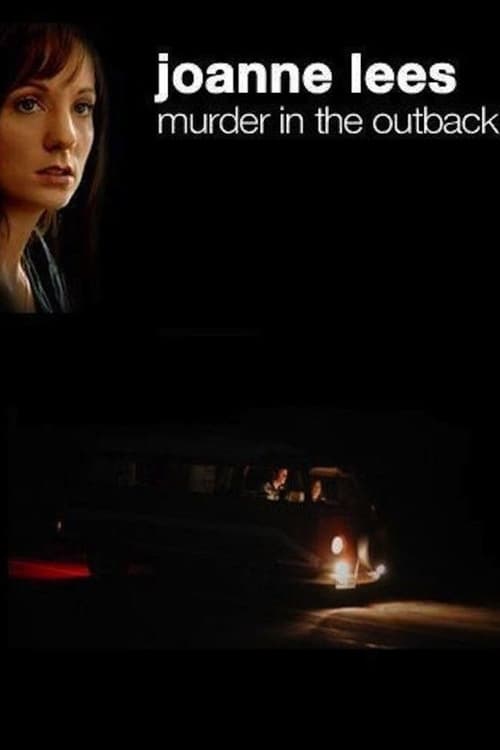
In the ending of "Joanne Lees: Murder in the Outback," Joanne Lees is finally able to confront the traumatic events of her past. The film culminates in a tense resolution as the investigation into the disappearance of her boyfriend, Peter Falconio, reaches a critical point. The audience learns about the fate of the key characters involved, including the police and the accused, as the truth about the events in the outback is revealed.
As the film progresses towards its conclusion, the narrative unfolds with a series of pivotal scenes that highlight the emotional turmoil and the quest for justice.
The first scene of the ending begins with Joanne, visibly shaken and still grappling with the trauma of the night Peter disappeared. She is shown in a police station, recounting her harrowing experience to detectives. Her voice trembles as she describes the moment they were attacked on the remote highway. The tension in the room is palpable as the officers listen intently, trying to piece together the details of her story.
Next, the film shifts to the investigation, where police are seen combing through the outback, searching for any evidence that could lead them to Peter. The vast, desolate landscape is depicted with sweeping shots of the rugged terrain, emphasizing the isolation and danger of the environment. The officers' determination is evident as they sift through the evidence, driven by the urgency to find Peter and bring closure to Joanne.
In a subsequent scene, the focus turns to the trial of the accused, Bradley Murdoch. The courtroom is filled with tension as Joanne takes the stand, her emotions raw and vulnerable. She recounts the traumatic events of that fateful night, her eyes filled with tears as she describes her fear and desperation. The audience can feel her pain as she relives the moment she lost Peter, and her testimony becomes a powerful moment in the film.
As the trial progresses, the evidence against Murdoch mounts. The film intercuts between the courtroom and flashbacks of the night of the attack, creating a haunting juxtaposition of past and present. The tension builds as the jury deliberates, and the weight of Joanne's testimony hangs heavily in the air.
Finally, the verdict is delivered. The courtroom is silent as the judge announces that Bradley Murdoch is found guilty of murder. A wave of relief washes over Joanne, but it is mixed with sorrow for the loss of Peter. The film captures her emotional release, a moment of catharsis as she realizes that justice has been served, even though it cannot bring Peter back.
In the closing scenes, Joanne is shown walking away from the courthouse, a mixture of strength and vulnerability in her demeanor. She has faced her demons and emerged with a sense of closure, but the scars of her experience remain. The film ends with a poignant reminder of the impact of violence and the resilience of the human spirit, as Joanne steps into a new chapter of her life, forever changed by the events of the outback.
The fates of the main characters are stark: Peter Falconio remains a tragic victim, his life cut short, while Joanne Lees emerges as a survivor, having faced her fears and fought for justice. Bradley Murdoch, on the other hand, is left to face the consequences of his actions, imprisoned for his crimes. The film concludes with a sense of resolution, yet it leaves the audience reflecting on the profound effects of trauma and the quest for truth.
Is there a post-credit scene?
The movie "Joanne Lees: Murder in the Outback" does not contain a post-credit scene. The film concludes its narrative without any additional scenes or content after the credits roll. The focus remains on the intense and emotional story surrounding Joanne Lees and the tragic events that unfolded during her time in the Australian outback. The film wraps up with a sense of closure regarding the investigation and the impact of the case on Joanne's life.
What events lead to the disappearance of Peter Falconio?
Peter Falconio, a British backpacker, disappears during a road trip with his girlfriend Joanne Lees in the Australian outback. The couple is traveling along the Stuart Highway when they encounter a man who claims to be having car trouble. After pulling over to assist, they are confronted by the man, who pulls out a gun. In a terrifying turn of events, Peter is shot, and Joanne is forced to flee into the dark, desolate outback.
How does Joanne Lees describe her experience during the attack?
Joanne Lees recounts her harrowing experience with vivid detail, expressing her fear and confusion. She describes the moment the man approached their vehicle, the sudden violence of the attack, and her desperate escape into the night. Her emotional state fluctuates between terror and determination as she navigates the unforgiving landscape, driven by the instinct to survive and find help.
What role does the police investigation play in the story?
The police investigation is central to the narrative, as it unfolds in the aftermath of Peter's disappearance. Authorities conduct extensive searches in the outback, interviewing Joanne and gathering evidence. The investigation reveals various theories and leads, but also highlights the challenges of finding a missing person in such a vast and remote area. Joanne's testimony becomes crucial, as it shapes the direction of the investigation and the public's perception of the case.
What are the key moments that showcase Joanne's emotional struggle throughout the film?
Joanne's emotional struggle is depicted through several key moments, including her initial shock and disbelief after the attack, her feelings of guilt and helplessness regarding Peter's fate, and her determination to seek justice. The film captures her vulnerability as she faces media scrutiny and the pressure of the investigation, juxtaposed with her resilience as she fights to keep Peter's memory alive and advocate for the truth.
How does the film portray the character of the alleged attacker, Bradley Murdoch?
Bradley Murdoch is portrayed as a menacing figure whose actions instill fear and uncertainty. The film delves into his background and the investigation that leads to his arrest. Murdoch's character is depicted through the lens of suspicion and the psychological impact he has on Joanne and the investigation. His demeanor and the chilling nature of the crime contribute to the film's tension, as the audience grapples with the implications of his alleged actions.
Is this family friendly?
"Joanne Lees: Murder in the Outback" is not considered family-friendly due to its mature themes and content. The film deals with a real-life murder case and includes several potentially objectionable or upsetting aspects:
-
Violence and Crime: The film revolves around a murder investigation, which may include depictions of violence or discussions of violent acts that could be distressing.
-
Emotional Trauma: The emotional impact of the murder on the characters, particularly Joanne Lees, is a central theme. Her experiences of fear, loss, and trauma may be intense for younger viewers.
-
Police Investigation: Scenes depicting the police investigation may include graphic descriptions of the crime and the emotional toll on those involved.
-
Themes of Abduction: The film touches on themes of abduction and the fear associated with being in a dangerous situation, which could be unsettling.
-
Adult Language and Situations: There may be instances of strong language and adult situations that are not suitable for children.
Overall, the film's serious subject matter and emotional weight make it more appropriate for mature audiences.