















Popular
What is the relationship between the main characters, a schoolgirl and a middle-aged man?
How does the schoolgirl's character develop throughout the film?
What role does the comic book artist's profession play in the story?
What are some key moments that highlight the tension between societal norms and personal desires?
How does the film portray the theme of innocence versus experience through its characters?
Should I watch it?
Ask Your Own Question

What is the plot?
Sorry, we aren't able to watch and write up a full detailed plot yet. Check back in a few days.







What is the ending?
In the ending of "Hello, Schoolgirl," the story culminates in a poignant moment where the main characters confront their feelings and the reality of their relationship. The film concludes with a sense of unresolved tension, leaving the audience to ponder the implications of their choices.
As the final scenes unfold, we see the protagonist, a high school girl named Ji-soo, grappling with her emotions. She has developed a deep connection with her older mentor, a man named Sang-woo. The tension between them has been building throughout the film, marked by moments of intimacy and hesitation. In the closing moments, Ji-soo must decide whether to pursue her feelings for Sang-woo or to step back and acknowledge the complexities of their relationship.
In a quiet, reflective scene, Ji-soo stands alone in a park, contemplating her future. The camera captures her expression, a mix of longing and uncertainty. Sang-woo approaches her, and they share a moment of silence, filled with unspoken words. The weight of their relationship hangs in the air, and Ji-soo's internal struggle is palpable. She ultimately chooses to walk away, symbolizing her decision to prioritize her own growth and independence over a potentially tumultuous romance.
Sang-woo, left standing in the park, watches her go, a look of resignation on his face. He understands the implications of her choice, recognizing that their relationship, while meaningful, may not be sustainable. The film ends with a lingering shot of Ji-soo walking away, her figure gradually fading into the distance, leaving the audience with a sense of bittersweet closure.
In this ending, Ji-soo's fate is one of self-discovery and maturity, while Sang-woo faces the reality of unrequited feelings and the complexities of adult relationships. The film closes on a note of ambiguity, inviting viewers to reflect on the nature of love, growth, and the choices that shape our lives.
Is there a post-credit scene?
In the movie "Hello, Schoolgirl," there is no post-credit scene. The film concludes without any additional content after the credits roll. The story wraps up with the main characters, highlighting their emotional journeys and the resolution of their relationships, leaving the audience with a sense of closure. The focus remains on the narrative and character development throughout the film, rather than extending the story into a post-credit sequence.
What is the relationship between the main characters, a schoolgirl and a middle-aged man?
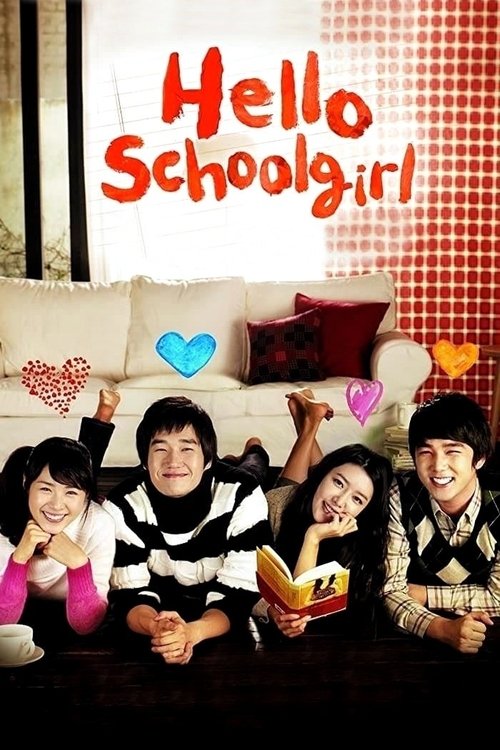
The relationship between the schoolgirl, who is a high school student, and the middle-aged man, who is a comic book artist, is central to the film. The schoolgirl, portrayed as innocent and naive, becomes infatuated with the man, who is initially hesitant but gradually becomes drawn to her youthful charm. Their interactions are filled with a mix of playful banter and emotional tension, highlighting the complexities of their age difference and the societal taboos surrounding their relationship.
How does the schoolgirl's character develop throughout the film?
The schoolgirl starts as a shy and somewhat awkward teenager, struggling with her identity and feelings of loneliness. As the story progresses, she becomes more assertive and confident, particularly in her interactions with the middle-aged man. Her character development is marked by her exploration of love and desire, as she navigates the challenges of adolescence and the complexities of her feelings for someone much older.
What role does the comic book artist's profession play in the story?
The comic book artist's profession serves as a significant backdrop for the narrative, reflecting his creative struggles and personal insecurities. His work often parallels his emotional state, and the themes of fantasy and escapism in his comics resonate with the schoolgirl's own desires for adventure and romance. The artist's journey of self-discovery is intertwined with his relationship with the schoolgirl, as they both seek connection and understanding in their lives.
What are some key moments that highlight the tension between societal norms and personal desires?
Key moments that highlight this tension include scenes where the schoolgirl openly expresses her feelings for the artist, challenging societal expectations of their relationship. For instance, when she confronts him about their age difference, it creates a moment of vulnerability for both characters. Additionally, scenes where they share intimate conversations or moments of physical closeness further emphasize the conflict between their desires and the judgment they face from the outside world.
How does the film portray the theme of innocence versus experience through its characters?
The film portrays the theme of innocence versus experience through the contrasting backgrounds of the schoolgirl and the comic book artist. The schoolgirl embodies youthful innocence, often idealizing love and relationships, while the artist represents a more jaded perspective shaped by life experiences. Their interactions reveal the complexities of navigating these differing viewpoints, as the schoolgirl's innocence challenges the artist's cynicism, leading to moments of both tension and growth for both characters.
Is this family friendly?
"Hello, Schoolgirl" is a South Korean film that contains themes and scenes that may not be suitable for children or sensitive viewers. Here are some potentially objectionable aspects:
-
Age Gap Romance: The film centers around a romantic relationship between an older man and a high school girl, which may be uncomfortable for some viewers due to the significant age difference.
-
Sexual Content: There are scenes that imply sexual situations and suggestive themes, which may not be appropriate for younger audiences.
-
Mature Themes: The film explores complex emotional and social dynamics, including issues of desire, loneliness, and the challenges of growing up, which may be difficult for children to understand.
-
Cultural Context: Some cultural references and humor may not resonate with all audiences, potentially leading to misunderstandings or discomfort.
-
Emotional Turmoil: Characters experience emotional struggles and conflicts that could be upsetting for sensitive viewers, particularly in relation to love and rejection.
Overall, the film's themes and content may not align with family-friendly viewing, and discretion is advised for younger audiences.








