

































Popular
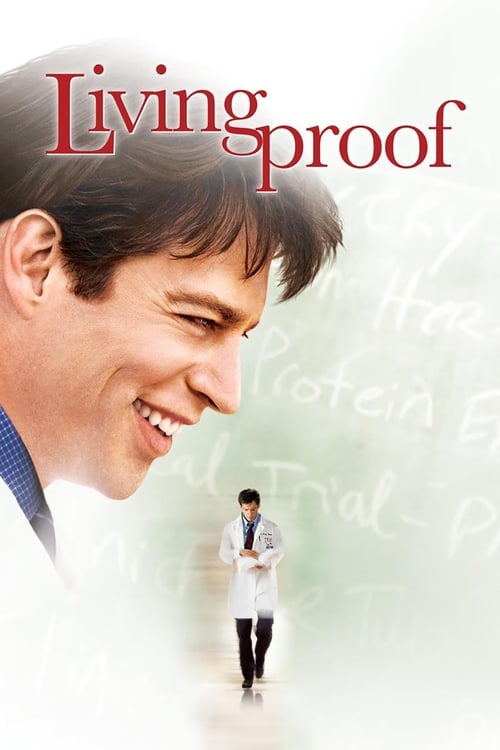
What role does Dr. Dennis Slamon play in the development of the breast cancer drug?
How does the character of Betty Rollin contribute to the narrative of the film?
What challenges does Dr. Slamon face in getting Herceptin approved?
How does the film portray the impact of breast cancer on patients and their families?
What is the significance of the clinical trials depicted in the film?
Should I watch it?
Ask Your Own Question

What is the plot?
Sorry, we aren't able to watch and write up a full detailed plot yet. Check back in a few days.
More Movies Like This
Browse All Movies →







What is the ending?
In the ending of "Living Proof," Dr. Dennis Slamon successfully advocates for the approval of the breast cancer drug Herceptin, which becomes a groundbreaking treatment for patients. The film concludes with a sense of hope and triumph as the characters reflect on their journey and the impact of their work.
As the final scenes unfold, Dr. Slamon stands before a panel, passionately presenting the data that supports the efficacy of Herceptin. His determination is palpable, fueled by the memories of the women he has fought for, including his friend and patient, who have suffered from breast cancer. The tension in the room is thick as he awaits their decision.
After a moment of silence, the panel announces their approval of Herceptin, leading to an emotional outpouring from Dr. Slamon and his supporters. The scene shifts to a montage of women receiving treatment, showcasing the drug's positive effects and the hope it brings to countless lives. The film closes with a message of perseverance and the importance of fighting for medical advancements, highlighting the personal sacrifices made by those involved in the journey.
As the film approaches its conclusion, the atmosphere is charged with anticipation. Dr. Dennis Slamon, portrayed with a mix of intensity and vulnerability, stands in front of a panel of experts, ready to present the results of his groundbreaking research on Herceptin. The room is filled with tension; the stakes are high, not just for him but for the countless women battling breast cancer who have placed their hopes in this new treatment.
Scene by scene, the narrative unfolds. Dr. Slamon begins his presentation, his voice steady yet passionate. He recounts the trials, the setbacks, and the moments of doubt that have plagued him throughout the years. He speaks of the women who have inspired him, particularly his friend who has fought valiantly against the disease. His eyes reflect a deep commitment to their cause, and the audience can feel the weight of his words.
As he presents the data, the camera captures the expressions of the panel members--some skeptical, others intrigued. The tension builds as he highlights the significant reduction in recurrence rates for patients treated with Herceptin. The stakes are not just scientific; they are deeply personal. Dr. Slamon's motivation is clear: he is not just advocating for a drug; he is fighting for lives, for hope, and for a future where breast cancer can be treated more effectively.
After a moment of deliberation that feels like an eternity, the panel finally reaches a decision. The chairperson announces the approval of Herceptin, and the room erupts in a mix of relief and joy. Dr. Slamon's face lights up with a mixture of disbelief and triumph. He is surrounded by colleagues and supporters who share in this monumental victory. The emotional weight of the moment is palpable, as they realize that their hard work and dedication have led to a breakthrough that will change the lives of many.
The film transitions into a montage, showcasing the impact of Herceptin on patients. Women of various ages and backgrounds are seen receiving treatment, their faces reflecting hope and gratitude. The scenes are interspersed with images of Dr. Slamon, now a figure of inspiration, as he continues to advocate for breast cancer research and treatment. The montage serves as a powerful reminder of the journey they have all undertaken, filled with struggles, losses, and ultimately, victories.
In the final moments, the film emphasizes the importance of perseverance and the collective effort of those who fought for this medical advancement. Dr. Slamon stands as a testament to the power of determination and the impact one person can have on the lives of many. The screen fades to black, leaving the audience with a sense of hope and the message that the fight against cancer is far from over, but with continued effort, progress is possible.
Is there a post-credit scene?
The movie "Living Proof," produced in 2008, does not contain a post-credit scene. The film concludes its narrative without any additional scenes or content after the credits roll. The story wraps up with a focus on the impact of the developments surrounding the fight against breast cancer and the personal journeys of the characters involved, particularly Dr. Dennis Slamon and his dedication to research and patient care. The ending emphasizes the importance of hope and perseverance in the face of adversity, leaving the audience with a sense of closure regarding the characters' struggles and achievements.
What role does Dr. Dennis Slamon play in the development of the breast cancer drug?
Dr. Dennis Slamon, portrayed by Harry Connick Jr., is a passionate and determined oncologist who spearheads the research and development of the groundbreaking breast cancer drug, Herceptin. His character is driven by a personal connection to the disease, as he witnesses the struggles of his patients, including his own mother. Throughout the film, Slamon faces numerous challenges, including skepticism from the medical community and the pharmaceutical industry, but his unwavering commitment to finding a cure fuels his relentless pursuit of clinical trials.
How does the character of Betty Rollin contribute to the narrative of the film?
Betty Rollin, played by Amanda Bynes, is a pivotal character who represents the voice of patients affected by breast cancer. As a journalist, she becomes deeply involved in the story of Herceptin, documenting the trials and tribulations faced by women battling the disease. Her character embodies hope and resilience, as she not only seeks to inform the public about the drug's potential but also forms a personal bond with the patients, showcasing their emotional struggles and triumphs.
What challenges does Dr. Slamon face in getting Herceptin approved?
Dr. Slamon encounters significant obstacles in his quest to get Herceptin approved, including resistance from pharmaceutical executives who are more focused on profit than patient outcomes. He faces skepticism from fellow researchers and the medical community, who doubt the efficacy of the drug. Additionally, Slamon must navigate the bureaucratic hurdles of clinical trials, where he fights to secure funding and support while advocating for the women who desperately need the treatment.
How does the film portray the impact of breast cancer on patients and their families?
The film poignantly illustrates the emotional and physical toll of breast cancer on patients and their families through various character arcs. It showcases the fear, uncertainty, and pain experienced by women diagnosed with the disease, as well as the strain it places on their loved ones. Scenes depict intimate moments of vulnerability, such as family discussions about treatment options, the emotional weight of diagnosis, and the support systems that emerge, highlighting the collective struggle against cancer.
What is the significance of the clinical trials depicted in the film?
The clinical trials depicted in 'Living Proof' are crucial to the narrative, as they represent the hope for a breakthrough in breast cancer treatment. These trials are portrayed as rigorous and emotionally charged, with patients willing to take risks for a chance at life. The film emphasizes the ethical dilemmas faced by researchers and patients alike, showcasing the tension between scientific progress and the human cost of experimentation, ultimately leading to the life-changing results that Herceptin offers.
Is this family friendly?
"Living Proof," produced in 2008, is a biographical drama that tells the story of Dr. Dennis Slamon and his groundbreaking work in developing the breast cancer drug Herceptin. While the film is primarily focused on themes of hope, perseverance, and medical innovation, there are several aspects that may be considered objectionable or upsetting for children or sensitive viewers.
-
Cancer Diagnosis and Treatment: The film deals heavily with the realities of cancer, including emotional scenes depicting patients receiving their diagnoses, undergoing treatments, and dealing with the physical and emotional toll of the disease.
-
Death and Loss: There are moments that portray the loss of patients to cancer, which can be particularly distressing. The emotional weight of these scenes may be difficult for younger viewers to process.
-
Emotional Struggles: Characters experience significant emotional turmoil, including fear, sadness, and frustration related to their health and the impact of cancer on their lives and families.
-
Medical Procedures: Some scenes depict medical procedures and the side effects of cancer treatments, which may be graphic or unsettling for sensitive viewers.
-
Family Dynamics: The film explores the strain that illness can place on family relationships, which may resonate deeply and evoke strong emotions.
Overall, while "Living Proof" carries a message of hope and resilience, its serious subject matter and emotional depth may not be suitable for all children or sensitive individuals.









