







Popular
What motivates Kenshiro to fight against the oppressive forces in the wasteland?
How does Raoh's ambition affect his relationship with Kenshiro?
What role does Yuria play in Kenshiro's journey?
How does the character of Toki influence Kenshiro's path?
What is the significance of the 'Hokuto Shinken' martial art in the story?
Should I watch it?
Ask Your Own Question

What is the plot?
Sorry, we aren't able to watch and write up a full detailed plot yet. Check back in a few days.
More Movies Like This
Browse All Movies →

What is the ending?
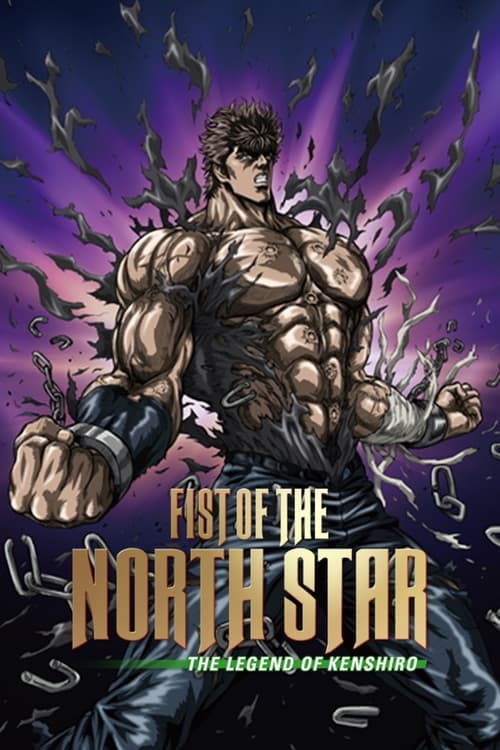
In the ending of "Fist of the North Star: The Legend of Kenshiro," Kenshiro confronts his ultimate enemy, Raoh, in a climactic battle. After a fierce fight, Kenshiro emerges victorious, but not without deep emotional turmoil. Raoh, in his final moments, acknowledges Kenshiro's strength and the futility of his own ambition. Kenshiro, despite his victory, mourns the loss of his brother and the path they both took. The film concludes with Kenshiro continuing his journey to protect the weak, embodying the hope for a better future in a devastated world.
As the final act unfolds, the atmosphere is thick with tension and anticipation. The scene opens in a desolate wasteland, where the remnants of civilization lie in ruins. Kenshiro, weary yet resolute, approaches the stronghold of Raoh, the man who has caused so much suffering. The sun hangs low in the sky, casting long shadows that mirror the weight of the impending confrontation.
Kenshiro enters the stronghold, his heart heavy with the knowledge that this battle is not just for survival but for the very soul of humanity. The air is charged with the echoes of past conflicts, and as he steps forward, he recalls the faces of those he has lost, fueling his determination. Raoh, seated on his throne, exudes an aura of power and menace. His eyes narrow as he sees Kenshiro, recognizing the brother he once fought alongside.
The two engage in a brutal exchange of blows, each strike resonating with the pain of their shared history. Kenshiro's movements are fluid and precise, a testament to his mastery of the deadly martial art of Hokuto Shinken. Raoh, equally formidable, counters with raw strength and ferocity, embodying the chaos of the world they inhabit. The fight escalates, with each combatant pushing their limits, the ground trembling beneath them as they unleash their techniques.
As the battle rages on, flashbacks intersperse the fight, revealing moments from their childhood, the bond they once shared, and the diverging paths that led them to this moment. Raoh's ambition to rule and bring order through fear clashes with Kenshiro's desire to protect the innocent and uphold justice. The emotional stakes rise as both brothers grapple with their choices, the weight of their destinies hanging in the balance.
In a pivotal moment, Kenshiro taps into the depths of his power, channeling the energy of those he has lost. With a final, devastating technique, he strikes Raoh, delivering a blow that resonates with the finality of their conflict. Raoh, wounded and realizing the futility of his quest for dominance, falls to his knees. In his last moments, he looks up at Kenshiro, a mixture of respect and regret in his eyes. He acknowledges Kenshiro's strength and the righteousness of his cause, a bittersweet acceptance of their fates.
Kenshiro, despite his victory, is engulfed in sorrow. He kneels beside Raoh, feeling the weight of their shared history and the loss of what could have been. The emotional turmoil is palpable as he reflects on the brother he has lost, the dreams that have been shattered, and the burden of being the protector of the weak. Raoh's final breath is a poignant reminder of the cost of their choices, leaving Kenshiro with a profound sense of loss.
As the dust settles, Kenshiro rises, the sun breaking through the clouds, symbolizing a glimmer of hope in the desolation. He walks away from the stronghold, his silhouette framed against the horizon, embodying the spirit of resilience. The film concludes with Kenshiro continuing his journey, determined to bring hope to a world ravaged by despair, a guardian for those who cannot protect themselves.
In the aftermath, the fates of the main characters are sealed. Kenshiro, though victorious, carries the weight of his brother's death and the scars of their conflict. Raoh, having fallen, becomes a tragic figure, a reminder of the dangers of ambition unchecked. The world remains a harsh place, but Kenshiro's resolve to fight for justice and protect the innocent shines as a beacon of hope amidst the ruins.
Is there a post-credit scene?
In the movie "Fist of the North Star: The Legend of Kenshiro," there is no post-credit scene. The film concludes with a definitive ending that wraps up the story of Kenshiro and his battle against the forces of evil in a post-apocalyptic world. The focus remains on the resolution of the main conflict and the emotional journey of the characters, particularly Kenshiro, as he confronts his past and the legacy of his martial arts. The absence of a post-credit scene allows the audience to reflect on the themes of sacrifice, love, and the struggle for justice that permeate the film.
What motivates Kenshiro to fight against the oppressive forces in the wasteland?
Kenshiro is driven by a deep sense of justice and a desire to protect the innocent. His past, marked by the loss of his loved ones and the destruction of his home, fuels his determination to confront the tyrants who exploit the weak. He embodies the hope of the oppressed, seeking to restore peace and honor in a world ravaged by chaos.
How does Raoh's ambition affect his relationship with Kenshiro?
Raoh's ambition to become the ultimate ruler of the wasteland creates a profound rift between him and Kenshiro, who is his younger brother. Raoh sees strength as the only path to power, while Kenshiro believes in using his strength to protect others. This ideological clash leads to intense emotional conflict, as Raoh's ruthless pursuit of dominance forces Kenshiro into a position where he must confront his own brother.
What role does Yuria play in Kenshiro's journey?
Yuria is Kenshiro's beloved fiancée, and her abduction by Raoh serves as a catalyst for Kenshiro's quest. Her presence is a constant emotional anchor for Kenshiro, representing hope and love in a desolate world. Throughout the film, Kenshiro's memories of Yuria motivate him to fight fiercely against the forces of evil, and his ultimate goal is to rescue her and reunite with her.
How does the character of Toki influence Kenshiro's path?
Toki, Kenshiro's older brother, embodies compassion and healing, contrasting with the violent world around them. His terminal illness and selfless nature inspire Kenshiro to embrace the ideals of the Hokuto Shinken martial art, which emphasizes not just strength but also the responsibility that comes with it. Toki's wisdom and sacrifice deeply impact Kenshiro's motivations, pushing him to fight not only for revenge but also for the greater good.
What is the significance of the 'Hokuto Shinken' martial art in the story?
Hokuto Shinken is a deadly martial art that allows its practitioners to target pressure points, leading to devastating effects on their opponents. In the film, it symbolizes the burden of power and the moral dilemmas faced by its users. Kenshiro's mastery of Hokuto Shinken represents his struggle to balance his immense strength with the responsibility to protect the weak, making it a central theme in his battles against the tyrants of the wasteland.
Is this family friendly?
"Fist of the North Star: The Legend of Kenshiro" is not considered family-friendly due to its intense themes and graphic content. Here are some potentially objectionable or upsetting aspects that may affect children or sensitive viewers:
-
Graphic Violence: The film features numerous scenes of brutal hand-to-hand combat, with characters suffering severe injuries and fatalities. The violence is often depicted in a stylized manner but remains intense and frequent.
-
Death and Destruction: The post-apocalyptic setting includes scenes of widespread destruction, with characters witnessing the deaths of loved ones and the devastation of their environment.
-
Emotional Trauma: Characters experience significant emotional pain, including loss, betrayal, and suffering, which may be distressing for younger viewers.
-
Dark Themes: The narrative explores themes of survival, revenge, and the struggle against tyranny, which may be too mature for children.
-
Blood and Gore: There are instances of bloodshed and gore, particularly during fight scenes, which may be unsettling for sensitive audiences.
Overall, the film's mature content and intense emotional themes make it more suitable for older teens and adults rather than children.