
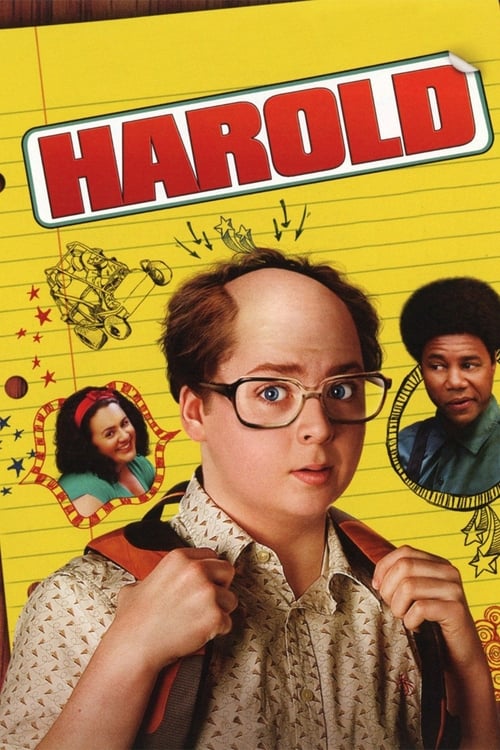

















Popular
What motivates Harold to change his appearance and how does it affect his relationships?
How does Harold's relationship with his parents influence his actions throughout the film?
What role does the character of the bully play in Harold's development?
How does Harold's friendship with his best friend evolve throughout the film?
What specific events lead to Harold's realization about self-acceptance?
Should I watch it?
Ask Your Own Question

What is the plot?
Sorry, we aren't able to watch and write up a full detailed plot yet. Check back in a few days.









What is the ending?
In the ending of the movie "Harold," Harold finally stands up for himself and confronts his bullies, leading to a moment of self-acceptance and empowerment. He gains the respect of his peers and finds a sense of belonging. The film concludes with Harold feeling more confident and content in his own skin.
As the climax of "Harold" unfolds, we find ourselves in the school auditorium, where the annual talent show is about to take place. Harold, who has been the target of relentless bullying throughout the film, is filled with a mix of anxiety and determination. He has decided to perform a stand-up comedy routine, a bold move that signifies his growth and willingness to confront his fears.
Scene by scene, the tension builds as Harold prepares backstage. He glances nervously at the audience, which includes his classmates, teachers, and his main bully, the popular kid named "Derek." Harold's internal struggle is palpable; he grapples with self-doubt but also feels a flicker of hope. His supportive friend, a quirky girl named "Eleanor," encourages him, reminding him that he has the talent to make people laugh.
As Harold steps onto the stage, the spotlight shines down on him, illuminating his figure and highlighting his vulnerability. The audience is initially silent, and he can feel the weight of their judgment. However, as he begins his routine, he finds his rhythm. He shares humorous anecdotes about his life, cleverly weaving in his experiences with bullying. The laughter from the audience starts to build, and Harold's confidence grows with each punchline.
In a pivotal moment, Harold directly addresses Derek, turning the tables on his bully. He makes a joke that resonates with the crowd, and they erupt in laughter, signaling a shift in power dynamics. Harold's bravery inspires others, and he begins to feel a sense of belonging that he has longed for throughout the film.
As the performance concludes, Harold receives a standing ovation. The applause is not just for his comedy but for his courage in standing up for himself. The moment is transformative; Harold realizes that he is not defined by the opinions of others. He walks off the stage with a newfound sense of self-worth, and Eleanor is there to celebrate his success.
In the aftermath of the talent show, we see the impact of Harold's performance on his relationships. Derek, who had been a source of torment, is visibly shaken by the shift in Harold's demeanor. Instead of continuing to bully him, Derek seems to reconsider his actions, hinting at a possible change in their dynamic. Harold's classmates, who once ignored him, now approach him with respect and admiration, inviting him into their circle.
The film closes with Harold and Eleanor walking home together, laughing and sharing stories. Harold's journey of self-acceptance culminates in this moment of connection, symbolizing his growth and the importance of friendship. The final shot captures Harold's smile, a reflection of his inner transformation and the realization that he is worthy of love and acceptance just as he is.
Is there a post-credit scene?
In the movie "Harold," produced in 2008, there is no post-credit scene. The film concludes without any additional scenes or content after the credits roll. The story wraps up with Harold finding acceptance and friendship, leaving the audience with a sense of closure regarding his journey and character development. The focus remains on the main narrative and the resolution of Harold's challenges throughout the film.
What motivates Harold to change his appearance and how does it affect his relationships?
Harold, a teenager who is overweight and bullied at school, is motivated to change his appearance after a series of humiliating experiences, including being the target of cruel jokes and feeling isolated from his peers. His desire to fit in and be accepted drives him to undergo a drastic transformation, which includes losing weight and adopting a new style. This change initially garners attention and admiration from his classmates, but it also complicates his relationships, particularly with his best friend, who feels neglected and betrayed by Harold's newfound popularity.
How does Harold's relationship with his parents influence his actions throughout the film?
Harold's relationship with his parents is strained, as they often focus on his weight and appearance rather than his feelings and aspirations. His mother, in particular, is overly concerned with his health and appearance, which adds pressure on Harold to conform to societal standards. This dynamic influences Harold's actions, as he seeks validation and acceptance outside of his home, leading him to make choices that prioritize fitting in over being true to himself.
What role does the character of the bully play in Harold's development?
The bully in Harold's life serves as a catalyst for his transformation. Initially, the bully's taunts and aggressive behavior reinforce Harold's insecurities and feelings of worthlessness. However, as Harold begins to change and gain confidence, he confronts the bully, which marks a significant turning point in his character development. This confrontation not only empowers Harold but also helps him realize that he can stand up for himself, ultimately leading to a more positive self-image.
How does Harold's friendship with his best friend evolve throughout the film?
Harold's friendship with his best friend is tested as Harold undergoes his transformation. Initially, they share a close bond, but as Harold becomes more focused on his appearance and popularity, he begins to neglect his friend. This shift creates tension and feelings of betrayal, as the best friend struggles with feelings of abandonment. Ultimately, the friendship evolves as they confront their issues, leading to a deeper understanding and reconciliation that emphasizes the importance of true friendship over superficial changes.
What specific events lead to Harold's realization about self-acceptance?
Harold's journey toward self-acceptance is marked by several key events, including the bullying he endures, the superficial friendships he forms after his transformation, and the eventual confrontation with his bully. A pivotal moment occurs when he realizes that the admiration he receives is based on his appearance rather than his true self. This realization, coupled with the support of his best friend and the rejection of the superficiality around him, leads Harold to embrace his identity and understand that self-acceptance is more valuable than fitting in.
Is this family friendly?
"Harold," produced in 2008, is generally considered a family-friendly film, but it does contain some elements that may be objectionable or upsetting for children or sensitive viewers. Here are a few aspects to consider:
-
Bullying: The film features scenes of bullying, where Harold, the main character, is targeted by his peers. This can be distressing for younger viewers who may relate to his experiences.
-
Body Image Issues: Harold is portrayed as an overweight teenager, and there are moments that highlight his struggles with self-esteem and acceptance, which could be sensitive topics for some viewers.
-
Family Dynamics: The film explores themes of family relationships, including tension and misunderstandings between Harold and his parents, which may resonate with children who have experienced similar issues.
-
Emotional Struggles: Harold faces various emotional challenges throughout the film, including feelings of isolation and the desire for acceptance, which may be heavy for younger audiences.
-
Mild Language: There are instances of mild profanity and crude humor that may not be suitable for all children.
Overall, while "Harold" has positive messages about friendship and self-acceptance, parents may want to consider these elements when deciding if it is appropriate for their children.