






Popular
What motivates Charles Darnay to return to France despite the dangers he faces?
How does Dr. Alexandre Manette's past influence his character throughout the story?
What role does Sydney Carton play in the lives of Lucie and Darnay?
What is the significance of Madame Defarge's character in the story?
How does the theme of resurrection manifest in the character of Sydney Carton?
Should I watch it?
Ask Your Own Question

What is the plot?
Sorry, we aren't able to watch and write up a full detailed plot yet. Check back in a few days.
More Movies Like This
Browse All Movies →





What is the ending?
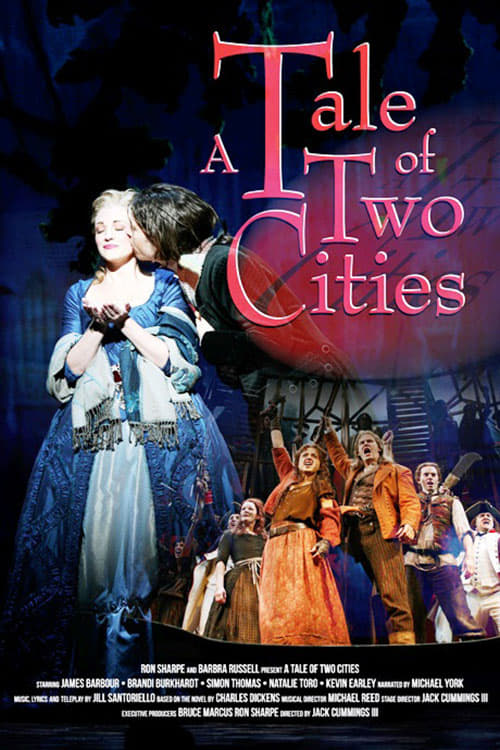
In the ending of "A Tale of Two Cities: In Concert," Sydney Carton sacrifices himself to save Charles Darnay, taking his place at the guillotine. As he faces his fate, he finds peace in his decision, reflecting on his love for Lucie Manette and the hope for a better future.
As the final scenes unfold, the atmosphere is heavy with tension and emotion. The stage is dimly lit, casting shadows that evoke the somber reality of the French Revolution. The audience can feel the weight of impending doom as Sydney Carton, portrayed with a deep sense of resolve, approaches the climax of his journey.
Scene by scene, the narrative begins with Sydney Carton visiting Darnay in his prison cell. Carton, who has long struggled with feelings of worthlessness and regret, reveals his plan to take Darnay's place. The air is thick with unspoken emotions as Carton expresses his admiration for Darnay and his love for Lucie. Darnay, initially confused and resistant, ultimately understands the gravity of Carton's sacrifice. The two men share a moment of profound connection, highlighting Carton's transformation from a disillusioned man to one filled with purpose.
Next, the scene shifts to the streets of Paris, where the chaos of the revolution is palpable. The sound of the crowd is deafening, filled with cries for justice and vengeance. Carton, disguised as Darnay, walks through the throngs of people, his heart heavy yet resolute. He reflects on his life, the choices he has made, and the love he holds for Lucie, which drives him to this ultimate act of redemption.
As Carton approaches the guillotine, the atmosphere becomes increasingly tense. The crowd is frenzied, and the executioner stands ready. In his final moments, Carton experiences a profound sense of peace. He envisions Lucie and their future together, even if it is only in his dreams. His thoughts are filled with hope for her happiness and the life she will lead with Darnay. The emotional weight of his sacrifice is palpable, as he whispers a final farewell to the world, embracing his fate with dignity.
The execution occurs swiftly, and Carton's life is extinguished. The stage darkens, and the music swells, capturing the tragedy of his sacrifice. The audience is left to reflect on the themes of love, redemption, and the power of selflessness.
In the aftermath, the narrative shifts to Lucie and Darnay, who are left to mourn the loss of Carton. They stand together, united in their grief but also in their understanding of the profound gift Carton has given them. Lucie, embodying compassion and strength, holds Darnay close, and they vow to honor Carton's memory by living a life filled with love and hope.
The final moments of the concert leave the audience with a poignant reminder of Carton's legacy. His last words resonate in the air, a testament to the enduring power of sacrifice and the belief that even in the darkest times, there is a glimmer of hope for a brighter future. The curtain falls, and the story concludes, leaving a lasting impact on all who have witnessed the tale of love, loss, and redemption.
Is there a post-credit scene?
The movie "A Tale of Two Cities: In Concert," produced in 2009, does not feature a post-credit scene. The film focuses on the musical adaptation of Charles Dickens' classic novel, presenting the story through a concert format that highlights the emotional depth and dramatic arcs of the characters. The narrative concludes with the resolution of the central themes of sacrifice, redemption, and the impact of revolution, leaving the audience with a poignant reflection on the characters' journeys without any additional scenes after the credits.
What motivates Charles Darnay to return to France despite the dangers he faces?
Charles Darnay, a French aristocrat who renounces his family's title, is motivated by a deep sense of responsibility and love for his wife, Lucie Manette. His desire to help those suffering in France and to confront his past drives him to return, even as he is aware of the risks involved.
How does Dr. Alexandre Manette's past influence his character throughout the story?
Dr. Manette's traumatic experience of being imprisoned in the Bastille for eighteen years profoundly affects his mental state and relationships. His initial state of confusion and his obsessive shoemaking reflect his struggle to reclaim his identity, while his eventual recovery showcases his resilience and the impact of love and family.
What role does Sydney Carton play in the lives of Lucie and Darnay?
Sydney Carton, a dissolute lawyer, becomes a pivotal figure in Lucie and Darnay's lives. Initially, he is portrayed as a tragic character burdened by regret and unfulfilled potential. His unrequited love for Lucie inspires him to seek redemption, ultimately leading to his self-sacrificial act that saves Darnay and secures Lucie's happiness.
What is the significance of Madame Defarge's character in the story?
Madame Defarge embodies the vengeful spirit of the revolution. Her relentless pursuit of justice for the wrongs inflicted upon her family drives her to compile a list of enemies, showcasing the darker side of revolutionary fervor. Her character represents the personal and collective trauma of the oppressed, and her actions highlight the themes of vengeance and the cycle of violence.
How does the theme of resurrection manifest in the character of Sydney Carton?
Sydney Carton's journey is one of personal resurrection. Initially seen as a wasted life, his transformation is catalyzed by his love for Lucie and his ultimate act of sacrifice. By choosing to die in Darnay's place, Carton redeems himself, finding purpose and meaning in his final moments, which symbolizes hope and the possibility of renewal even in the face of despair.
Is this family friendly?
"A Tale of Two Cities: In Concert" is a musical adaptation of Charles Dickens' classic novel, and while it is a powerful and moving story, it does contain some themes and scenes that may be considered objectionable or upsetting for children or sensitive viewers.
-
Violence and Revolution: The backdrop of the French Revolution includes scenes of mob violence and public executions, which may be distressing for younger audiences.
-
Death and Sacrifice: The themes of sacrifice and the consequences of oppression are central to the story, leading to moments of emotional intensity related to loss and death.
-
Imprisonment and Injustice: Characters experience wrongful imprisonment and the harsh realities of the justice system during the revolutionary period, which can be unsettling.
-
Emotional Turmoil: The characters undergo significant emotional struggles, including despair, betrayal, and the weight of past actions, which may be heavy for sensitive viewers.
-
Separation and Loss: The narrative explores themes of separation from loved ones and the pain of unfulfilled relationships, which could resonate deeply with some audiences.
Overall, while the musical is a poignant retelling of a classic story, its mature themes and emotional depth may require parental guidance for younger viewers.








