
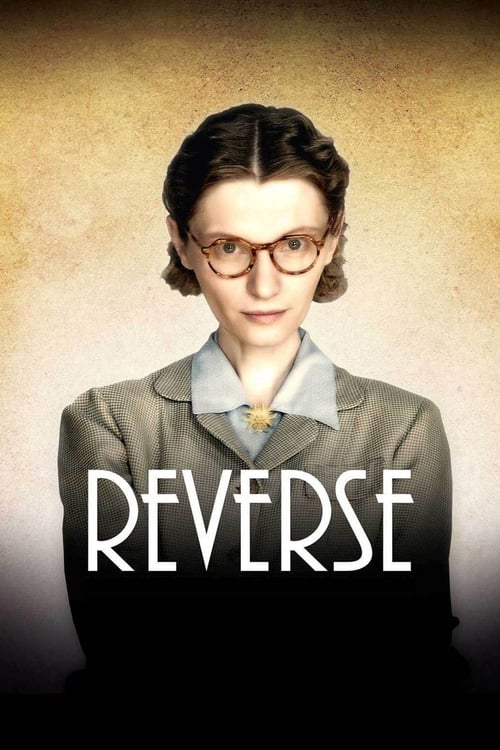






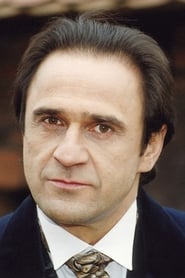


























Popular
How does the setting influence the events of the story?
What role does the antagonist play in the protagonist's journey?
What is the significance of the character's journey in Reverse?
How does the time loop affect the protagonist's relationships?
What are the key moments that lead to the protagonist's realization?
Should I watch it?
Ask Your Own Question

What is the plot?
Sorry, we aren't able to watch and write up a full detailed plot yet. Check back in a few days.


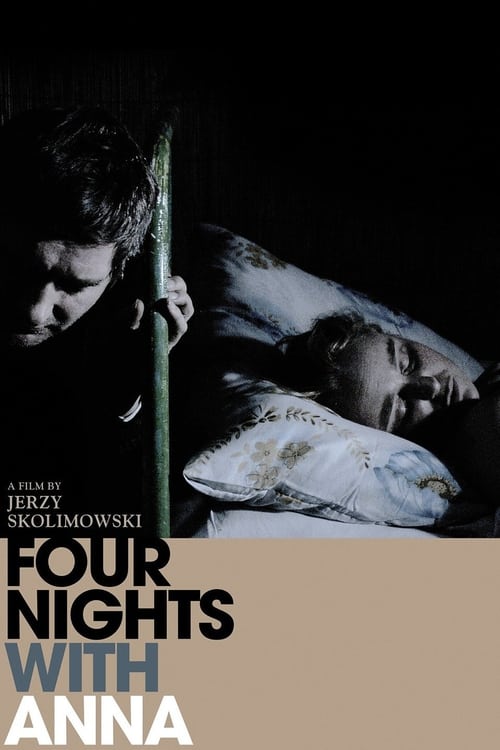
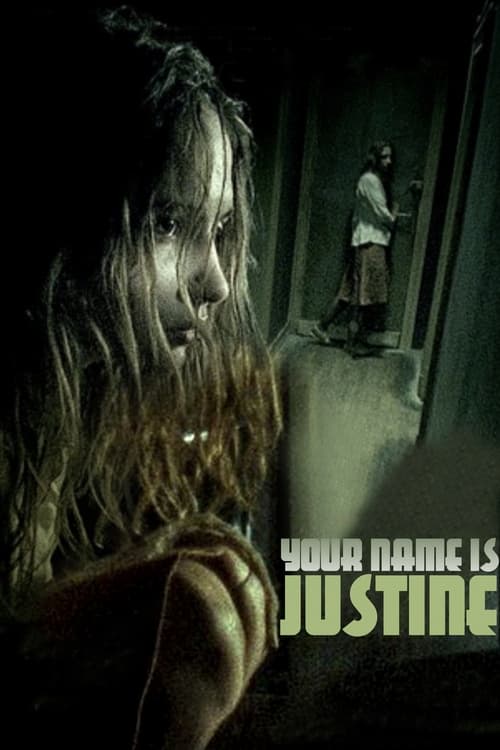


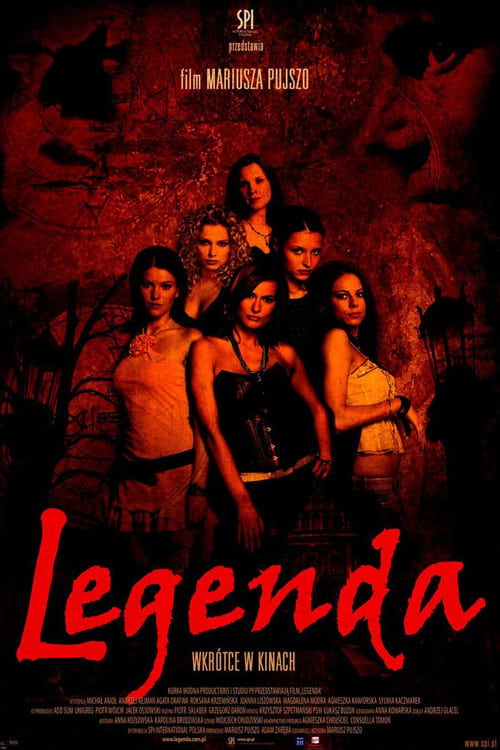

What is the ending?
In the ending of the movie "Reverse," the protagonist, a man named Jack, confronts the consequences of his actions as he faces a life-altering decision. The film culminates in a tense moment where Jack must choose between his past mistakes and the possibility of redemption. Ultimately, he makes a choice that leads to a significant transformation in his life, leaving the audience with a sense of hope for his future.
As the final scenes unfold, Jack stands at a crossroads, both literally and metaphorically. The weight of his past looms heavily over him, and he reflects on the choices that have led him to this moment. The atmosphere is thick with tension, and the cinematography captures the stark contrast between light and shadow, symbolizing the duality of his situation.
In a pivotal scene, Jack encounters a figure from his past, a woman named Sarah, who represents both his regrets and the potential for a new beginning. Their conversation is charged with emotion, as Jack grapples with feelings of guilt and longing. Sarah's presence serves as a catalyst for Jack's internal struggle, forcing him to confront the reality of his decisions.
As the dialogue unfolds, Jack's vulnerability is laid bare. He admits to his mistakes, revealing the pain he has caused not only to himself but to those around him. The camera lingers on his face, capturing the raw emotion as he seeks forgiveness and understanding. Sarah listens intently, her expression a mix of empathy and sorrow, reflecting the complexity of their shared history.
In the climax of the film, Jack makes a decisive choice. He steps away from the shadows of his past, symbolically moving towards the light. This moment is visually striking, as the sun breaks through the clouds, illuminating his path forward. The music swells, heightening the emotional impact of his decision.
The film concludes with Jack walking away from the scene, a sense of determination in his stride. The final shot captures him from behind, suggesting a journey of self-discovery and the possibility of redemption. The audience is left with a lingering sense of hope, as Jack embraces the unknown future ahead of him.
In terms of character fates, Jack emerges from the narrative with a renewed sense of purpose, while Sarah remains a poignant reminder of the past he must reconcile. The film closes on a note of ambiguity, leaving viewers to ponder the implications of Jack's choice and the journey that lies ahead.
Is there a post-credit scene?
The movie "Reverse," produced in 2009, does not contain a post-credit scene. The film concludes its narrative without any additional scenes or content after the credits roll. The story wraps up with a focus on the main character's journey and the resolution of the plot, leaving no further developments or surprises for the audience in the post-credit sequence.
How does the setting influence the events of the story?
The setting in Reverse is crucial as it reflects the protagonist's internal struggles. The locations, often familiar yet distorted due to the time loop, create a sense of disorientation and urgency. Each scene is meticulously crafted to evoke emotions tied to the protagonist's memories, enhancing the tension and highlighting the contrast between their past and present.
What role does the antagonist play in the protagonist's journey?
The antagonist serves as a catalyst for the protagonist's transformation. Their actions and motivations create obstacles that force the protagonist to confront their own flaws and insecurities. The antagonist embodies the consequences of the protagonist's past decisions, pushing them to reflect on their life choices and ultimately driving the narrative towards a resolution.
What is the significance of the character's journey in Reverse?
The character's journey in Reverse is significant as it explores themes of regret and redemption. The protagonist, who is caught in a time loop, must confront their past decisions and the consequences of their actions. This journey is marked by emotional turmoil as they relive moments that led to their current predicament, ultimately seeking a way to change their fate.
How does the time loop affect the protagonist's relationships?
The time loop profoundly affects the protagonist's relationships, as they repeatedly encounter the same people, including friends and family, under different circumstances. Each iteration reveals deeper layers of their connections, showcasing how unresolved issues and unspoken feelings impact their interactions. The protagonist's emotional state fluctuates as they grapple with the desire to change outcomes while facing the inevitability of their choices.
What are the key moments that lead to the protagonist's realization?
Key moments leading to the protagonist's realization include pivotal encounters with significant characters from their past, moments of introspection during the time loop, and the gradual unveiling of the consequences of their actions. These moments are laden with emotional weight, as the protagonist experiences flashes of clarity that challenge their previous beliefs and ultimately guide them towards acceptance and change.
Is this family friendly?
"Reverse," produced in 2009, is a psychological thriller that delves into themes of trauma, loss, and the complexities of human relationships. While it is not explicitly designed as a family-friendly film, it contains several elements that may be objectionable or upsetting for children or sensitive viewers.
-
Intense Emotional Scenes: The film features moments of deep emotional distress, including characters grappling with grief and loss, which may be difficult for younger audiences to process.
-
Violence and Threats: There are scenes that depict violence or the threat of violence, which can be unsettling. The tension created by these moments may evoke fear or anxiety.
-
Psychological Tension: The film explores psychological themes that may be disturbing, including manipulation and betrayal, which could be confusing or distressing for younger viewers.
-
Mature Themes: The narrative addresses adult themes such as infidelity, mental health struggles, and the impact of past traumas, which may not be suitable for children.
-
Dark Atmosphere: The overall tone of the film is dark and suspenseful, which may be overwhelming for sensitive individuals.
Due to these elements, "Reverse" may not be appropriate for children or those who are particularly sensitive to intense emotional or psychological content.









