







Popular
What challenges does the main character face in pursuing their passion?
What role does the skateboarding competition play in the story?
How does the relationship between The Kid and his mentor evolve throughout the film?
How do the supporting characters influence The Kid's journey?
What internal conflicts does The Kid experience throughout the film?
Should I watch it?
Ask Your Own Question

What is the plot?
Sorry, we aren't able to watch and write up a full detailed plot yet. Check back in a few days.





What is the ending?
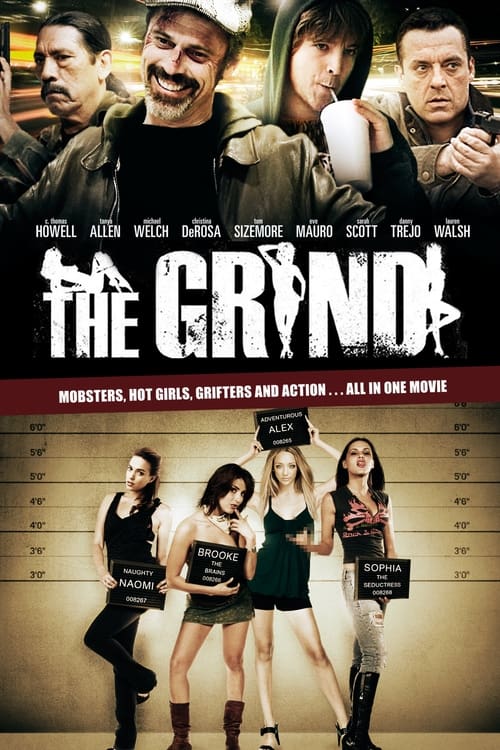
In the ending of "The Grind," the main characters face the culmination of their struggles and aspirations. The protagonist, a young skateboarder, achieves a significant personal victory, while the relationships among the characters evolve, leading to a sense of closure and hope for the future.
As the film progresses towards its conclusion, the skateboarder, who has been striving to prove himself and gain respect in the skateboarding community, finally faces his biggest challenge. He participates in a high-stakes skateboarding competition that has been the focal point of his journey. The tension builds as he prepares for his final run, showcasing his growth and determination.
In a pivotal moment, he executes a series of impressive tricks, demonstrating not only his skill but also his passion for the sport. The crowd's reaction is electric, and he feels a surge of confidence. This moment is not just about winning; it symbolizes his personal growth and the friendships he has forged along the way.
As the competition concludes, the skateboarder does not take first place, but he earns the respect of his peers and a newfound sense of self-worth. His friends, who have supported him throughout his journey, celebrate his achievements, reinforcing the theme of camaraderie and perseverance.
The film closes with a montage of the characters reflecting on their experiences, hinting at their future paths. The skateboarder, now more confident and self-assured, looks forward to new challenges, while his friends are shown pursuing their own dreams, united by the bond they have created through their shared experiences.
In the final scenes, the skateboarder stands at the edge of a skate park, looking out at the horizon, symbolizing hope and the endless possibilities that lie ahead.
As the film "The Grind" approaches its climax, the atmosphere is charged with anticipation. The skateboarder, our protagonist, is seen pacing nervously backstage at the skateboarding competition. The camera captures the beads of sweat on his forehead, the way his hands tremble slightly as he grips his skateboard. This moment is pivotal; it encapsulates his journey of self-discovery and the weight of expectations he feels from himself and his peers.
Scene by scene, the tension builds. The announcer's voice booms over the loudspeakers, calling the competitors to the ramp. The skateboarder takes a deep breath, recalling the support of his friends who have been with him through thick and thin. Their faces flash in his mind, each one representing a moment of encouragement, laughter, and shared dreams. This internal reflection reveals his emotional state--he is not just competing for a trophy; he is fighting for his identity and place within the skateboarding community.
As he steps onto the ramp, the crowd roars, a mix of familiar faces and strangers. The skateboarder feels a rush of adrenaline, a blend of fear and excitement coursing through him. He begins his run, executing a series of tricks that showcase his growth. The camera follows him closely, capturing the fluidity of his movements, the way he seems to dance with the board. Each trick he lands is met with cheers, and the energy of the crowd fuels his determination.
However, the competition is fierce. His main rival, a skilled and confident skateboarder, performs flawlessly, raising the stakes even higher. The skateboarder feels the pressure mounting, but he pushes through, channeling his emotions into his performance. He attempts a daring trick that he has practiced countless times, but in a moment of hesitation, he stumbles. The crowd gasps, and for a brief moment, despair washes over him.
Yet, in that moment of vulnerability, he remembers the support of his friends and the journey that brought him here. He regains his composure, finishes his run with a series of impressive tricks, and the crowd erupts in applause. Although he does not take first place, he receives a standing ovation, a testament to his hard work and resilience.
As the competition wraps up, the skateboarder stands with his friends, who rush to congratulate him. Their joy is palpable, and the bond they share is evident. They celebrate not just his performance but the journey they have all taken together. Each character reflects on their own growth, with the skateboarder realizing that the respect he sought was not solely about winning but about the connections he has forged along the way.
In the final moments, the skateboarder stands at the edge of the skate park, looking out at the horizon. The sun sets in the background, casting a warm glow over the scene. He smiles, filled with hope and determination for the future. His friends join him, and together they share a moment of camaraderie, ready to face whatever challenges lie ahead. The film closes on this uplifting note, emphasizing the themes of friendship, perseverance, and the pursuit of dreams.
Is there a post-credit scene?
In the movie "The Grind," produced in 2009, there is no post-credit scene. The film concludes its narrative without any additional scenes or content after the credits roll. The story wraps up with the main characters reflecting on their experiences and the lessons learned throughout their journey, leaving the audience with a sense of closure.
What challenges does the main character face in pursuing their passion?
The main character, a young aspiring skateboarder named 'The Kid', faces numerous challenges in pursuing his passion for skateboarding. He struggles with self-doubt and the pressure to conform to societal expectations. Additionally, he encounters physical obstacles, such as injuries and the competitive nature of the skateboarding scene, which tests his determination and resilience.
What role does the skateboarding competition play in the story?
The skateboarding competition serves as a crucial turning point in the story, representing both a physical and emotional climax for The Kid. It is not just a test of skill but also a moment of self-discovery. The pressure of the competition forces The Kid to confront his fears and insecurities, ultimately leading to a transformative experience that shapes his identity as a skateboarder.
How does the relationship between The Kid and his mentor evolve throughout the film?
The relationship between The Kid and his mentor, an experienced skateboarder named 'The Legend', evolves from one of skepticism to mutual respect. Initially, The Kid is unsure of The Legend's methods and motivations, but as he learns from him, he begins to appreciate the wisdom and experience that The Legend offers. This mentorship becomes a pivotal part of The Kid's growth, both as a skateboarder and as an individual.
How do the supporting characters influence The Kid's journey?
The supporting characters, including The Kid's friends and fellow skateboarders, play significant roles in shaping his journey. They provide camaraderie, encouragement, and sometimes rivalry, which push him to improve. Each character brings a unique perspective on skateboarding and life, helping The Kid navigate his challenges and reinforcing the theme of friendship and community within the skateboarding culture.
What internal conflicts does The Kid experience throughout the film?
Throughout the film, The Kid experiences internal conflicts related to his self-worth and the fear of failure. He grapples with the desire to prove himself to his peers and the pressure to succeed in the competitive skateboarding world. These conflicts manifest in moments of doubt and frustration, but ultimately drive him to confront his limitations and strive for personal growth.
Is this family friendly?
"The Grind," produced in 2009, is a film that revolves around the world of skateboarding and the challenges faced by its characters. While it has a youthful and energetic vibe, there are several aspects that may not be considered family-friendly.
-
Language: The film contains instances of strong language, which may not be suitable for younger audiences.
-
Substance Use: There are scenes that depict the use of alcohol and possibly drugs, which could be concerning for sensitive viewers.
-
Violence: Some scenes may include physical confrontations or skateboarding accidents that could be intense or upsetting.
-
Themes of Rebellion: The film explores themes of rebellion and defiance, which might not resonate well with all families.
-
Emotional Struggles: Characters face personal challenges and emotional turmoil, which could be heavy for younger viewers to process.
Overall, while "The Grind" captures the spirit of youth and skate culture, it contains elements that may not be appropriate for children or sensitive individuals.







