

















Popular
What motivates Haruka to search for her lost mother in Oblivion Island?
Who is the character of the fox-like creature, and what role does he play in Haruka's journey?
What is the significance of the magic mirror in the story?
How does Haruka's relationship with her father evolve throughout the film?
What challenges does Haruka face on Oblivion Island, and how do they impact her character development?
Should I watch it?
Ask Your Own Question

What is the plot?
Sorry, we aren't able to watch and write up a full detailed plot yet. Check back in a few days.
More Movies Like This
Browse All Movies →


What is the ending?
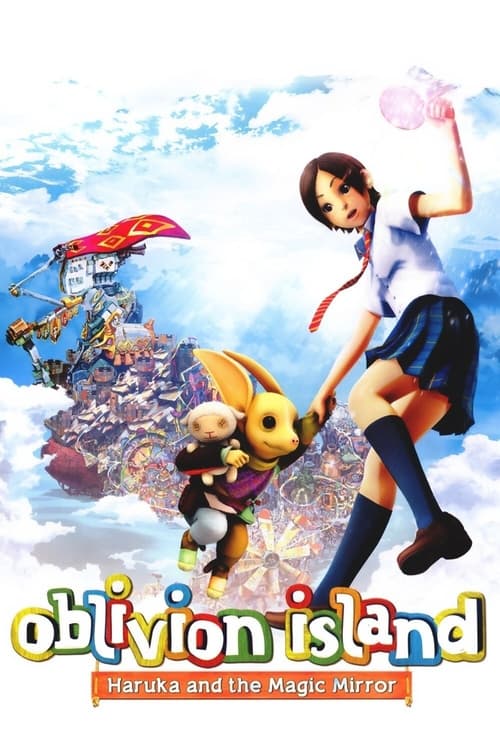
In the ending of "Oblivion Island: Haruka and the Magic Mirror," Haruka confronts the truth about her past and the importance of her memories. She ultimately decides to let go of her desire to retrieve her lost memories, realizing that they are a part of her but do not define her. The film concludes with Haruka returning to the real world, having grown emotionally and learned to cherish her present.
As the climax of the story unfolds, Haruka finds herself in the heart of Oblivion Island, a fantastical realm filled with lost objects and memories. She is determined to retrieve her beloved magic mirror, which holds the memories of her late mother. The island is inhabited by whimsical creatures, including the mischievous spirit known as the "Mikoshi," who has taken her mirror.
In a pivotal scene, Haruka confronts the Mikoshi, who reveals the truth about the mirror's power. It is not merely a vessel for memories but a representation of her longing and grief. As Haruka grapples with her emotions, she realizes that clinging to the past is preventing her from moving forward. The Mikoshi, who has been a trickster throughout the film, begins to show signs of understanding and empathy towards Haruka's plight.
As the confrontation escalates, Haruka's determination shines through. She expresses her desire to let go of the mirror, acknowledging that her mother's love will always be a part of her, regardless of the physical object. This moment of clarity transforms the Mikoshi, who begins to change from a mischievous spirit into a more benevolent figure, reflecting Haruka's growth and acceptance.
In the final moments, Haruka makes the choice to leave the mirror behind, symbolizing her acceptance of loss and her readiness to embrace the future. The Mikoshi, touched by her decision, grants her a farewell gift--a small token that represents her memories without the burden of holding onto them.
As Haruka returns to the real world, she is filled with a sense of peace and resolution. The vibrant colors of Oblivion Island fade away, and she finds herself back in her room, surrounded by the warmth of her current life. The film closes with Haruka looking out at the world with newfound hope, ready to create new memories while cherishing the love of her mother in her heart.
The fate of the main characters is significant: Haruka emerges as a stronger individual, having learned to balance her past with her present. The Mikoshi, once a trickster, evolves into a guardian of memories, reflecting the importance of understanding and letting go. The ending encapsulates the film's themes of memory, loss, and the journey toward emotional maturity.
Is there a post-credit scene?
In "Oblivion Island: Haruka and the Magic Mirror," there is no post-credit scene. The film concludes with a sense of resolution as Haruka returns to her world after her adventure in the magical realm of Oblivion Island. The story wraps up the character arcs and themes of memory, loss, and the importance of cherishing one's past, leaving the audience with a feeling of closure. The focus remains on Haruka's journey and her emotional growth throughout the film, rather than extending the narrative with additional scenes after the credits.
What motivates Haruka to search for her lost mother in Oblivion Island?
Haruka is driven by a deep sense of longing and loss for her mother, who disappeared when she was a child. This emotional void propels her to seek answers and closure, leading her to the magical realm of Oblivion Island, where she hopes to find her mother and understand the circumstances of her disappearance.
Who is the character of the fox-like creature, and what role does he play in Haruka's journey?
The fox-like creature, known as the 'Mitsumata,' serves as both a guide and a companion to Haruka on her journey through Oblivion Island. He is mischievous yet loyal, helping Haruka navigate the challenges of the island while also providing comic relief. His character embodies the themes of friendship and loyalty, as he supports Haruka in her quest to find her mother.
What is the significance of the magic mirror in the story?
The magic mirror is a pivotal object in the narrative, representing both Haruka's connection to her past and the memories of her mother. It holds the power to reveal truths and unlock hidden emotions, serving as a catalyst for Haruka's growth and understanding of her own identity. The mirror's ability to reflect not just images but also feelings underscores its importance in Haruka's journey.
How does Haruka's relationship with her father evolve throughout the film?
Initially, Haruka feels a sense of distance from her father, who is consumed by his work and struggles to connect with her emotionally. As Haruka embarks on her adventure in Oblivion Island, she begins to understand her father's grief over her mother's disappearance. This journey ultimately leads to a reconciliation, as both characters learn to communicate their feelings and support each other in their shared loss.
What challenges does Haruka face on Oblivion Island, and how do they impact her character development?
On Oblivion Island, Haruka encounters various challenges, including navigating treacherous landscapes, facing the guardians of the island, and confronting her own fears and insecurities. Each obstacle forces her to grow stronger and more resilient, ultimately transforming her from a passive girl into a determined young woman. These experiences teach her about courage, the importance of memories, and the value of moving forward while honoring the past.
Is this family friendly?
"Oblivion Island: Haruka and the Magic Mirror" is generally considered family-friendly, but there are a few scenes and themes that might be potentially objectionable or upsetting for younger children or sensitive viewers.
-
Loss and Grief: The protagonist, Haruka, deals with the loss of her mother, which is a central theme of the story. This may evoke feelings of sadness or discomfort in children who have experienced similar losses.
-
Dark Imagery: The Oblivion Island itself has a somewhat eerie and surreal atmosphere, with dark landscapes and strange creatures that might be unsettling for younger viewers.
-
Conflict and Danger: There are moments of tension and conflict, including encounters with antagonistic characters that may create a sense of fear or anxiety.
-
Emotional Struggles: Haruka faces emotional challenges and moments of despair as she navigates her journey, which could be intense for sensitive viewers.
-
Themes of Abandonment: The idea of being forgotten or abandoned, as represented by the lost objects and the inhabitants of Oblivion Island, may resonate deeply and could be distressing for some children.
Overall, while the film contains valuable themes of friendship, courage, and self-discovery, parents may want to consider these elements when deciding if it is suitable for their children.







