


Popular
Who are the main characters in The Emperor's New Clothes?
What motivates the Emperor to believe in the swindlers' invisible clothes?
How do the swindlers deceive the Emperor and the townspeople?
What role does the young boy play in the story?
How does the Emperor react when he realizes he has been tricked?
Should I watch it?
Ask Your Own Question

What is the plot?
Sorry, we aren't able to watch and write up a full detailed plot yet. Check back in a few days.
More Movies Like This
Browse All Movies →


What is the ending?
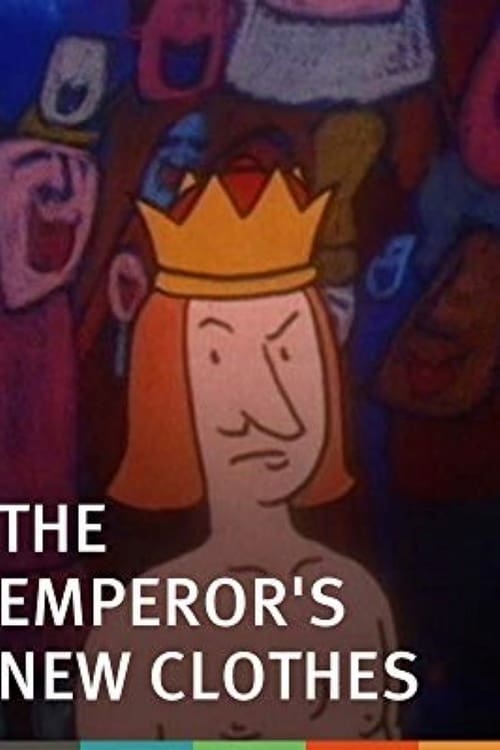
In the ending of "The Emperor's New Clothes," the Emperor realizes that he has been deceived by the weavers and that he has been parading through the streets in his underwear. The townspeople, initially too afraid to speak out, finally voice their laughter and disbelief. The Emperor, humiliated but ultimately enlightened, acknowledges his foolishness. The film concludes with the Emperor vowing to be more cautious and wise in the future.
Now, let's delve into the ending in a more detailed narrative fashion.
As the story reaches its climax, the Emperor, adorned in what he believes to be magnificent new clothes, steps out onto the balcony of his palace. The sun shines brightly, casting a warm glow on the crowd gathered below, filled with anticipation and admiration. The Emperor, filled with pride and a sense of superiority, parades through the streets, convinced of his grandeur. The townspeople, however, are caught in a web of fear and confusion. They have been told that only the wise can see the Emperor's new clothes, and so they feign admiration, clapping and cheering, even as they struggle to suppress their laughter.
As the Emperor continues his procession, a small child in the crowd, innocent and untainted by the fear that grips the adults, shouts out, "But he isn't wearing anything at all!" The words echo through the streets, cutting through the facade that has been built around the Emperor's vanity. The crowd falls silent for a moment, and then a ripple of laughter begins to spread. The townspeople, emboldened by the child's honesty, join in, their laughter growing louder and more infectious.
The Emperor, initially taken aback, feels a wave of humiliation wash over him. He looks down at himself, realizing the truth of the child's words. The weight of his vanity and the deception of the weavers crash down upon him. In that moment, he understands that he has been a fool, blinded by his desire to appear wise and superior. The realization is painful, and he feels exposed, stripped of his dignity.
Despite the laughter surrounding him, the Emperor stands tall, though his heart is heavy. He acknowledges his mistake, a mix of shame and newfound clarity in his eyes. The townspeople, witnessing this transformation, begin to see him not just as a ruler but as a flawed human being capable of growth. The Emperor vows to learn from this experience, promising to be more discerning and wise in the future.
As the scene fades, the Emperor walks back into the palace, his head held high but his heart humbled. The weavers, who had spun their deceit, are nowhere to be found, having vanished with their ill-gotten gains. The townspeople, now liberated from their fear, begin to discuss the importance of honesty and the dangers of vanity. The child who spoke the truth becomes a symbol of innocence and courage, reminding everyone that sometimes, it takes a child to reveal the truth.
In the end, the Emperor's journey is one of self-discovery. He learns that true wisdom comes not from appearances but from understanding and humility. The townspeople, too, are changed by the experience, realizing the power of truth and the importance of speaking out against deception. The film closes on a note of hope, suggesting that even those in power can learn and grow from their mistakes.
Is there a post-credit scene?
The Emperor's New Clothes, produced in 1992, does not have a post-credit scene. The film concludes with the resolution of the story, focusing on the themes of vanity, deception, and the importance of honesty. After the climax, where the emperor realizes the truth about his supposed new clothes, the narrative wraps up without any additional scenes or content following the credits. The ending emphasizes the moral lessons learned by the characters, particularly the emperor, and leaves the audience with a sense of closure.
Who are the main characters in The Emperor's New Clothes?
The main characters in The Emperor's New Clothes include the Emperor, who is obsessed with fashion and appearances; the two swindlers, who pretend to create invisible clothes; and a young boy who ultimately reveals the truth about the Emperor's new clothes.
What motivates the Emperor to believe in the swindlers' invisible clothes?
The Emperor is motivated by his vanity and desire to appear wise and discerning. He fears being seen as unfit for his position, so he chooses to believe in the swindlers' claims rather than admit he cannot see the clothes.
How do the swindlers deceive the Emperor and the townspeople?
The swindlers deceive the Emperor and the townspeople by claiming that the clothes they are making are invisible to anyone who is incompetent or unworthy. This clever ruse plays on the fears and insecurities of the Emperor and his subjects.
What role does the young boy play in the story?
The young boy plays a crucial role as the voice of innocence and truth. He is the first to openly declare that the Emperor is not wearing any clothes, highlighting the absurdity of the situation and prompting others to acknowledge the truth.
How does the Emperor react when he realizes he has been tricked?
When the Emperor realizes he has been tricked, he experiences a mix of embarrassment and anger. However, he ultimately chooses to maintain his dignity and continues to parade through the streets, demonstrating his unwillingness to admit his folly.
Is this family friendly?
The Emperor's New Clothes (1992) is generally considered family-friendly, but there are a few elements that might be potentially objectionable or upsetting for children or sensitive viewers:
-
Themes of Deception: The story revolves around themes of deception and manipulation, which may be confusing or unsettling for younger viewers who may not fully grasp the implications of dishonesty.
-
Emotional Conflict: Characters experience moments of anxiety and distress, particularly related to the emperor's vanity and the consequences of his actions. This emotional turmoil might be intense for some children.
-
Social Commentary: The film includes critiques of societal norms and the consequences of pride, which may be heavy themes for younger audiences to understand.
-
Visual Imagery: There are scenes depicting the emperor in a vulnerable state, which may evoke feelings of embarrassment or discomfort.
Overall, while the film is suitable for a family audience, these elements may require parental guidance for younger viewers.









