
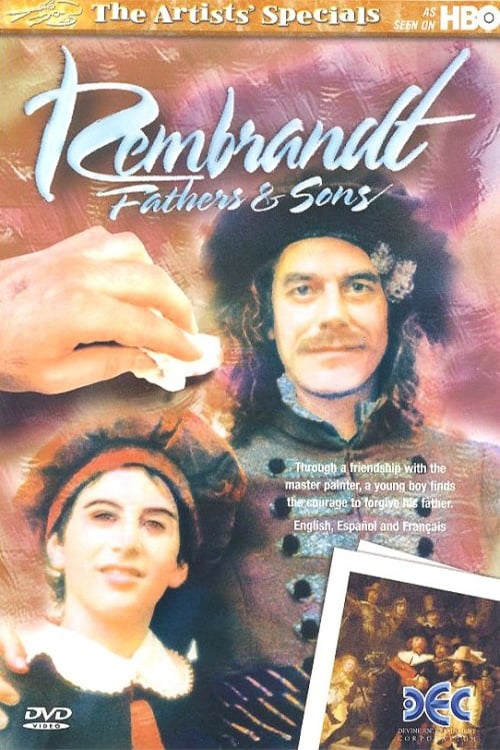







Popular
What is the relationship between Rembrandt and his son Titus in the film?
How does the film depict Rembrandt's relationship with his wife Saskia?
What role does the character of Hendrickje play in Rembrandt's life?
How does the film portray the impact of financial struggles on Rembrandt's family?
What is the significance of Rembrandt's paintings in the film?
Should I watch it?
Ask Your Own Question

What is the plot?
Sorry, we aren't able to watch and write up a full detailed plot yet. Check back in a few days.





What is the ending?
In the ending of "Rembrandt: Fathers & Sons," the film culminates in a poignant reflection on the relationships between fathers and sons, particularly focusing on the legacy of the artist Rembrandt and his complex relationship with his son, Titus. The film concludes with a sense of reconciliation and understanding, as the characters come to terms with their past and the impact of their choices.
As the final scenes unfold, Rembrandt is seen grappling with the loss of his wife, Saskia, and the challenges of raising his son, Titus, in a world that has turned against him. The emotional weight of his struggles is palpable, as he reflects on his life and the legacy he wishes to leave behind. Titus, who has been a source of both pride and pain for Rembrandt, begins to forge his own identity, stepping out from his father's shadow while still seeking his approval.
The film closes with a sense of bittersweet acceptance, as Rembrandt acknowledges the passage of time and the inevitability of change. The bond between father and son is tested but ultimately strengthened, leaving viewers with a lingering sense of hope for the future.
As the film approaches its conclusion, the atmosphere is heavy with the weight of Rembrandt's past. The scene opens in Rembrandt's dimly lit studio, where the remnants of his once-thriving career are scattered about. The canvases, some unfinished, reflect the turmoil of his life. Rembrandt, now an older man, is seen hunched over a painting, his brush strokes filled with both desperation and passion. The shadows in the room seem to echo his internal struggles, as he battles with the memories of his late wife, Saskia, and the financial ruin that has befallen him.
In the next scene, we find Titus, now a young man, standing at a crossroads. He is torn between his loyalty to his father and his desire to carve out his own path. The tension between them is palpable; Rembrandt's expectations weigh heavily on Titus, who feels the pressure of living up to his father's legacy. The dialogue is sparse but charged, filled with unspoken words and emotions. Titus expresses his frustration, yearning for independence, while Rembrandt, in his own way, tries to impart wisdom, revealing his fears of losing his son to the world outside.
As the narrative unfolds, we witness a pivotal moment when Rembrandt decides to paint a portrait of Titus. This act becomes a symbol of their relationship--a blend of love, conflict, and the desire for connection. The painting session is filled with tension, but also moments of tenderness. Rembrandt's brush captures not just the likeness of his son, but the essence of their bond. As he paints, he reflects on his own failures and successes, revealing his vulnerability and the depth of his love for Titus.
The climax of the film occurs during a heated argument between father and son. Emotions boil over as Titus confronts Rembrandt about his choices, the burden of their shared history, and the expectations that have suffocated him. Rembrandt, in turn, reveals his own fears of abandonment and the pain of losing those he loves. This confrontation serves as a cathartic release for both characters, allowing them to express their grievances and ultimately find common ground.
In the final scenes, the atmosphere shifts to one of reconciliation. Rembrandt, now more at peace with his past, acknowledges the importance of letting go. He understands that Titus must forge his own identity, separate from his father's shadow. The two share a quiet moment, filled with unspoken understanding, as they look at the portrait Rembrandt has created. It stands as a testament to their journey--a blend of struggle, love, and acceptance.
The film concludes with a poignant image of Rembrandt standing alone in his studio, surrounded by his paintings. The light filtering through the window casts a warm glow, symbolizing hope and renewal. As he gazes at the portrait of Titus, a sense of pride washes over him. He realizes that while their paths may diverge, the bond they share will endure. The final shot lingers on Rembrandt's face, a mixture of sorrow and contentment, as he embraces the legacy he has created--not just as an artist, but as a father.
In the end, Rembrandt's journey reflects the complexities of familial relationships, the struggles of artistic expression, and the enduring power of love. Each character, particularly Rembrandt and Titus, emerges transformed, having navigated the tumultuous waters of their relationship, ultimately finding a way to honor their shared history while embracing their individual futures.
Is there a post-credit scene?
The movie "Rembrandt: Fathers & Sons," produced in 1999, does not contain a post-credit scene. The film concludes its narrative without any additional scenes or content after the credits roll. The focus remains on the life and struggles of the renowned painter Rembrandt van Rijn, particularly his relationships with his sons and the impact of his art on his personal life. The ending encapsulates the emotional and thematic elements of the story, leaving the audience with a poignant reflection on family, legacy, and the passage of time.
What is the relationship between Rembrandt and his son Titus in the film?
In 'Rembrandt: Fathers & Sons', the relationship between Rembrandt and his son Titus is central to the narrative. Titus is portrayed as a source of both pride and pain for Rembrandt. The film explores their bond, highlighting Rembrandt's deep love for his son, juxtaposed with the struggles they face due to financial difficulties and societal pressures. As Rembrandt's career wanes, Titus becomes a symbol of hope and continuity, yet also embodies the weight of Rembrandt's expectations.
How does the film depict Rembrandt's relationship with his wife Saskia?
The film presents Rembrandt's relationship with his wife Saskia as a complex mix of love, admiration, and eventual sorrow. Initially, their marriage is filled with warmth and mutual support, as Saskia encourages Rembrandt's artistic endeavors. However, after her untimely death, the emotional toll on Rembrandt is profound, leading to a deep sense of loss and isolation. The film captures the tenderness of their early relationship and the devastating impact of her absence on Rembrandt's life and work.
What role does the character of Hendrickje play in Rembrandt's life?
Hendrickje, who becomes Rembrandt's partner after Saskia's death, plays a significant role in his emotional and artistic life. She is depicted as a muse and a source of comfort for Rembrandt, helping him navigate his grief and the challenges of his declining career. Their relationship is marked by both passion and societal scrutiny, as Hendrickje faces judgment for being a model and companion to the once-great artist. Her presence in the film highlights themes of love, loyalty, and the complexities of personal relationships in the face of public opinion.
How does the film portray the impact of financial struggles on Rembrandt's family?
The film vividly illustrates the financial struggles faced by Rembrandt and his family, showcasing the stark contrast between his earlier success and later hardships. As commissions dwindle and debts mount, the emotional strain on Rembrandt becomes palpable. Scenes depict the tension within the household, as financial insecurity leads to arguments and despair. This struggle not only affects Rembrandt's artistic output but also his relationships with Titus and Hendrickje, emphasizing the broader theme of how economic pressures can fracture familial bonds.
What is the significance of Rembrandt's paintings in the film?
In 'Rembrandt: Fathers & Sons', Rembrandt's paintings serve as a powerful narrative device, reflecting his inner turmoil and the evolution of his character. Each artwork is imbued with emotional depth, capturing moments of joy, sorrow, and introspection. The film highlights specific paintings, such as 'The Night Watch' and 'The Jewish Bride', using them to symbolize Rembrandt's struggles with identity, legacy, and the passage of time. The act of painting becomes a means of coping for Rembrandt, allowing viewers to witness his artistic genius alongside his personal battles.
Is this family friendly?
"Rembrandt: Fathers & Sons" is a biographical drama that delves into the life of the renowned painter Rembrandt van Rijn and his relationships, particularly with his sons. While the film is rich in artistic and historical context, it does contain some elements that may be considered objectionable or upsetting for children or sensitive viewers.
-
Death and Grief: The film explores themes of loss, particularly the death of Rembrandt's children, which is depicted with emotional weight. Scenes of mourning and the impact of these losses on the family may be distressing.
-
Financial Struggles: Rembrandt faces significant financial difficulties, leading to scenes that depict poverty and the stress it places on family dynamics. This may be unsettling for younger viewers.
-
Conflict and Tension: There are moments of conflict between Rembrandt and his sons, showcasing strained relationships and emotional turmoil. The intensity of these interactions may be challenging for sensitive audiences.
-
Historical Context: The film portrays the harsh realities of 17th-century life, including societal pressures and the struggles of an artist, which may be difficult for some viewers to process.
-
Artistic Themes: The film includes discussions of art that may touch on themes of mortality and the human condition, which could be complex for younger audiences to fully grasp.
Overall, while the film is a poignant exploration of family and artistry, its emotional depth and historical context may not be suitable for all children or sensitive viewers.









