

Popular
What significant events lead to the climax of the film?
What are the main challenges faced by the protagonist during the war in Afghanistan?
How does the relationship between the soldier and the local Afghan people evolve throughout the film?
What role does the soldier's backstory play in his actions during the conflict?
How does the film portray the impact of war on the soldier's mental health?
Should I watch it?
Ask Your Own Question

What is the plot?
Sorry, we aren't able to watch and write up a full detailed plot yet. Check back in a few days.







What is the ending?
In the ending of "Scars of Afghanistan," the main characters confront the harsh realities of their experiences in the war-torn country. The film concludes with a somber reflection on the impact of war, as the characters grapple with their trauma and the scars--both physical and emotional--that they carry with them.
As the film approaches its conclusion, the narrative unfolds in a series of poignant scenes.
The first scene shows the protagonist, a soldier named Sam, returning home after his deployment. He steps off the plane, his face a mixture of relief and deep-seated sorrow. The bustling airport is filled with joyful reunions, but Sam feels isolated, haunted by memories of his time in Afghanistan. He watches families embrace, and his expression reveals a longing for connection that he struggles to feel.
In the next scene, Sam visits a support group for veterans. The room is filled with men and women sharing their stories, each grappling with their own demons. As Sam listens, he feels a sense of camaraderie but also a profound sadness. He shares a brief account of his experiences, his voice trembling as he recounts the loss of his friend during a mission. The weight of his grief is palpable, and the other veterans nod in understanding, their own scars visible in their eyes.
The film then shifts to a scene with Sam's family. They sit around the dinner table, the atmosphere strained. Sam's mother tries to engage him in conversation, but he struggles to articulate his feelings. His father, concerned but unsure how to help, attempts to lighten the mood with jokes, but Sam's silence hangs heavy in the air. The disconnect between Sam and his family is stark, highlighting the chasm that war has created in his life.
In a pivotal moment, Sam visits the memorial for fallen soldiers. The camera captures his somber expression as he places a flower at the base of the monument. He stands in silence, reflecting on the lives lost and the sacrifices made. This moment serves as a cathartic release for him, as he finally allows himself to grieve openly.
The final scenes depict Sam beginning to seek help. He attends therapy sessions, where he learns to confront his trauma. The process is slow and painful, but there is a glimmer of hope as he starts to open up about his experiences. The film closes with Sam walking through a park, the sun shining down on him. He takes a deep breath, a small smile breaking through as he watches children play. This moment signifies a tentative step towards healing, though the scars of his past remain.
As the credits roll, the audience is left with a sense of the ongoing struggle faced by veterans. Sam's journey reflects the broader themes of loss, resilience, and the long-lasting effects of war, emphasizing that while the physical battles may end, the emotional scars endure. Each character's fate is intertwined with the realities of their experiences, leaving a lasting impact on their lives and relationships.
Is there a post-credit scene?
"Scars of Afghanistan," produced in 2006, does not feature a post-credit scene. The film concludes its narrative without any additional scenes or content after the credits roll. The focus remains on the emotional and physical toll of war, leaving the audience to reflect on the experiences and struggles of the characters presented throughout the film.
What significant events lead to the climax of the film?
The climax is built upon a series of escalating tensions, including a failed mission that results in civilian casualties, which deeply affects the soldier. This is followed by a critical moment where he must choose between following orders or saving a group of trapped civilians. The culmination of these events forces him to confront his beliefs about duty and morality, leading to a pivotal decision that defines his character arc.
What are the main challenges faced by the protagonist during the war in Afghanistan?
The protagonist, a soldier, faces numerous challenges including the harsh terrain of Afghanistan, the constant threat of ambush from insurgents, and the emotional toll of witnessing the suffering of civilians caught in the crossfire. His internal struggle is compounded by the moral dilemmas he encounters, as he grapples with the impact of his actions on innocent lives.
How does the relationship between the soldier and the local Afghan people evolve throughout the film?
Initially, the soldier views the local Afghan people with suspicion and detachment, seeing them primarily as potential threats. However, as the story progresses, he begins to form connections with some civilians, understanding their plight and recognizing their humanity. This evolution is marked by poignant moments of empathy, where he helps a wounded child, leading to a deeper appreciation of their culture and struggles.
What role does the soldier's backstory play in his actions during the conflict?
The soldier's backstory reveals a traumatic childhood marked by loss and violence, which shapes his perspective on war and conflict. His experiences drive him to protect the innocent, but they also create a conflict within him, as he battles feelings of anger and helplessness. This backstory is crucial in understanding his motivations and the emotional weight he carries throughout the film.
How does the film portray the impact of war on the soldier's mental health?
The film vividly depicts the soldier's descent into PTSD as he grapples with the horrors of war. Scenes of flashbacks, nightmares, and moments of isolation illustrate his struggle with anxiety and guilt. The portrayal is raw and unflinching, showing how the trauma of combat affects not only his ability to function but also his relationships with fellow soldiers and loved ones.
Is this family friendly?
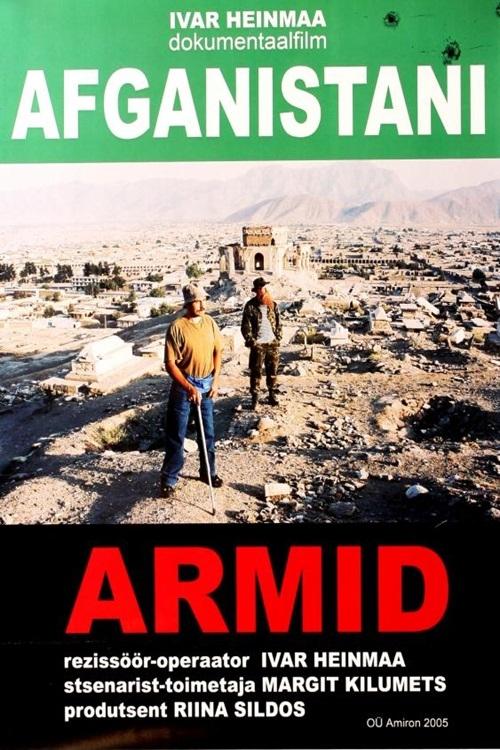
"Scars of Afghanistan," produced in 2006, is a documentary that delves into the impact of war on the Afghan people, particularly focusing on the aftermath of the Soviet invasion and the subsequent conflicts. Given its subject matter, the film is not considered family-friendly for younger audiences or sensitive viewers.
Potentially objectionable or upsetting aspects include:
-
Graphic War Footage: The film contains real footage of war, including scenes of destruction and violence that may be distressing.
-
Depictions of Suffering: There are emotional interviews and visuals showing the suffering of civilians, including children affected by the conflict, which can be heart-wrenching.
-
Themes of Loss and Trauma: The documentary explores deep themes of loss, trauma, and the long-term effects of war on individuals and families, which may be difficult for sensitive viewers to process.
-
Displacement and Refugee Experiences: The film portrays the plight of refugees and internally displaced persons, highlighting their struggles and hardships, which can be upsetting.
-
Emotional Testimonies: Personal stories from survivors may evoke strong emotional responses, as they recount their experiences of violence and loss.
Overall, the film's serious and often harrowing content makes it more suitable for mature audiences who can engage with its heavy themes.








