








Popular
What motivates the character Billy to take the risks he does throughout the film?
How does the relationship between Billy and his partner, Detective Mike, evolve during the film?
What role does the character of the mobster play in the plot?
How does the film depict the consequences of Billy's actions on his family?
What is the significance of the chase scenes in the film?
Should I watch it?
Ask Your Own Question

What is the plot?
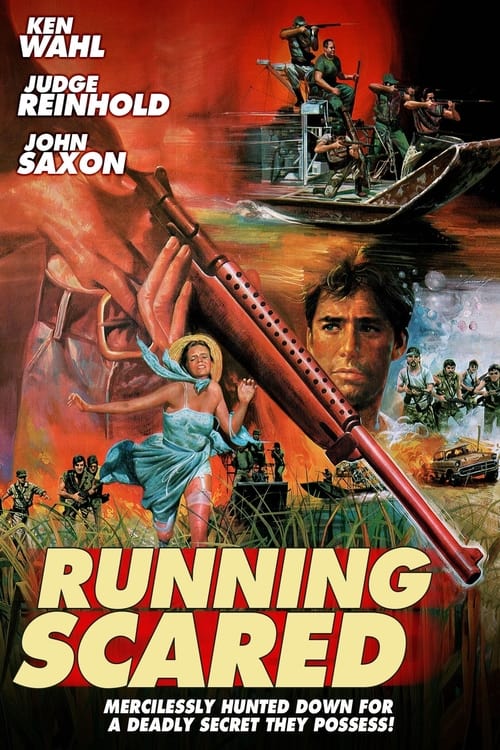
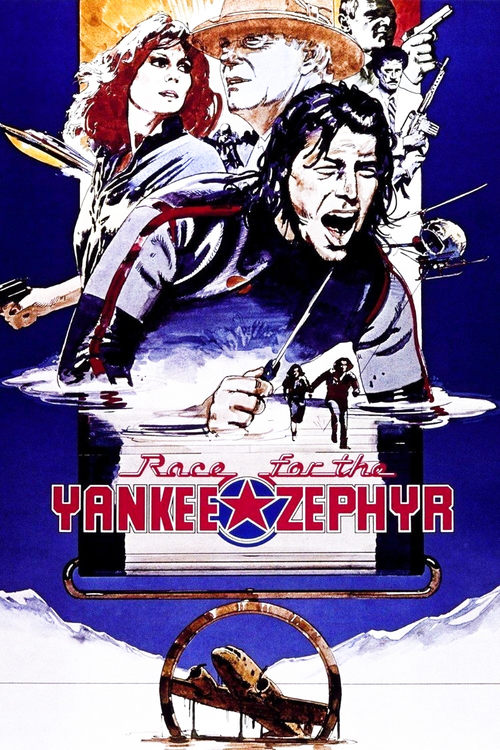
In the tense early months of 1961, just after the Bay of Pigs invasion, two U.S. Army soldiers, Chas McClain and Leroy Beecher, find themselves caught in a dangerous web of suspicion and pursuit. Having served two years in Panama, Chas, a calm and resourceful man, and Leroy, younger and more impulsive, decide to leave their post without authorization. Their escape begins aboard a C-47 cargo plane bound for Florida, where they bribe the pilot with Elvis Presley's complete discography to secure passage. The camaraderie between the two is palpable as Leroy, in a playful mood, opens his footlocker revealing stolen military gear -- firearms, ammunition, and a military reconnaissance camera -- which he had taken from the base in Panama. He jokingly snaps a photo of Chas sleeping, then carelessly discards the negative on the plane floor, unaware that this act will ignite a deadly chain of events.
Upon arrival in Florida, the discarded negative is discovered during a routine inspection of the plane. The photograph reveals a secret military facility, prompting suspicion that Chas and Leroy are communist spies sent to betray U.S. secrets. Arthur Jaeger, a government official, is alerted, and a ruthless anti-Castrist force led by John Saxon and Bradford Dillman mobilizes to capture the two men. The soldiers, innocent but now fugitives, are thrust into a desperate fight for survival amid the sprawling Florida Everglades.
Chas and Leroy attempt to blend back into civilian life, hitching a ride with a teenage boy driving a souped-up hot rod. The boy, dreaming of joining the army, gives them a wild, high-speed ride through the backcountry before dropping them in town. At a local diner, the atmosphere is alive with the sounds of Del Shannon's "Runaway" and Ronnie Dawson's "Decided By The Angels" playing on the jukebox. Here, they meet two high school girls in a station wagon. One girl teaches Leroy the new dance craze, The Twist, and the two soldiers share a brief, tender moment with the girls before they head off to school. This fleeting moment of normalcy is shattered when Saxon's men identify them at the diner and launch an ambush under the cover of night.
The first violent confrontation erupts in the Everglades. Gunfire echoes through the swamp as Saxon's men close in. Leroy narrowly escapes, fleeing to his parents' home, but Chas loses contact with him amid the chaos. The tension is palpable as Chas survives the ambush, but the danger is far from over. At Leroy's parents' house, the anti-Castrists attack again. Leroy is captured and subjected to brutal interrogation by Dillman and his gang, who beat him savagely, leaving his face bloodied. Despite the pain, Leroy's spirit remains unbroken, and he manages a daring escape.
Meanwhile, Chas finds refuge with Sallie Mae, a young woman whose father owns a sprawling estate. The father is conveniently away in Europe, leaving Sallie Mae alone to help Chas recover. As a romance blossoms between Chas and Sallie Mae, the Cuban pursuers track them to the estate. In a chilling night raid, the Cubans abduct Sallie Mae by boat. Without hesitation, Chas commandeers another boat and gives chase, determined to rescue her from the clutches of their enemies.
Leroy, having escaped captivity, discovers dynamite hidden within the Cuban compound. With grim determination, he rigs the hideout with explosives, preparing to bring the villains' operations to a fiery end. The final confrontation unfolds in the heart of the Cuban hideout. Chas storms the compound, rescuing Sallie Mae while Leroy disables the enemy's defenses with his improvised explosives.
Together, the trio confronts Dillman and his men. In a tense showdown, they overpower the villains, tying up Dillman and setting him adrift on a boat with its engine running and the steering set for Cuba -- a symbolic gesture sending the threat back to where it came from. The villains are defeated, and the immediate danger is quelled.
Throughout the ordeal, no main characters perish. The unnamed anti-Castrist soldiers who fall during the various confrontations remain nameless, their deaths unchronicled but underscoring the perilous stakes. The story closes with Dillman adrift at sea, the trio's victory bittersweet but hard-won. Chas, Leroy, and Sallie Mae survive the ordeal, their bond forged in fire and danger, as the credits roll on this forgotten but gripping Cold War thriller set against the haunting backdrop of the Florida Everglades in 1961.
More Movies Like This
Browse All Movies →



What is the ending?
In the ending of "Running Scared," the main character, Paul, confronts the reality of his life choices as he faces the consequences of his actions. The film culminates in a tense showdown that leads to a tragic resolution, ultimately highlighting the themes of loyalty, betrayal, and the harsh realities of life.
As the climax unfolds, Paul, played by Billy Crystal, finds himself in a desperate situation. He is pursued by both the law and the criminals he has been entangled with. The tension escalates as he navigates through a series of confrontations, ultimately leading to a final confrontation with the antagonist, who represents the darker side of his world. The film concludes with a sense of loss and reflection, as Paul must come to terms with the choices he has made and the impact they have had on his life and those around him.
Now, let's delve into the ending in a more detailed, chronological narrative.
The final act begins with Paul, who has been on the run, realizing that he cannot escape the consequences of his actions. He is weary, both physically and emotionally, as he grapples with the weight of his decisions. The atmosphere is thick with tension, and the stakes are higher than ever. Paul's internal conflict is palpable; he is torn between his desire to protect his loved ones and the reality of the dangerous world he has been a part of.
In a pivotal scene, Paul confronts his former partner, who has been a source of both support and betrayal. The confrontation is charged with emotion, as Paul expresses his feelings of anger and disappointment. The dialogue is sharp, revealing the deep-seated issues that have plagued their relationship. This moment serves as a turning point for Paul, as he begins to understand the true nature of loyalty and the cost of his lifestyle.
As the climax approaches, Paul finds himself cornered by the criminals he once worked with. The tension escalates as he navigates through a series of narrow escapes, showcasing his resourcefulness and determination. Each encounter is fraught with danger, and the stakes continue to rise. The cinematography captures the frantic pace of his flight, with quick cuts and close-ups that emphasize his fear and desperation.
In the final showdown, Paul faces off against the main antagonist in a dramatic confrontation. The setting is dark and foreboding, reflecting the gravity of the moment. The fight is intense, filled with physicality and raw emotion. Paul's motivations are clear; he is fighting not just for his life, but for redemption and a chance to break free from the cycle of violence that has defined his existence.
As the dust settles, the outcome is tragic. Paul's struggle culminates in a moment of sacrifice, where he must make a choice that will determine the fate of those he loves. The resolution is bittersweet, as he realizes that despite his efforts, the consequences of his past cannot be undone. The film closes with a haunting sense of loss, as Paul reflects on the choices he has made and the lives that have been affected by them.
In the end, Paul's fate is sealed as he comes to terms with the reality of his life. The film leaves the audience with a poignant reminder of the complexities of human relationships and the often-painful consequences of our actions. The final scenes linger, emphasizing the emotional weight of the story and the lasting impact of Paul's journey.
Is there a post-credit scene?
The movie "Running Scared" produced in 1980 does not have a post-credit scene. The film concludes without any additional scenes or content after the credits roll. The story wraps up with the resolution of the main plot, focusing on the characters' journeys and the emotional stakes they faced throughout the film. The ending provides closure to the narrative, leaving no further scenes to explore after the credits.
What motivates the character Billy to take the risks he does throughout the film?
Billy, played by Paul Walker, is driven by a deep sense of loyalty to his friends and a desire to protect his loved ones. His impulsive nature often leads him into dangerous situations, as he feels compelled to prove himself and maintain his reputation.
How does the relationship between Billy and his partner, Detective Mike, evolve during the film?
The relationship between Billy and Detective Mike is complex, marked by camaraderie and tension. Initially, they share a strong bond as partners, but as the stakes rise, their differing approaches to justice and morality create friction, leading to moments of conflict and ultimately a deeper understanding of each other's motivations.
What role does the character of the mobster play in the plot?
The mobster serves as the primary antagonist, representing the dangerous world that Billy and his friends are entangled in. His ruthless pursuit of power and control creates a palpable sense of threat, driving the narrative forward and forcing the characters to confront their own fears and moral dilemmas.
How does the film depict the consequences of Billy's actions on his family?
Billy's reckless decisions have significant repercussions for his family, particularly his wife and children. The film illustrates the emotional turmoil and fear they experience as they become embroiled in the chaos of Billy's life, highlighting the strain on their relationships and the impact of his choices on their safety and well-being.
What is the significance of the chase scenes in the film?
The chase scenes are pivotal in conveying the urgency and danger of Billy's situation. They are not only thrilling spectacles but also serve to illustrate his internal struggle, as he races against time to protect his loved ones while grappling with the consequences of his past decisions.
Is this family friendly?
"Running Scared," produced in 1980, is not considered family-friendly due to several potentially objectionable elements. Here are some aspects that might be upsetting for children or sensitive viewers:
-
Violence: The film contains scenes of physical altercations and gun violence, which may be intense and disturbing.
-
Language: There is frequent use of strong language throughout the film, which may not be suitable for younger audiences.
-
Adult Themes: The narrative explores themes of crime, betrayal, and moral ambiguity, which may be complex and unsettling for children.
-
Drug Use: There are references to drug use and the drug trade, which could be inappropriate for younger viewers.
-
Emotional Turmoil: Characters experience significant emotional distress, including fear and desperation, which may be intense for sensitive viewers.
These elements contribute to a tone that is more appropriate for mature audiences.









