







Popular
What role does Hunter S. Thompson play in the film?
How does the film depict the relationship between Hunter S. Thompson and his attorney, Dr. Gonzo?
What significant events do Hunter and Dr. Gonzo experience during the campaign trail?
How does the film portray the theme of escapism through Hunter's character?
What is the significance of the title 'Where the Buffalo Roam' in relation to the film's narrative?
Should I watch it?
Ask Your Own Question

What is the plot?
Sorry, we aren't able to watch and write up a full detailed plot yet. Check back in a few days.

What is the ending?
In the ending of "Where the Buffalo Roam," Hunter S. Thompson, portrayed by Bill Murray, finds himself in a chaotic situation as he navigates the political landscape of the 1972 presidential campaign. The film culminates in a series of surreal and frenetic events that reflect Thompson's tumultuous life and his struggles with authority. Ultimately, he faces the consequences of his actions, leading to a sense of disillusionment and a realization of the futility of his fight against the establishment.
As the film draws to a close, Thompson's friend and attorney, Dr. Gonzo, played by Peter Boyle, is shown to be in a state of decline, grappling with his own demons. The film ends with a poignant sense of loss and the acknowledgment of the changing times, leaving Thompson to reflect on his journey and the impact of his countercultural ideals.
As the final act of "Where the Buffalo Roam" unfolds, the scene shifts to the chaotic atmosphere of the 1972 presidential campaign. Hunter S. Thompson, with his wild hair and disheveled appearance, is seen darting through a crowd of reporters and supporters, his eyes wide with a mix of excitement and anxiety. The camera captures the frenetic energy of the event, with people shouting, signs waving, and the palpable tension of political fervor in the air.
Thompson's internal conflict is evident as he grapples with the realization that his idealistic vision of change is slipping away. He is torn between his desire to expose the truth and the overwhelming force of the political machine. As he scribbles notes in his trademark style, the weight of his disillusionment begins to settle in. He feels the pressure of the establishment closing in around him, and the once-vibrant hope he had for revolution starts to fade.
In a pivotal moment, Thompson confronts the media and the political figures surrounding him. His words are sharp and biting, filled with the raw energy of his countercultural spirit. Yet, as he speaks, there is a sense of futility in his voice, a recognition that his efforts may not lead to the change he so desperately seeks. The camera zooms in on his face, capturing the flicker of doubt that crosses his features.
Meanwhile, Dr. Gonzo, who has been a steadfast companion throughout Thompson's journey, is shown in a state of decline. The once-vibrant character is now a shadow of his former self, struggling with his own demons. He is seen sitting alone in a dimly lit room, surrounded by remnants of their chaotic adventures. His eyes are hollow, reflecting the toll that their lifestyle has taken on him. The bond between Thompson and Gonzo is palpable, filled with both camaraderie and an underlying sense of impending loss.
As the campaign event reaches its climax, Thompson's actions become increasingly erratic. He is swept up in the chaos, his mind racing as he tries to make sense of the world around him. The camera captures the surreal nature of the moment, with flashes of color and sound blending together in a dizzying display. Thompson's laughter echoes through the crowd, but it is tinged with a sense of desperation, as if he is trying to hold onto the last remnants of his ideals.
In the final scenes, the film shifts to a quieter moment of reflection. Thompson is seen sitting alone, staring out at the horizon, the weight of his experiences heavy on his shoulders. The once-vibrant energy of his character has dimmed, replaced by a somber realization of the challenges ahead. The camera lingers on his face, capturing the complexity of his emotions--regret, hope, and a lingering sense of rebellion.
As the credits roll, the fate of each main character is laid bare. Thompson is left to navigate a world that feels increasingly alien to him, while Dr. Gonzo's decline serves as a stark reminder of the cost of their lifestyle. The film closes with a haunting sense of loss, leaving the audience to ponder the impact of their journey and the changing tides of a nation. The final image of Thompson, alone in his thoughts, encapsulates the essence of his character--a man caught between the ideals of the past and the harsh realities of the present.
Is there a post-credit scene?
The movie "Where the Buffalo Roam," produced in 1980, does not have a post-credit scene. The film concludes without any additional scenes or content after the credits roll. The story wraps up with a focus on the life and experiences of the main character, Hunter S. Thompson, portrayed by Bill Murray, and his adventures alongside his attorney, Dr. Gonzo, played by Peter Boyle. The film captures the essence of Thompson's countercultural spirit and his tumultuous journey through the 1970s, but it does not include any further narrative or scenes after the credits.
What role does Hunter S. Thompson play in the film?
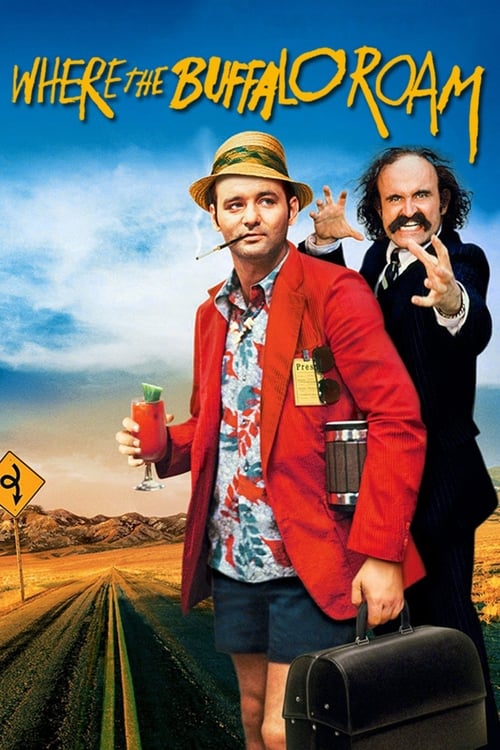
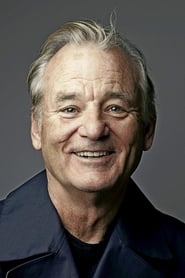
Hunter S. Thompson, portrayed by Bill Murray, is the central character of 'Where the Buffalo Roam.' He is depicted as a countercultural journalist and a drug-fueled writer, navigating the chaotic landscape of the 1970s America. His eccentric personality and wild antics drive much of the film's narrative, showcasing his struggles with authority and his quest for truth.
How does the film depict the relationship between Hunter S. Thompson and his attorney, Dr. Gonzo?
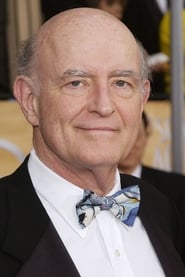
Dr. Gonzo, played by Peter Boyle, is portrayed as Hunter's loyal but troubled attorney. Their relationship is marked by camaraderie and chaos, as they embark on various misadventures together. Dr. Gonzo often serves as a voice of reason amidst Thompson's reckless behavior, yet he is also drawn into the madness, reflecting the duality of their friendship.
What significant events do Hunter and Dr. Gonzo experience during the campaign trail?
During the campaign trail, Hunter and Dr. Gonzo engage in a series of surreal and often absurd experiences, including attending a rally for the 1972 presidential campaign of George McGovern. Their escapades involve heavy drug use, bizarre encounters with political figures, and a satirical take on the American political landscape, highlighting the absurdity of the campaign process.
How does the film portray the theme of escapism through Hunter's character?
Hunter's character is depicted as a quintessential embodiment of escapism, often retreating into a world of drugs and wild experiences to cope with the pressures of reality. His internal struggles are illustrated through his erratic behavior and philosophical musings, revealing a deep-seated desire to escape societal norms and find freedom in chaos.
What is the significance of the title 'Where the Buffalo Roam' in relation to the film's narrative?
The title 'Where the Buffalo Roam' symbolizes the themes of freedom and the untamed spirit of the American West, paralleling Hunter's own quest for liberation from societal constraints. It reflects his journey through a landscape filled with both literal and metaphorical buffalo, representing the wildness of his character and the era he inhabits.
Is this family friendly?
"Where the Buffalo Roam," produced in 1980, is a film that may not be considered family-friendly due to several potentially objectionable or upsetting scenes. Here are some aspects that could be concerning for children or sensitive viewers:
-
Substance Use: The film features scenes depicting drug use, particularly marijuana and other hallucinogens, which may be inappropriate for younger audiences.
-
Mental Health Themes: The protagonist, Hunter S. Thompson, struggles with mental health issues, including paranoia and erratic behavior, which could be distressing for some viewers.
-
Violence and Aggression: There are moments of aggression and violence, including confrontations that may be unsettling.
-
Strong Language: The dialogue includes profanity and adult themes that may not be suitable for children.
-
Political Commentary: The film contains satirical elements that critique societal norms and politics, which may be complex or confusing for younger viewers.
These elements contribute to a tone that may not be suitable for all audiences, particularly children.







