














Popular
Who is Gary Gilmore and what drives his actions throughout the film?
What role does Nicole play in Gary Gilmore's life and how does their relationship evolve?
How does the film depict the legal proceedings surrounding Gary Gilmore's case?
What is the significance of Gary's relationship with his family, particularly his brother?
How does the film portray the media's role in Gary Gilmore's story?
Should I watch it?
Ask Your Own Question

What is the plot?
Sorry, we aren't able to watch and write up a full detailed plot yet. Check back in a few days.


What is the ending?
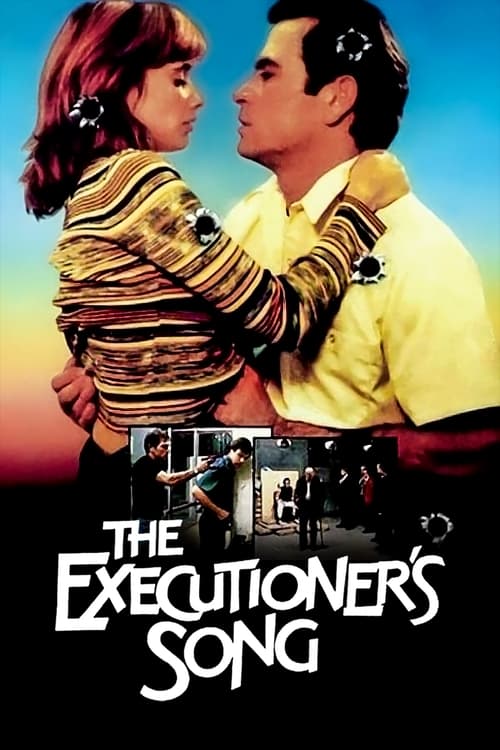
In the ending of "The Executioner's Song," Gary Gilmore is executed by firing squad in Utah. His last moments are filled with a mix of resignation and defiance, as he faces his death with a sense of acceptance. The film concludes with the aftermath of his execution, highlighting the impact on those who were close to him, particularly his family and the media.
As the final act of "The Executioner's Song" unfolds, we find ourselves in the stark, sterile environment of the Utah State Prison, where Gary Gilmore awaits his execution. The atmosphere is heavy with tension, and the reality of his impending death looms over him. Gary, portrayed with a complex mix of bravado and vulnerability, is seen in his cell, reflecting on his life choices and the events that led him to this moment. He has become a symbol of the death penalty debate, and the media frenzy surrounding his case has only intensified.
In the days leading up to the execution, Gary's relationship with his family is explored. His brother, Mikal, and his mother, who have been supportive yet conflicted, grapple with their emotions. Mikal visits Gary, and their conversations reveal a deep bond, but also the pain of their shared history. Gary's mother expresses her anguish over her son's fate, torn between her love for him and the horror of his actions.
As the execution day arrives, the film captures the somber preparations. Guards and officials move with a sense of grim duty, and the tension is palpable. Gary is led to the execution chamber, where he is strapped to a chair, and the firing squad takes their positions. In his final moments, Gary exhibits a calm demeanor, almost as if he has come to terms with his fate. He famously declares, "Let's do it," showcasing a mix of defiance and acceptance.
The execution itself is depicted with stark realism. The sound of gunfire echoes through the chamber, and Gary's life is extinguished in an instant. The film does not shy away from the brutality of the moment, emphasizing the finality of death and the moral complexities surrounding capital punishment.
In the aftermath of the execution, the film shifts focus to the impact on Gary's family. Mikal is left to grapple with the loss of his brother, feeling a profound sense of emptiness and unresolved emotions. Their mother, too, is left to mourn, reflecting on the life of a son who was both loved and lost to violence. The media coverage continues, highlighting the public's fascination with Gary's story, but it also serves as a reminder of the human cost of such tragedies.
The film concludes with a sense of lingering questions about justice, morality, and the consequences of one's actions. Gary Gilmore's life and death resonate beyond the screen, leaving viewers to ponder the complexities of the human experience and the societal implications of the death penalty. Each character's fate is intertwined with the larger narrative, emphasizing the profound impact of Gary's choices on those who loved him and the society that ultimately condemned him.
Is there a post-credit scene?
The Executioner's Song, produced in 1982, does not have a post-credit scene. The film concludes with a focus on the tragic and complex story of Gary Gilmore, a convicted murderer, and the events surrounding his execution. The narrative wraps up with the emotional weight of the characters' experiences and the societal implications of capital punishment, leaving the audience to reflect on the themes presented throughout the film.
Who is Gary Gilmore and what drives his actions throughout the film?
Gary Gilmore, portrayed by Tommy Lee Jones, is a complex character whose life is marked by a series of tumultuous events leading to his eventual execution. He is a troubled man, struggling with feelings of abandonment and a desire for identity. His actions are driven by a mix of impulsivity and a deep-seated need for recognition, which culminates in his decision to commit murder. His character oscillates between moments of charm and deep despair, reflecting his internal conflict and the chaotic nature of his life.
What role does Nicole play in Gary Gilmore's life and how does their relationship evolve?
Nicole, played by Rosanna Arquette, is a significant figure in Gary's life, representing both love and chaos. Initially, she is drawn to Gary's charisma and rebellious spirit, but as their relationship develops, it becomes increasingly strained. Nicole's emotional state fluctuates as she grapples with Gary's violent tendencies and his impending fate. Her love for him is palpable, yet she is also deeply affected by the consequences of his actions, leading to a tumultuous and tragic relationship.
How does the film depict the legal proceedings surrounding Gary Gilmore's case?
The film presents the legal proceedings with a stark realism, showcasing the complexities of the American justice system. As Gary is tried for murder, the courtroom scenes are filled with tension, highlighting the public and media scrutiny surrounding his case. The portrayal of the lawyers, judges, and jurors reflects the moral dilemmas faced in capital punishment cases, emphasizing the emotional weight of the decisions being made. Gary's own indifference to the trial process adds a chilling layer to the narrative.
What is the significance of Gary's relationship with his family, particularly his brother?
Gary's relationship with his family, especially with his brother, is fraught with tension and disappointment. His brother, a more stable figure, represents the life Gary could have had, which intensifies Gary's feelings of inadequacy and resentment. The family dynamics are explored through flashbacks and interactions, revealing a history of dysfunction and emotional neglect. This relationship serves as a backdrop to Gary's actions, illustrating how familial bonds can both support and hinder one's path.
How does the film portray the media's role in Gary Gilmore's story?
The media's role in Gary Gilmore's story is depicted as both a catalyst and a voyeuristic force. As his case gains national attention, the film illustrates how the media sensationalizes his crimes and trial, often stripping away the complexities of his character. Interviews and news reports are interspersed throughout the narrative, showcasing the public's fascination with his story. This portrayal raises questions about ethics in journalism and the impact of media on public perception, ultimately contributing to the tragic trajectory of Gary's life.
Is this family friendly?
"The Executioner's Song," produced in 1982, is not considered family-friendly due to its mature themes and content. Here are some potentially objectionable or upsetting aspects that may affect children or sensitive viewers:
-
Violence and Crime: The film deals with the life of Gary Gilmore, a convicted murderer, and includes depictions of violent acts, including murder and the aftermath of crime scenes.
-
Death Penalty: The narrative explores the complexities and moral implications of the death penalty, which may be distressing for some viewers, especially younger audiences.
-
Substance Abuse: There are scenes that depict drug use and the impact of addiction on individuals and their families, which can be unsettling.
-
Emotional Turmoil: The characters experience significant emotional distress, including feelings of despair, hopelessness, and conflict, which may be heavy for sensitive viewers.
-
Adult Themes: The film includes adult situations and relationships that may not be appropriate for children, including sexual content and discussions surrounding crime and punishment.
Overall, the film's exploration of dark and complex themes makes it more suitable for mature audiences.







