




Popular
What is the relationship between Tristan and Isolde in the film?
How does the love potion affect Tristan and Isolde's relationship?
What role does King Mark play in the story?
What are the key conflicts that arise between Tristan, Isolde, and King Mark?
How does the film depict the theme of honor and betrayal?
Should I watch it?
Ask Your Own Question

What is the plot?
Sorry, we aren't able to watch and write up a full detailed plot yet. Check back in a few days.


What is the ending?
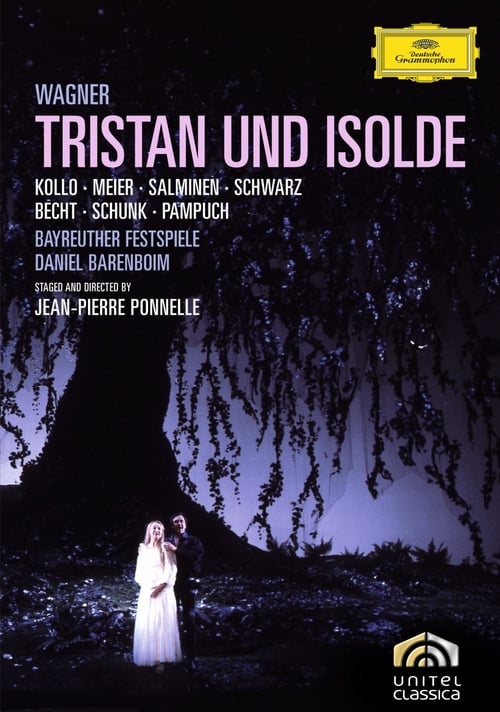
In the ending of the 1983 film "Tristan und Isolde," Tristan, mortally wounded, returns to Isolde. They share a final moment together before he dies in her arms. Isolde, heartbroken, takes her own life after Tristan's death. The film concludes with the tragic love story of the two characters, emphasizing the themes of love, sacrifice, and the inevitability of fate.
As the film approaches its climax, the atmosphere is thick with tension and impending tragedy. Tristan, having been gravely injured in battle, struggles to return to Isolde. The scene is set against a backdrop of dark, foreboding skies, mirroring the turmoil within Tristan's heart. He is driven by a desperate need to see Isolde one last time, his love for her propelling him forward despite his wounds.
In a dimly lit chamber, Isolde waits anxiously, her heart racing as she senses Tristan's return. The flickering candlelight casts shadows on her face, highlighting her fear and hope. When Tristan finally arrives, he is weak and bloodied, yet his eyes still hold the fierce love he has for her. Isolde rushes to his side, her hands trembling as she cradles his head in her lap. The emotional weight of the moment is palpable; they exchange tender words, their love transcending the pain and suffering surrounding them.
As Tristan's life ebbs away, he confesses his undying love for Isolde, and she, in turn, expresses her devotion. The room is filled with a profound silence, broken only by their whispered promises to each other. Tristan's breathing becomes shallow, and Isolde's tears fall onto his face, mingling with the blood of his wounds. The camera lingers on their faces, capturing the raw emotion of their final moments together.
In a heart-wrenching turn, Tristan succumbs to his injuries, his eyes closing as he takes his last breath. Isolde, devastated by the loss, cradles his lifeless body, her sobs echoing in the stillness of the room. The love that once brought them joy now becomes the source of her despair. In a moment of utter grief, Isolde makes the tragic decision to join Tristan in death. She retrieves a dagger, her hands shaking as she contemplates the finality of her choice. With a deep breath, she plunges the dagger into her heart, collapsing beside Tristan.
The film concludes with a haunting image of their intertwined bodies, a testament to their love and the tragic fate that befell them. The camera pulls back, revealing the desolate surroundings, emphasizing the emptiness left in the wake of their deaths. The story of Tristan and Isolde, marked by passion and sacrifice, ends in a poignant silence, leaving the audience to reflect on the depths of love and the pain of loss.
Is there a post-credit scene?
The movie "Tristan und Isolde" produced in 1983 does not have a post-credit scene. The film concludes with the tragic ending of the story, focusing on the themes of love, betrayal, and the consequences of fate. After the climactic events, the film wraps up without any additional scenes or epilogues following the credits. The emotional weight of the narrative is left to resonate with the audience as the credits roll, emphasizing the finality of Tristan and Isolde's tragic love story.
What is the relationship between Tristan and Isolde in the film?
In the 1983 film 'Tristan und Isolde', the relationship between Tristan and Isolde is central to the narrative. Tristan, a noble warrior, is tasked with bringing Isolde, the Irish princess, to marry his uncle, King Mark of Cornwall. However, during their journey, they accidentally consume a love potion, which ignites a passionate and forbidden love between them. This love is fraught with tension as they navigate their loyalty to King Mark and their deep emotional connection.
How does the love potion affect Tristan and Isolde's relationship?
The love potion serves as a catalyst for Tristan and Isolde's relationship, intensifying their feelings for each other beyond mere attraction. After consuming the potion, they are bound by an uncontrollable passion that complicates their lives. This magical element creates a sense of urgency and desperation in their interactions, as they struggle to reconcile their love with the societal expectations and obligations they face.
What role does King Mark play in the story?
King Mark, Tristan's uncle, plays a pivotal role in the story as both a figure of authority and a tragic character. He is initially portrayed as a benevolent ruler who genuinely cares for Tristan and wishes to see him happy. However, as the love affair between Tristan and Isolde unfolds, King Mark becomes increasingly conflicted and heartbroken. His eventual discovery of their love leads to feelings of betrayal and sets the stage for the tragic consequences that follow.
What are the key conflicts that arise between Tristan, Isolde, and King Mark?
The key conflicts in 'Tristan und Isolde' arise from the love triangle between the three characters. Tristan is torn between his loyalty to King Mark, who has taken him in as a son, and his passionate love for Isolde. Isolde, on the other hand, is caught between her duty to marry King Mark and her deep emotional bond with Tristan. This tension escalates as secrets are revealed, leading to confrontations that test their relationships and ultimately result in tragic outcomes.
How does the film depict the theme of honor and betrayal?
The film 'Tristan und Isolde' intricately weaves the themes of honor and betrayal throughout its narrative. Tristan's initial loyalty to King Mark is challenged by his love for Isolde, creating a moral dilemma that drives the plot. The betrayal is not just personal but also societal, as their love defies the expectations of their time. The emotional weight of these themes is depicted through the characters' struggles, their internal conflicts, and the consequences of their choices, leading to a poignant exploration of love and loyalty.
Is this family friendly?
The 1983 film "Tristan und Isolde" contains several elements that may not be suitable for children or sensitive viewers. Here are some potentially objectionable or upsetting aspects:
-
Violence and Warfare: The film includes scenes of battle and conflict, depicting the brutality of medieval warfare. This may be distressing for younger audiences.
-
Death and Betrayal: Themes of betrayal and the consequences of love lead to tragic outcomes, including the death of key characters. These moments can evoke strong emotional responses.
-
Romantic Tension: The central love story involves complex relationships, including infidelity and the struggles of forbidden love, which may be difficult for younger viewers to understand.
-
Emotional Turmoil: Characters experience intense emotional pain, loss, and longing, which could be upsetting for sensitive viewers.
-
Dark Themes: The overarching themes of fate, sacrifice, and the tragic nature of love may be heavy and complex for children.
These elements contribute to a narrative that is more suited for mature audiences, as they explore deep emotional and moral dilemmas.







