








Popular
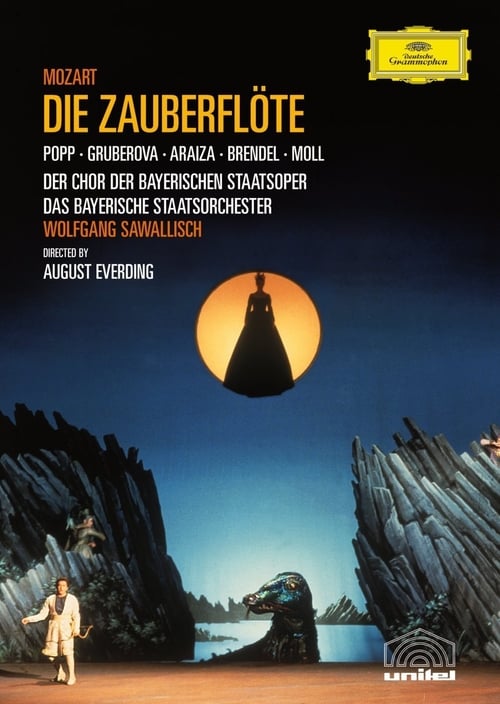
What is the significance of the magic flute in the story?
How does Tamino's character evolve throughout the film?
What role does the Queen of the Night play in Tamino and Pamina's journey?
How does the character of Papageno contribute to the story?
What trials do Tamino and Pamina face in their quest?
Should I watch it?
Ask Your Own Question

What is the plot?
Sorry, we aren't able to watch and write up a full detailed plot yet. Check back in a few days.




What is the ending?
In the ending of "The Magic Flute," Tamino and Pamina successfully pass the trials set by Sarastro, proving their love and commitment to each other. They are ultimately united, and the forces of darkness, represented by the Queen of the Night, are vanquished. The film concludes with a celebration of love, wisdom, and the triumph of light over darkness.
As the final act unfolds, the scene opens with Tamino and Pamina standing before the gates of Sarastro's temple, having already faced numerous challenges. They are filled with a mix of trepidation and determination, knowing that their love must endure the trials ahead. The atmosphere is charged with tension as they prepare to enter the temple, symbolizing their commitment to each other and the ideals of enlightenment.
Inside the temple, they are greeted by Sarastro, who embodies wisdom and guidance. He explains the significance of the trials they must face, emphasizing the importance of courage, truth, and the power of love. Tamino and Pamina, hand in hand, step forward, ready to confront the challenges that will test their bond.
The first trial involves silence, where Tamino must remain quiet while Pamina is tested. This moment is filled with emotional weight as Pamina struggles with her fears of losing Tamino. The silence is palpable, and the audience can feel the intensity of their connection, even in the absence of words. Tamino's resolve is evident as he remains steadfast, demonstrating his commitment to Pamina.
As they progress through the trials, they face the test of fire and water. The visual spectacle of flames and rushing water creates a dramatic backdrop, heightening the stakes of their journey. Tamino and Pamina, united in purpose, navigate these challenges with bravery and trust in one another. Their love acts as a guiding light, illuminating the path through the darkness.
In a climactic moment, the Queen of the Night appears, attempting to sway Pamina back to her side, urging her to betray Sarastro and Tamino. The tension escalates as Pamina grapples with her loyalty and the seductive power of her mother. However, she ultimately chooses to stand by Tamino, reaffirming her love and commitment to the ideals of truth and light.
As the trials conclude, Tamino and Pamina emerge victorious, having proven their worthiness. Sarastro welcomes them into the temple, where they are celebrated as champions of love and enlightenment. The atmosphere shifts to one of joy and triumph, as the darkness represented by the Queen of the Night is vanquished. The temple is filled with light, symbolizing the victory of wisdom and love over ignorance and fear.
In the final scenes, the characters gather to celebrate the union of Tamino and Pamina. Sarastro, now a figure of benevolence, blesses their union, signifying the harmony that has been restored. The film closes with a sense of hope and renewal, as the characters embrace their new beginnings, united in love and purpose.
Tamino and Pamina's fate is one of happiness and fulfillment, having overcome the trials that tested their love. They emerge not only as partners but as individuals who have grown through their experiences. The Queen of the Night, in contrast, is left defeated, representing the remnants of darkness that can no longer hold sway over the light. The film concludes with a powerful message about the strength of love, the importance of wisdom, and the triumph of light over darkness.
Is there a post-credit scene?
The 1983 film adaptation of "The Magic Flute," directed by Ingmar Bergman, does not contain a post-credit scene. The film concludes with the resolution of the story, focusing on the triumph of love and the victory of light over darkness. The final moments encapsulate the themes of enlightenment and the union of the main characters, Tamino and Pamina, as they emerge victorious from their trials. The film ends on a note of hope and harmony, aligning with the overall message of the opera, and there are no additional scenes or content after the credits roll.
What is the significance of the magic flute in the story?
The magic flute serves as a powerful instrument that can influence emotions and bring harmony. It is given to Tamino by the Queen of the Night, symbolizing hope and the ability to overcome darkness. Throughout the story, the flute aids Tamino in his quest to rescue Pamina and navigate the trials set before him.
How does Tamino's character evolve throughout the film?
Tamino begins as a naive young man, driven by his desire to rescue Pamina. As he faces various trials, he grows in courage and wisdom, learning the importance of love, trust, and the balance between light and darkness. His journey transforms him from a passive hero into an active participant in his fate.
What role does the Queen of the Night play in Tamino and Pamina's journey?
The Queen of the Night initially appears as a powerful figure who commands Tamino to rescue her daughter, Pamina. However, her true nature is revealed as manipulative and vengeful, especially in her famous aria where she demands Pamina to kill Sarastro. This conflict highlights the theme of duality in the story, as she represents both maternal love and dark ambition.
How does the character of Papageno contribute to the story?
Papageno serves as a comic relief and a foil to Tamino's serious quest. His desire for companionship and simple pleasures contrasts with the grand themes of love and enlightenment. Throughout the film, he provides humor and warmth, while also undergoing his own journey of self-discovery, ultimately finding love with Papagena.
What trials do Tamino and Pamina face in their quest?
Tamino and Pamina must undergo a series of trials designed to test their worthiness. These include tests of silence, fire, and water, which symbolize purification and enlightenment. Each trial challenges their resolve and commitment to each other, ultimately leading them to a deeper understanding of love and sacrifice.
Is this family friendly?
The 1983 film adaptation of "The Magic Flute," directed by Ingmar Bergman, is generally considered family-friendly, but it does contain some elements that may be unsettling for younger viewers or sensitive individuals. Here are a few aspects to consider:
-
Dark Themes: The film explores themes of love, sacrifice, and the struggle between light and darkness, which may be complex for younger audiences to fully grasp.
-
Symbolism of Death: There are scenes that involve the concept of death and the afterlife, which might be interpreted as frightening or disturbing.
-
Emotional Turmoil: Characters experience intense emotional struggles, including fear, confusion, and longing, which could resonate deeply and evoke strong feelings.
-
Visual Imagery: Some of the visual elements, such as the portrayal of the Queen of the Night and her ominous presence, may be striking and potentially intimidating.
-
Conflict and Tension: The narrative includes moments of conflict and tension that could be stressful for sensitive viewers, particularly in scenes where characters face danger or betrayal.
Overall, while the film is a beautiful adaptation of Mozart's opera, parents may want to consider these elements when deciding if it is suitable for their children.









