




Popular
How does the protagonist's character evolve throughout the film?
What role do the antagonists play in the protagonist's journey?
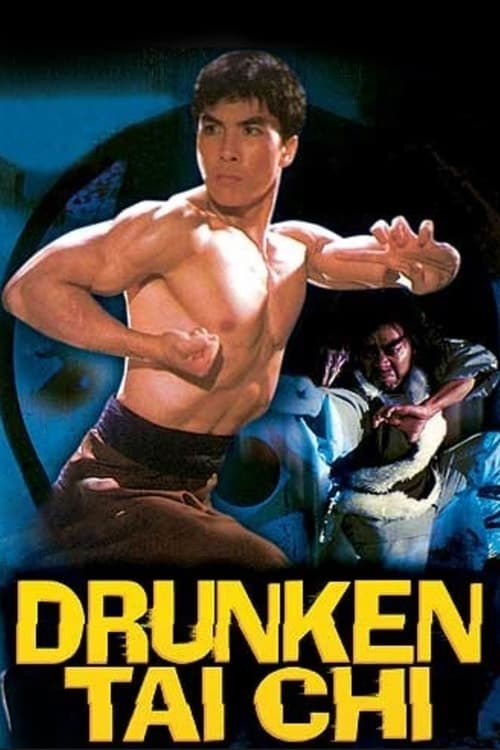
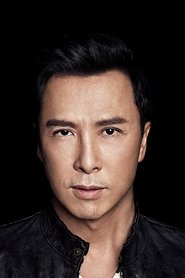
What motivates the main character, played by Donnie Yen, to learn Drunken Tai Chi?
How does the protagonist's relationship with his mentor influence his training in Drunken Tai Chi?
What are some key training sequences that highlight the unique aspects of Drunken Tai Chi?
Should I watch it?
Ask Your Own Question

What is the plot?
Sorry, we aren't able to watch and write up a full detailed plot yet. Check back in a few days.



What is the ending?
In the ending of "Drunken Tai Chi," the protagonist, played by Donnie Yen, faces off against the main antagonist in a climactic battle. After a series of intense fights, he ultimately triumphs, showcasing his mastery of drunken Tai Chi. The film concludes with a sense of victory and personal growth for the protagonist, as he has not only defeated his enemy but also embraced his unique fighting style.
Now, let's delve into the ending in a more detailed narrative fashion.
As the final confrontation approaches, the atmosphere is thick with tension. The protagonist, a young and somewhat naive martial artist, has been pushed to his limits by the relentless bullying of the antagonist and his gang. The scene is set in a dimly lit courtyard, where the moonlight casts long shadows, enhancing the sense of impending conflict. The protagonist stands firm, his heart racing, a mix of fear and determination coursing through him.
The antagonist, a skilled and ruthless fighter, enters the scene with a smug confidence, flanked by his henchmen. He taunts the protagonist, belittling his abilities and mocking his drunken fighting style. The protagonist, however, has undergone significant growth throughout the film, learning to harness the unpredictability of drunken Tai Chi. He takes a deep breath, centering himself, and prepares for the fight of his life.
The battle begins with a flurry of strikes and counter-strikes. The protagonist employs his drunken style, swaying and stumbling in a way that confuses his opponent. Each movement is fluid yet unpredictable, showcasing the unique beauty of his martial art. The antagonist, initially caught off guard, quickly adapts, retaliating with powerful blows. The sound of fists meeting flesh echoes through the courtyard, punctuated by the grunts and gasps of the fighters.
As the fight progresses, the protagonist's internal struggle becomes evident. He recalls the lessons learned from his mentor and the importance of using his skills for good rather than revenge. This realization fuels his resolve, and he begins to turn the tide of the battle. With each successful maneuver, he gains confidence, his movements becoming more assured and fluid.
In a pivotal moment, the protagonist executes a series of intricate moves that leave the antagonist momentarily stunned. The camera captures the intensity in his eyes, a mix of focus and determination. He channels all his training and experiences into one final, powerful strike. The antagonist, caught off guard, is unable to defend himself and is sent sprawling to the ground.
As the dust settles, the protagonist stands over his fallen foe, breathing heavily but victorious. The henchmen, witnessing their leader's defeat, scatter in fear, leaving the protagonist alone in the courtyard. He looks down at the antagonist, who is now humbled and defeated, a stark contrast to his earlier arrogance. The protagonist's expression shifts from anger to pity, recognizing that violence is not the answer to conflict.
In the final moments of the film, the protagonist walks away from the scene, a sense of peace washing over him. He has not only defeated his enemy but has also embraced his identity as a martial artist. The film closes with a shot of him walking into the distance, the moonlight illuminating his path, symbolizing his journey towards self-discovery and mastery of his craft.
The fate of the main characters is clear: the protagonist emerges as a stronger individual, having learned the value of his unique fighting style and the importance of using his skills wisely. The antagonist, on the other hand, is left defeated, a reminder of the consequences of arrogance and bullying. The film concludes on a note of personal growth and the triumph of good over evil, encapsulating the essence of the protagonist's journey.
Is there a post-credit scene?
"Drunken Tai Chi," produced in 1984, does not have a post-credit scene. The film concludes with its final moments, focusing on the resolution of the main conflict and the characters' journeys. The story wraps up with the protagonist, played by Donnie Yen, having overcome his challenges and embraced his unique style of drunken Tai Chi, leaving the audience with a sense of closure and satisfaction. The absence of a post-credit scene aligns with the film's narrative structure, focusing on the culmination of the protagonist's growth and the triumph of his martial arts journey.
How does the protagonist's character evolve throughout the film?
Throughout 'Drunken Tai Chi', the protagonist undergoes significant character evolution. Initially portrayed as a timid and clumsy individual, he gradually transforms into a confident and skilled martial artist. This evolution is marked by his increasing mastery of Drunken Tai Chi, which parallels his growing self-assurance and ability to stand up against bullies. Emotional moments, such as the support from his mentor and the challenges he faces, contribute to his development, ultimately leading him to embrace his identity as a fighter.
What role do the antagonists play in the protagonist's journey?
The antagonists in 'Drunken Tai Chi' serve as both physical and emotional obstacles for the protagonist. They represent the societal injustices and personal fears that he must confront. Their bullying and violent actions catalyze the protagonist's decision to learn martial arts, and as he faces them throughout the film, each encounter tests his skills and resolve. The escalating confrontations with these antagonists ultimately lead to significant moments of growth and self-discovery for the protagonist.
What motivates the main character, played by Donnie Yen, to learn Drunken Tai Chi?
The main character, played by Donnie Yen, is initially motivated by a desire to defend himself and his loved ones from local bullies and criminals. His journey begins when he witnesses the injustices inflicted upon his friends and family, which ignites a deep-seated need for empowerment and self-defense. As he learns Drunken Tai Chi, his motivation evolves into a quest for personal growth and mastery of the martial art.
How does the protagonist's relationship with his mentor influence his training in Drunken Tai Chi?
The protagonist's relationship with his mentor is pivotal to his training in Drunken Tai Chi. The mentor, an eccentric and skilled martial artist, recognizes the protagonist's potential and takes him under his wing. Their interactions are filled with humor and wisdom, as the mentor teaches him not only the physical techniques of Drunken Tai Chi but also the philosophy behind it. This bond fosters a sense of trust and respect, pushing the protagonist to embrace the art more fully and understand its deeper meanings.
What are some key training sequences that highlight the unique aspects of Drunken Tai Chi?
Key training sequences in 'Drunken Tai Chi' showcase the unique and comedic elements of the martial art. One memorable scene involves the protagonist practicing his moves while pretending to be intoxicated, which emphasizes the fluidity and unpredictability of Drunken Tai Chi. These sequences are filled with physical comedy, as he stumbles and sways, yet manages to execute impressive techniques. The training not only highlights the art's distinctive style but also serves to build the protagonist's confidence and skill.
Is this family friendly?
"Drunken Tai Chi," produced in 1984, is a martial arts film that features a blend of action and comedy. While it has entertaining elements, there are aspects that may not be suitable for children or sensitive viewers.
-
Violence: The film contains several fight scenes that, while choreographed and stylized, include physical confrontations, injuries, and some bloodshed. The martial arts sequences can be intense and may be upsetting for younger audiences.
-
Alcohol Use: The concept of "drunken" Tai Chi revolves around the protagonist's use of alcohol to enhance his fighting style. This portrayal of drinking may not be appropriate for children and could send mixed messages about alcohol consumption.
-
Mature Themes: There are moments that touch on themes of revenge and conflict, which may be complex for younger viewers to understand fully.
-
Language: The film includes some coarse language and insults during confrontations, which may not be suitable for all audiences.
-
Emotional Struggles: The protagonist faces personal challenges and emotional turmoil, which could be distressing for sensitive viewers.
Overall, while "Drunken Tai Chi" has comedic elements and martial arts action, it contains scenes and themes that may not be family-friendly for all viewers.








