
















Popular
What key events in Karol Wojtyla's early life shaped his path to becoming Pope John Paul II?
How does the film portray the relationship between Karol Wojtyla and his father?
What challenges does Karol Wojtyla face during his time as a bishop in Poland?
How does the film depict the moment Karol Wojtyla is elected Pope?
What role does the assassination attempt on Pope John Paul II play in the film?
Should I watch it?
Ask Your Own Question

What is the plot?
Sorry, we aren't able to watch and write up a full detailed plot yet. Check back in a few days.
More Movies Like This
Browse All Movies →



What is the ending?
In the ending of the movie "Pope John Paul II," the Pope reflects on his life and the challenges he faced, particularly during the tumultuous times in Poland and the broader world. He delivers a message of hope and faith, emphasizing the importance of love and understanding among people. The film concludes with a sense of peace as he continues his mission to inspire others, despite the struggles he has endured.
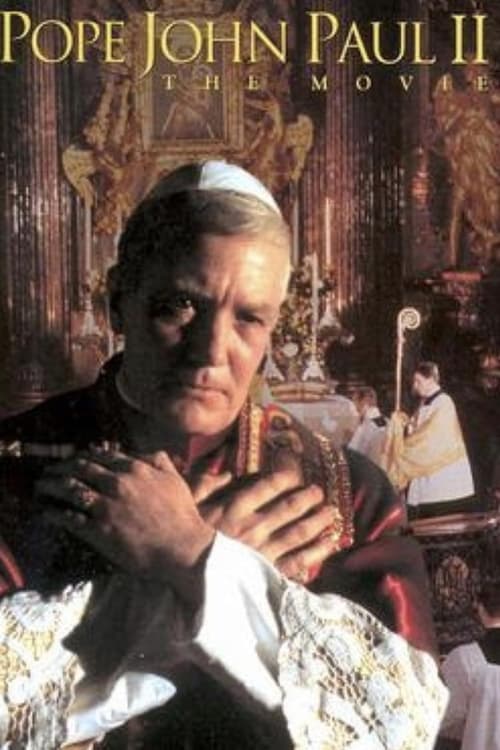
As the film approaches its conclusion, we find ourselves in the later years of Karol Wojtyła's life, now Pope John Paul II. The scenes are imbued with a sense of reflection and gravitas. The Pope, portrayed with a deep sense of compassion and wisdom, is seen in the Vatican, where he engages with various visitors, including clergy and laypeople. His face, marked by age and experience, carries the weight of his responsibilities and the trials he has faced throughout his papacy.
In one poignant scene, the Pope is shown addressing a gathering of young people. His voice resonates with warmth and sincerity as he speaks about the importance of faith, love, and unity. The camera captures the rapt attention of the audience, their faces illuminated by hope and inspiration. This moment underscores the Pope's role as a spiritual leader, guiding the youth towards a brighter future.
Transitioning to a more personal moment, the film depicts the Pope in quiet contemplation, reflecting on his past, particularly his experiences during World War II and the subsequent struggles in Poland. The memories flash before him, showcasing the resilience of the Polish people and the pivotal role he played in their fight for freedom. His internal conflict is palpable; he grapples with the burden of leadership and the desire to bring peace to a fractured world.
As the narrative unfolds, we see the Pope's interactions with key figures from his past, including friends and fellow clergy who have supported him throughout his journey. Each encounter is filled with warmth and nostalgia, highlighting the bonds of friendship and faith that have sustained him. The emotional weight of these moments is evident, as the Pope expresses gratitude for their unwavering support.
In the final scenes, the Pope delivers a powerful message to the world, emphasizing the need for compassion and understanding among all people. His words resonate deeply, echoing the film's central themes of love, hope, and the enduring strength of faith. The camera captures the faces of those listening, reflecting a mix of emotions--hope, determination, and a renewed sense of purpose.
As the film draws to a close, we see the Pope standing on the balcony of St. Peter's Basilica, overlooking the vast crowd gathered below. The scene is filled with a sense of unity and peace, as people from all walks of life come together in solidarity. The Pope raises his hand in blessing, a symbol of his enduring commitment to his mission and the love he holds for humanity.
In the final moments, the screen fades to black, leaving the audience with a lingering sense of hope and the realization that the Pope's legacy will continue to inspire future generations. The film concludes with a powerful reminder of the impact one individual can have on the world, encapsulating the essence of Pope John Paul II's life and teachings. Each character, from the Pope to his supporters, is left with a sense of fulfillment and purpose, having played a part in a larger narrative of faith and resilience.
Is there a post-credit scene?
The movie "Pope John Paul II," produced in 1984, does not contain a post-credit scene. The film concludes with a poignant reflection on the life and impact of Karol Wojtyła, who became Pope John Paul II. The final moments focus on his commitment to peace, love, and the human spirit, encapsulating the essence of his papacy and leaving the audience with a sense of hope and inspiration. The credits roll without any additional scenes or content following them.
What key events in Karol Wojtyla's early life shaped his path to becoming Pope John Paul II?
The film delves into Karol Wojtyla's formative years, highlighting his childhood in Wadowice, Poland, where he faced the loss of his mother and brother, which instilled in him a deep sense of faith and resilience. His experiences during World War II, including working in a quarry and participating in underground theater, further shaped his character and commitment to the Church.
How does the film portray the relationship between Karol Wojtyla and his father?
The film depicts a close and affectionate relationship between Karol and his father, who is portrayed as a guiding figure in his life. His father's strong moral values and dedication to faith deeply influence Karol, providing him with a foundation of strength and conviction that he carries into his later life.
What challenges does Karol Wojtyla face during his time as a bishop in Poland?
As a bishop, Wojtyla confronts the oppressive regime of the Communist government in Poland. The film illustrates his struggles to maintain the Church's influence and integrity while advocating for human rights and freedom, often putting him at odds with the authorities, which adds tension to his character's journey.
How does the film depict the moment Karol Wojtyla is elected Pope?
The election of Karol Wojtyla as Pope is portrayed as a moment of surprise and joy, both for him and the world. The film captures the tension in the Vatican as the cardinals deliberate, and the emotional reaction of Wojtyla when he is announced as the new Pope, highlighting his humility and sense of responsibility.
What role does the assassination attempt on Pope John Paul II play in the film?
The assassination attempt is a pivotal moment in the film, showcasing the vulnerability of the Pope and the global impact of the event. The film explores his emotional response to the attack, his reflections on forgiveness, and how this incident strengthens his resolve to promote peace and reconciliation in the world.
Is this family friendly?
The movie "Pope John Paul II," produced in 1984, is generally considered family-friendly, as it focuses on the life and teachings of the beloved pope. However, there are a few scenes and themes that might be potentially objectionable or upsetting for children or sensitive viewers:
-
Historical Context of War and Oppression: The film depicts the harsh realities of World War II and the impact of Nazi occupation in Poland, which includes scenes of violence and oppression that may be distressing.
-
Religious Persecution: There are references to the persecution of Catholics and other religious groups, which may be unsettling for some viewers, especially younger audiences.
-
Death and Suffering: The film touches on themes of loss, including the death of loved ones and the suffering experienced by individuals during times of conflict, which could evoke strong emotions.
-
Emotional Struggles: The internal conflicts and emotional struggles of the characters, particularly in relation to faith and duty, may be complex and difficult for younger viewers to fully grasp.
-
Political Turmoil: The portrayal of political unrest and the challenges faced by the Church during the communist regime in Poland may include scenes that depict tension and fear.
While these elements are integral to the narrative and serve to highlight the resilience and faith of Pope John Paul II, they may require parental guidance for younger viewers.







