











Popular
What motivates the character of John Wisdom to become a bank robber?
How does the relationship between John Wisdom and his father evolve throughout the film?
What role does the character of Diane play in John's life and decisions?
What are the consequences of John's actions on his friends who join him in the bank robbery?
How does the film depict the theme of rebellion against authority through John's actions?
Should I watch it?
Ask Your Own Question

What is the plot?
Sorry, we aren't able to watch and write up a full detailed plot yet. Check back in a few days.

What is the ending?
In the ending of "Wisdom," the main characters, John Wisdom and his girlfriend, are apprehended after a series of bank robberies. They face the consequences of their actions, and John ultimately decides to take responsibility for his choices. The film concludes with John being taken away by the authorities, leaving behind a message about the struggles of youth and the quest for identity.
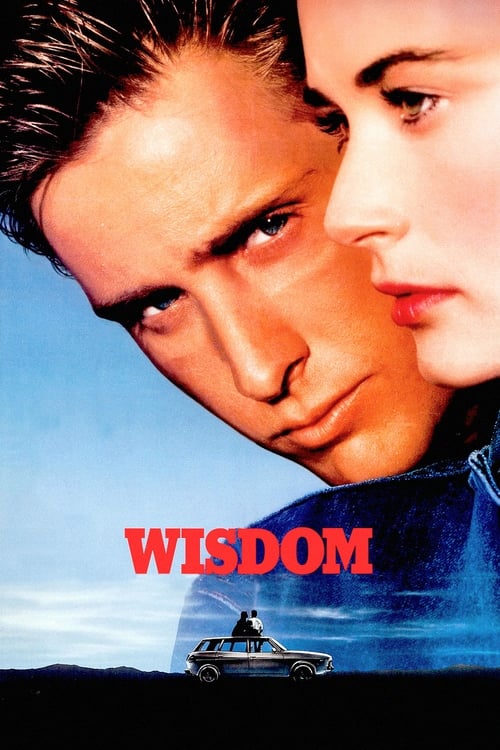
As the film approaches its climax, the tension escalates. John Wisdom, played by Emilio Estevez, and his girlfriend, played by Demi Moore, find themselves cornered after a series of heists that were intended to make a statement against the system. The couple, initially driven by a sense of rebellion and a desire to challenge societal norms, now confront the reality of their choices.
Scene by scene, the narrative unfolds as follows:
The final act begins with John and his girlfriend hiding out in a rundown motel. The atmosphere is thick with anxiety; they are aware that law enforcement is closing in on them. John, feeling the weight of their decisions, grapples with his internal conflict. He reflects on the initial motivations that led them down this path--frustration with the system and a desire to make a difference. However, as the reality of their situation sinks in, he realizes that their actions have spiraled out of control.
In a pivotal moment, John and his girlfriend share a heartfelt conversation. They express their fears and hopes, revealing the depth of their bond. John's girlfriend urges him to escape, to run away and start anew, but John feels a strong sense of responsibility. He understands that they cannot continue living this way, and he is torn between love and accountability.
As the police close in, John makes a fateful decision. He tells his girlfriend to leave without him, insisting that he will face the consequences alone. This moment is charged with emotion; John's determination to take responsibility for their actions reflects his growth throughout the film. He understands that running away would only prolong the inevitable and that true wisdom lies in facing one's mistakes.
The scene shifts to the outside of the motel, where police cars surround the building. John steps out, hands raised, ready to surrender. The tension is palpable as he walks toward the officers, who are prepared for a confrontation. His girlfriend watches from a distance, tears in her eyes, realizing the gravity of what is happening. John's surrender is a powerful moment, symbolizing his acceptance of the consequences of his actions.
In the final moments, John is taken into custody. The camera lingers on his face, capturing a mix of relief and sorrow. He has chosen to confront his reality rather than escape it, embodying the film's themes of responsibility and the search for identity. His girlfriend, heartbroken yet proud, understands that this is a turning point for both of them.
As the credits roll, the film leaves the audience with a sense of unresolved tension. John's fate is uncertain, but his choice to face the consequences of his actions suggests a path toward redemption. The film concludes with a poignant reminder of the struggles faced by youth and the complexities of making choices in a challenging world.
Is there a post-credit scene?
The movie "Wisdom," produced in 1986, does not have a post-credit scene. The film concludes without any additional scenes or content after the credits roll. The story wraps up with the main characters, particularly the protagonist, John Wisdom, reflecting on the events that transpired and the choices they made throughout the film. The focus remains on the resolution of the narrative rather than any further developments or teasers.
What motivates the character of John Wisdom to become a bank robber?
John Wisdom, played by Emilio Estevez, is driven by a deep sense of frustration and disillusionment with the system. He witnesses the struggles of his family and friends, particularly the financial hardships faced by his parents, which fuels his desire to take drastic action. His motivation is compounded by a desire to make a statement against the societal injustices he perceives, leading him to believe that robbing banks is a way to redistribute wealth.
How does the relationship between John Wisdom and his father evolve throughout the film?
Initially, John has a strained relationship with his father, who is portrayed as a traditionalist and a hard worker. As John embarks on his criminal path, his father is disappointed and worried about his choices. However, as the story progresses, there are moments of understanding and reconciliation, particularly when John's father begins to see the motivations behind his son's actions. This evolution reflects a complex dynamic of love, disappointment, and ultimately, a shared understanding of the struggles they both face.
What role does the character of Diane play in John's life and decisions?
Diane, played by Demi Moore, serves as both a love interest and a moral compass for John. She is initially drawn to his rebellious spirit but becomes increasingly concerned about the consequences of his actions. Diane's character represents the emotional stakes of John's decisions; her support and later disapproval highlight the conflict between love and the law. Her presence in the film adds depth to John's internal struggle, as he grapples with the impact of his choices on their relationship.
What are the consequences of John's actions on his friends who join him in the bank robbery?
John's decision to involve his friends in the bank robbery leads to significant consequences for them. As they participate in the heist, they face legal repercussions, emotional turmoil, and the strain of their friendships. The film explores how their lives are irrevocably changed by the crime, with some friends experiencing guilt and regret, while others become more entrenched in a life of crime. This illustrates the ripple effect of John's choices, emphasizing the weight of responsibility he carries for those around him.
How does the film depict the theme of rebellion against authority through John's actions?
John's actions throughout the film are a direct rebellion against authority and societal norms. His decision to rob banks is not just a criminal act but a statement against the economic system that he feels has failed him and his community. The film visually contrasts scenes of John's mundane life with the adrenaline-fueled moments of the heist, showcasing his desire to break free from the constraints imposed by society. This rebellion is portrayed as both a desperate act of defiance and a misguided attempt to create change.
Is this family friendly?
"Wisdom," produced in 1986, is a drama that explores themes of rebellion, family dynamics, and the consequences of choices. While it has moments of emotional depth and character development, there are several aspects that may be considered objectionable or upsetting for children or sensitive viewers:
-
Theft and Crime: The main characters engage in criminal activities, including theft, which may not be suitable for younger audiences. The portrayal of these actions can be intense and morally complex.
-
Family Conflict: There are scenes depicting significant family strife, including arguments and emotional confrontations that may be distressing for sensitive viewers.
-
Violence: While not excessively graphic, there are moments of violence and threats that could be unsettling, particularly for younger viewers.
-
Emotional Turmoil: The characters experience deep emotional struggles, including feelings of hopelessness and desperation, which may resonate negatively with sensitive individuals.
-
Substance Use: There are references to alcohol and possibly drug use, which could be concerning for younger audiences.
Overall, while "Wisdom" contains valuable life lessons and character growth, its themes and certain scenes may not be appropriate for all viewers, particularly children.







