




















Popular
What challenges does the main character face in his firefighting career?
How does the protagonist's relationship with his family evolve during the film?
What role does camaraderie among firefighters play in the story?
What specific incident serves as a turning point for the main character?
How does the film portray the dangers of firefighting?
Should I watch it?
Ask Your Own Question

What is the plot?
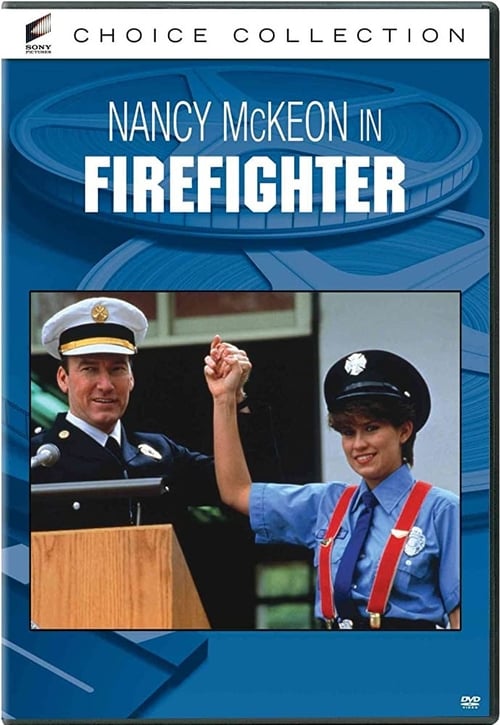
In the early 1980s Los Angeles, Cindy Fralick, a parking enforcement officer, moves through her monotonous daily routine with a quiet restlessness. The camera follows her as she writes parking tickets, her face a mixture of boredom and yearning for something more meaningful. One day, Cindy witnesses a severe car accident, the injured victims sprawled on the pavement, their pain and vulnerability striking her deeply. This moment ignites a spark within her--a desire to help people in a way her current job never allows. She confides in her best friend Sharon, saying, "I want to do something that matters, Sharon. Something real." Sharon encourages her, planting the seed of courage that will grow into a fierce determination.
At home, Cindy's newfound ambition clashes with her personal life. Her husband, Lance Fralick, is dismissive and unsupportive. In a tense scene, Lance peers into the refrigerator and complains, "You know, we could start a penicillin factory... There's nothing to eat here!" His passive-aggressive attitude and lack of encouragement culminate in a devastating blow when he files for divorce after Cindy announces her plan to become a firefighter. The shock of Lance's departure shakes Cindy to her core, and she briefly contemplates abandoning her dream. Yet Sharon's steadfast support rekindles her resolve: "You're stronger than you think, Cindy. Don't let him make you doubt yourself."
Determined, Cindy applies to the Los Angeles County Fire Department, a place steeped in tradition and dominated by men. The department has a 60-year history, and no woman has ever passed its grueling physical agility test. At the fire station, Cindy meets Captain Bukowski, a stern and skeptical officer who oversees the physical tests. His initial attitude is dismissive, reflecting the widespread prejudice she faces. "You sure you're up for this, Fralick? This isn't a game," he warns, his tone laced with doubt.
Cindy's training is grueling. She pushes herself relentlessly at the training grounds, often alone or with Sharon's help, who acts as her informal coach. The physical agility test itself is a brutal gauntlet of strength, endurance, and skill, designed to weed out all but the toughest candidates. Cindy faces jeers and skepticism from many of her male colleagues, who see her presence as an intrusion. Among them is Mike, a fellow firefighter who initially finds Cindy's determination irritating. Their early interactions are marked by tension and subtle challenges, but beneath the surface, Mike's respect for Cindy grows as he witnesses her grit and resilience.
The pivotal moment arrives on the day of the physical agility test. The firehouse is tense; recruits and officials gather as Chief B.C. Thompson addresses the group. His voice carries weight and history: "As you all know, candidates who fail any part of the agility test are dismissed for the rest of the day's proceedings. Captain Bukowski will give you the results in a minute. But today, we're going to bend the rules a little bit. In Los Angeles County Fire Department's 60-year history, no woman has ever passed the agility test..." A long silence follows, the weight of history pressing down on Cindy. Then, a smile spreads across the Chief's face as he declares, "...until today!" The room erupts in cheers. Captain Bukowski, once skeptical, shakes Cindy's hand with genuine respect. This victory is not just personal; it is a historic breakthrough.
Despite her success, Cindy's challenges are far from over. Media attention swells, spotlighting her as a symbol rather than a firefighter. She finds this unwanted fame frustrating, saying quietly, "I just want a job, not to be anyone's hero." At the fire station, the male firefighters' initial annoyance at her presence begins to thaw as Cindy proves herself in real emergencies. On her first real call, she confronts a fierce fire without hesitation, earning the respect of her superiors and peers alike.
Her relationship with Mike evolves amid the pressures of their demanding jobs. They start dating, but Cindy soon feels conflicted. She confides in Sharon, "I think it's too soon after Lance... Mike's great, but I'm not ready for this." Mike's straightforward, unromantic nature irritates her, but it also forces her to confront her own feelings and priorities.
Cindy's ambition grows beyond firefighting; she decides to become a paramedic, seeking to expand her skills and impact. This decision brings new challenges and prejudices, but Cindy meets them head-on. In a tense and emotionally charged scene, she saves a heroin addict who overdoses, demonstrating her calm under pressure and deep compassion. This act solidifies her place not only as a firefighter but as a healer and protector.
The film closes with Cindy fully integrated into the fire department, no longer an outsider but one of the team. She and Mike reconcile their differences, deciding to continue their relationship with mutual respect and understanding. Cindy reflects on her journey, her voice steady and resolute: "This is just the beginning. I'm here to stay."
Throughout the film, there are no deaths, underscoring that the story is about breaking barriers and personal triumph rather than tragedy. The confrontations--between Cindy and Lance, Cindy and Captain Bukowski, Cindy and her male colleagues, and Cindy and Mike--each serve to build tension and highlight her growth. The major revelations include the deep-seated sexism Cindy faces, her own discovery of inner strength, and the eventual acceptance and respect she earns.
"Firefighter" ends not with a blaze of destruction but with the quiet, powerful blaze of a woman who refuses to be extinguished, blazing a trail for those who follow.
More Movies Like This
Browse All Movies →




What is the ending?
In the ending of the movie "Firefighter," the main character, a dedicated firefighter, faces a critical situation that tests his resolve and commitment to his profession. After a series of intense events, he ultimately overcomes the challenges, leading to a resolution that highlights the importance of bravery and teamwork in the face of danger.
As the climax unfolds, the firefighter and his team respond to a massive blaze in a high-rise building. The tension escalates as they navigate through smoke-filled hallways, rescuing trapped civilians. The protagonist's determination shines through as he confronts his fears and leads his team with courage. In the final moments, he successfully saves a child from the flames, solidifying his role as a hero. The film concludes with a sense of camaraderie among the firefighters, emphasizing their bond and the sacrifices they make for others.
Now, let's delve into the ending in a more detailed, chronological narrative.
The scene opens with the sun setting behind the city skyline, casting an orange glow over the high-rise buildings. The camera zooms in on the fire station, where the firefighters are gearing up for what seems to be an ordinary day. However, the atmosphere is charged with an unspoken tension, as the protagonist, a seasoned firefighter named Jack, is seen staring at a photo of his family, reflecting on the risks of his job.
Suddenly, the alarm bell rings, shattering the moment of calm. The firefighters spring into action, sliding down the pole and rushing to the fire truck. Jack's face is a mix of determination and anxiety as he knows the stakes are high. The team speeds through the streets, sirens blaring, the urgency palpable in the air.
As they arrive at the scene of the fire, a towering inferno engulfs the upper floors of a high-rise building. Flames lick the windows, and thick smoke billows out, creating a chaotic and dangerous environment. Jack quickly assesses the situation, his heart racing as he spots a group of civilians trapped on a balcony, their faces etched with fear.
With a deep breath, Jack rallies his team, issuing commands with authority. They don their gear and prepare to enter the building. The camera captures the intensity in Jack's eyes, revealing his internal struggle between the instinct to protect his team and the need to save lives. He knows that every second counts.
Inside the building, the heat is overwhelming. The firefighters navigate through the smoke, their flashlights cutting through the darkness. Jack leads the way, his voice steady as he encourages his team to stay focused. They encounter obstacles--collapsing ceilings and blocked exits--but Jack's resolve never wavers. He pushes forward, driven by the thought of the civilians still trapped inside.
As they reach the floor where the civilians are located, they find the balcony door locked. Jack's frustration mounts, but he quickly devises a plan. He instructs one of his teammates to break the door down while he and another firefighter prepare to catch anyone who might fall. The tension builds as they hear the terrified cries of the trapped civilians.
Finally, the door bursts open, and Jack rushes in, finding a young child cowering in a corner. The child's eyes widen with fear, and Jack kneels down, speaking softly to reassure him. The emotional weight of the moment is palpable as Jack's paternal instincts kick in. He scoops the child into his arms, promising that everything will be okay.
Just as they make their way back to the balcony, the building shakes violently. A loud crash echoes through the hall as part of the ceiling collapses. Jack's team quickly reacts, but the chaos intensifies. Jack's heart races as he realizes they must move quickly to escape the impending danger.
With the child safely in his arms, Jack leads the way back through the smoke, his team following closely behind. They navigate the treacherous path, adrenaline pumping through their veins. The camera captures the fear and determination on their faces, showcasing the bond forged through shared peril.
As they reach the balcony, Jack's teammate helps them over the edge, and they land safely on the fire truck below. The child's mother, who had been anxiously waiting, rushes forward, tears streaming down her face as she embraces her child. Jack watches the reunion, a sense of relief washing over him.
The scene shifts to the aftermath of the fire. The firefighters stand together, exhausted but triumphant. Jack looks around at his team, their faces reflecting a mix of pride and camaraderie. They have faced the flames together and emerged stronger.
In the final moments, Jack returns to the fire station, where he is greeted with cheers from his fellow firefighters. He smiles, knowing that despite the dangers, he has made a difference. The camera pans out, capturing the fire station against the backdrop of the city, a symbol of hope and bravery.
As the credits roll, the audience is left with a sense of admiration for the firefighters and the sacrifices they make daily. Jack's journey has come full circle, reinforcing the themes of heroism, teamwork, and the unwavering spirit of those who fight fires.
Is there a post-credit scene?
The movie "Firefighter," produced in 1986, does not contain a post-credit scene. The film concludes its narrative without any additional scenes or content after the credits roll. The story wraps up with the main characters resolving their conflicts and achieving a sense of closure, leaving no further material for a post-credit sequence.
What challenges does the main character face in his firefighting career?
The main character, a dedicated firefighter, faces numerous challenges throughout the film, including the physical dangers of battling blazes, the emotional toll of losing colleagues, and the struggle to maintain a work-life balance with his family. His commitment to saving lives often puts him at odds with his personal relationships, particularly with his spouse, who worries about his safety.
How does the protagonist's relationship with his family evolve during the film?
Initially, the protagonist's relationship with his family is strained due to his long hours and the dangers of his job. As the story progresses, moments of crisis force him to confront his priorities, leading to heartfelt conversations and reconciliations with his spouse and children. These interactions highlight his internal conflict between duty and family.
What role does camaraderie among firefighters play in the story?
Camaraderie is a central theme in 'Firefighter,' as the protagonist relies heavily on his fellow firefighters for support during both emergencies and personal struggles. The film showcases their bond through shared experiences, training sessions, and moments of levity, emphasizing how this brotherhood helps them cope with the pressures of their dangerous profession.
What specific incident serves as a turning point for the main character?
A pivotal incident occurs when the protagonist is involved in a high-stakes rescue during a massive fire that endangers his team and civilians. This harrowing experience forces him to confront his fears and reassess his commitment to firefighting, ultimately leading to a deeper understanding of his role and responsibilities.
How does the film portray the dangers of firefighting?
The film vividly depicts the dangers of firefighting through intense action sequences, showcasing the chaos of raging fires, the physical exertion required to combat them, and the emotional strain of witnessing loss. These portrayals serve to highlight the bravery and resilience of firefighters, as well as the risks they take to protect their communities.
Is this family friendly?
The movie "Firefighter," produced in 1986, contains several elements that may be considered objectionable or upsetting for children or sensitive viewers.
-
Firefighting Scenes: The film features intense firefighting sequences that depict dangerous situations, including flames, smoke, and the potential for injury. These scenes may be frightening for younger audiences.
-
Emotional Struggles: Characters experience significant emotional turmoil, including stress and anxiety related to their jobs. This portrayal of mental strain may be heavy for some viewers.
-
Loss and Sacrifice: Themes of loss, including the risks firefighters face, are present. There are moments that touch on the potential for tragedy, which could be upsetting.
-
Conflict and Tension: The film includes interpersonal conflicts among characters, which may involve shouting or aggressive behavior, potentially uncomfortable for sensitive viewers.
-
Realistic Depictions of Danger: The film does not shy away from the realities of firefighting, including the physical dangers and the emotional toll it takes on the firefighters and their families.
These aspects may warrant caution for families considering viewing the film with younger children or those who are particularly sensitive to intense emotional or physical situations.






