


















Popular
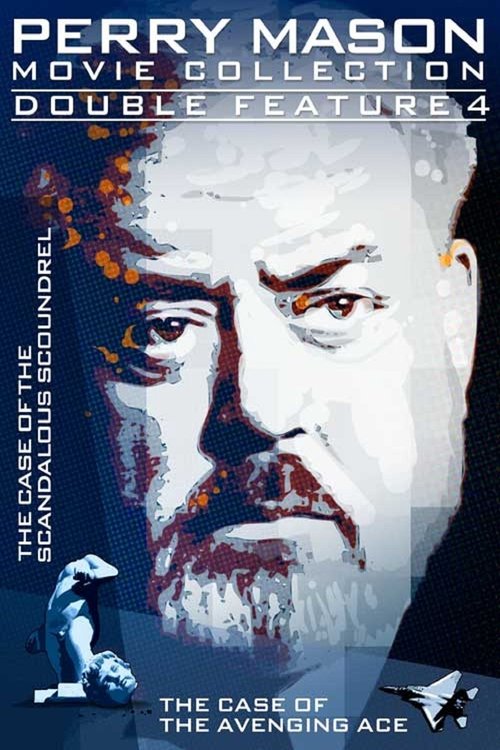
Who is the main antagonist in Perry Mason: The Case of the Scandalous Scoundrel?
What role does Perry Mason play in the investigation of the murder?
How does the character of Della Street contribute to the plot?
What is the significance of the character of Paul Drake Sr. in the story?
What key evidence does Perry Mason uncover that changes the direction of the case?
Should I watch it?
Ask Your Own Question

What is the plot?
Sorry, we aren't able to watch and write up a full detailed plot yet. Check back in a few days.
More Movies Like This
Browse All Movies →




What is the ending?
In the ending of "Perry Mason: The Case of the Scandalous Scoundrel," Perry Mason successfully uncovers the truth behind the murder of a wealthy socialite, leading to the arrest of the true culprit. The film concludes with Mason's triumph in the courtroom, restoring justice and revealing the motivations behind the crime.
As the final act unfolds, the tension in the courtroom is palpable. Perry Mason stands before the judge, his demeanor calm yet determined. The atmosphere is thick with anticipation as the prosecution presents its case against the accused, a man named Paul. Perry, however, is not easily swayed. He knows that the evidence against Paul is circumstantial and that there is more to the story.
Scene by scene, the narrative progresses. The courtroom is filled with spectators, all eager to witness the resolution of the scandal that has gripped the community. Perry's keen instincts lead him to question the motives of several key witnesses, including the victim's estranged husband and a jealous rival. Each testimony reveals layers of deceit and hidden agendas, painting a complex picture of relationships fraught with tension.
As the trial continues, Perry's assistant, Della Street, works tirelessly behind the scenes, gathering crucial evidence that could turn the tide in their favor. Her dedication and resourcefulness shine through as she uncovers a hidden connection between the victim and a mysterious figure who had been lurking in the shadows. This revelation adds a new dimension to the case, suggesting that the murder was not as straightforward as it initially appeared.
In a dramatic turn of events, Perry calls a surprise witness to the stand. This witness, a former associate of the victim, provides a shocking account of the night of the murder, revealing that the victim had been involved in a blackmail scheme that implicated several prominent figures in the community. The courtroom gasps as the implications of this testimony sink in, and Perry seizes the moment to connect the dots.
With each piece of evidence, Perry methodically dismantles the prosecution's case, exposing the flaws in their arguments. The tension builds as he confronts the true murderer, a character who had been hiding in plain sight. The emotional stakes are high, and the audience can feel the weight of the moment as Perry delivers a powerful closing argument, appealing to the jury's sense of justice and morality.
As the jury deliberates, the tension is almost unbearable. The camera captures the anxious faces of the spectators, the sweat on Perry's brow, and the resolute expression of Della as she stands by his side. Finally, the jury returns with a verdict of not guilty for Paul, and the courtroom erupts in a mix of relief and disbelief.
In the aftermath, Perry reflects on the case, acknowledging the complexities of human relationships and the lengths to which people will go to protect their secrets. The film concludes with a sense of closure, as Perry and Della share a moment of triumph, knowing they have upheld justice in a world filled with scandal and deceit.
The fates of the main characters are revealed: Paul is exonerated, free to rebuild his life after the ordeal. The true murderer faces the consequences of their actions, while Perry and Della continue their work, committed to seeking the truth in a world where appearances can be deceiving. The film ends on a hopeful note, emphasizing the importance of integrity and the pursuit of justice.
Is there a post-credit scene?
"Perry Mason: The Case of the Scandalous Scoundrel," produced in 1987, does not feature a post-credit scene. The film concludes with the resolution of the central mystery, focusing on Perry Mason's triumph in court and the restoration of justice. After the final courtroom drama, the film wraps up without any additional scenes or epilogues following the credits. The emphasis remains on the narrative's closure, highlighting Mason's skills as a defense attorney and the emotional resolutions for the characters involved in the case.
Who is the main antagonist in Perry Mason: The Case of the Scandalous Scoundrel?
The main antagonist in the film is a character named Paul Drake Jr., who is involved in a scandal that leads to a murder investigation.
What role does Perry Mason play in the investigation of the murder?
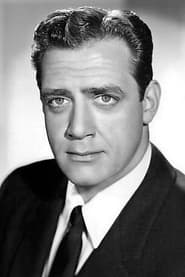
Perry Mason, portrayed by Raymond Burr, takes on the case to defend his client, who is accused of murder, and he meticulously investigates the evidence to uncover the truth.
How does the character of Della Street contribute to the plot?
Della Street, played by Barbara Hale, serves as Perry Mason's loyal assistant, providing crucial support in gathering information and helping to piece together the clues that lead to the resolution of the case.
What is the significance of the character of Paul Drake Sr. in the story?
Paul Drake Sr., portrayed by William Katt, is a private investigator who assists Perry Mason in uncovering vital evidence that ultimately helps to exonerate the accused.
What key evidence does Perry Mason uncover that changes the direction of the case?
Perry Mason uncovers a crucial piece of evidence involving a hidden relationship and financial motives that reveal the true circumstances surrounding the murder, leading to a dramatic courtroom revelation.
Is this family friendly?
"Perry Mason: The Case of the Scandalous Scoundrel" is generally considered family-friendly, but it does contain some elements that may be objectionable or upsetting for children or sensitive viewers. Here are a few aspects to consider:
-
Murder Investigation: The central plot revolves around a murder case, which includes discussions of death and the circumstances surrounding it. This may be unsettling for younger viewers.
-
Themes of Betrayal and Deceit: The story explores themes of betrayal, scandal, and moral ambiguity, which may be complex for children to understand.
-
Emotional Tension: Characters experience significant emotional distress, including fear, anger, and sadness, particularly those directly affected by the murder. This emotional weight may be intense for some viewers.
-
Confrontational Scenes: There are moments of confrontation and tension between characters, which may include raised voices or aggressive behavior, potentially causing discomfort.
-
Legal Drama: The courtroom scenes can be intense, with high stakes and dramatic revelations that might be overwhelming for younger audiences.
Overall, while the film is not overtly graphic or violent, the themes and emotional content may require parental guidance for younger viewers.








