











Popular
What role does Pontius Pilate play in the story?
How does the character of Jesus influence Pilate's decisions?
What is the significance of the crowd's demand for Jesus' crucifixion?
How does Pilate's wife influence his actions regarding Jesus?
What are the key moments that showcase Pilate's internal conflict throughout the film?
Should I watch it?
Ask Your Own Question

What is the plot?
Sorry, we aren't able to watch and write up a full detailed plot yet. Check back in a few days.




What is the ending?
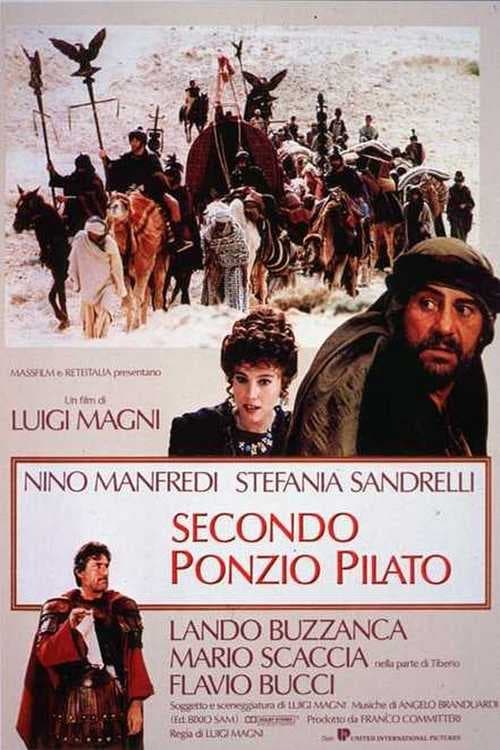
In the ending of "According to Pontius Pilate," the film culminates in the trial and crucifixion of Jesus Christ, as seen through the eyes of Pontius Pilate. Pilate grapples with his role in the events, ultimately washing his hands of the decision, while Jesus is led away to be crucified. The film closes with Pilate reflecting on the consequences of his actions and the weight of his choices.
As the final scenes unfold, the tension in Jerusalem is palpable. The sun hangs low in the sky, casting long shadows over the crowd gathered outside the governor's palace. Pilate, portrayed as a conflicted figure, stands before the people, his face a mask of uncertainty and dread. He is surrounded by his guards and advisors, who urge him to take a firm stance against the growing unrest. The cries of the crowd echo in his ears, demanding the crucifixion of Jesus, whom they see as a threat to their way of life.
In a pivotal moment, Pilate attempts to reason with the crowd, presenting Jesus to them, hoping to incite pity. He asks, "What evil has he done?" But the crowd, fueled by their leaders and their own fears, only grows louder in their demands. Pilate's internal struggle is evident; he is torn between his duty as a Roman governor and his personal sense of justice. He knows that Jesus is innocent, yet the pressure from the crowd and the fear of insurrection weigh heavily on him.
As the scene progresses, Pilate makes the fateful decision to wash his hands in front of the crowd, declaring himself innocent of Jesus' blood. This act symbolizes his attempt to absolve himself of responsibility, yet it also highlights his moral cowardice. The crowd's shouts of "Crucify him!" ring in his ears as he turns away, a look of despair etched on his face.
The next scene shifts to Jesus being led away, his hands bound, a crown of thorns pressed into his brow. The camera captures the sorrowful expressions of his followers, particularly Mary, who watches helplessly as her son is taken to his fate. The emotional weight of this moment is palpable, as the audience feels the deep sense of loss and injustice.
As Jesus is crucified, the sky darkens, and a sense of foreboding envelops the scene. The nails pierce his hands and feet, and the camera lingers on his face, capturing the pain and suffering he endures. The sound of the hammer striking the nails echoes, a stark reminder of the brutality of the act. Pilate, now back in his palace, hears the distant cries of the crowd and the sounds of the crucifixion, a haunting reminder of the choice he made.
In the final moments of the film, Pilate is left alone in his chamber, grappling with the consequences of his actions. He reflects on the events that have transpired, the weight of his decisions heavy on his conscience. The film closes with a lingering shot of Pilate's face, a mixture of regret and resignation, as he contemplates the impact of his choices on history and on his own soul.
The fates of the main characters are sealed in this tragic conclusion. Jesus, the innocent figure, faces his crucifixion, embodying sacrifice and suffering. Pilate, on the other hand, is left with the burden of his moral failure, a man caught between power and righteousness, forever haunted by the decision he made in the face of fear and political pressure. The film ends, leaving the audience to ponder the complexities of justice, power, and the human condition.
Is there a post-credit scene?
The movie "According to Pontius Pilate," produced in 1987, does not feature a post-credit scene. The film concludes its narrative without any additional scenes or content after the credits roll. The focus remains on the story of Pontius Pilate and his interactions with Jesus, culminating in the significant events surrounding the trial and crucifixion. The ending leaves viewers with a sense of reflection on the moral and ethical dilemmas faced by Pilate, rather than providing any further narrative developments or surprises.
What role does Pontius Pilate play in the story?
Pontius Pilate is depicted as the Roman governor of Judea, struggling with his conscience and the political pressures surrounding the trial of Jesus. His internal conflict is central to the narrative, as he grapples with the implications of condemning an innocent man to appease the crowd.
How does the character of Jesus influence Pilate's decisions?
Jesus, portrayed with a calm and dignified demeanor, challenges Pilate's authority and moral compass. Their interactions reveal Pilate's growing unease and empathy, as he is torn between his duty to Rome and his recognition of Jesus' innocence.
What is the significance of the crowd's demand for Jesus' crucifixion?
The crowd's demand represents the intense social and political pressures Pilate faces. Their fervor and insistence highlight the volatile atmosphere of the time, forcing Pilate to confront the consequences of his actions and the fragility of his power.
How does Pilate's wife influence his actions regarding Jesus?
Pilate's wife, who experiences a troubling dream about Jesus, serves as a moral compass for Pilate. Her warnings about the righteousness of Jesus and her plea for Pilate to avoid condemning him add to his internal struggle and highlight the personal stakes involved.
What are the key moments that showcase Pilate's internal conflict throughout the film?
Key moments include Pilate's private conversations with Jesus, where he questions his own beliefs, and his interactions with the Jewish leaders and the crowd, where he feels the weight of their expectations. His attempts to find a way to release Jesus, such as offering to free Barabbas instead, illustrate his desperation to navigate the political landscape while grappling with his conscience.
Is this family friendly?
"According to Pontius Pilate," produced in 1987, is a film that delves into the complex themes surrounding the trial and crucifixion of Jesus Christ, as seen through the eyes of Pontius Pilate. While the film is a historical drama, it does contain several elements that may be considered objectionable or upsetting for children or sensitive viewers.
-
Violence and Crucifixion: The film depicts scenes of violence, including the trial and eventual crucifixion of Jesus. These moments are intense and may be distressing for younger audiences.
-
Emotional Turmoil: Characters experience significant emotional conflict, particularly Pontius Pilate, who grapples with his role in the events leading to Jesus' death. This internal struggle may be heavy for sensitive viewers.
-
Themes of Betrayal and Guilt: The narrative explores themes of betrayal, guilt, and moral dilemmas, which may be complex and unsettling for children to understand fully.
-
Religious Context: The film addresses profound religious themes and questions about faith, authority, and sacrifice, which may not resonate well with all viewers, particularly those from different belief systems.
-
Depictions of Authority and Mob Mentality: The portrayal of the crowd's reaction and Pilate's interactions with religious leaders can be intense, showcasing the pressure of authority and the consequences of public opinion.
These elements contribute to a narrative that, while rich in historical context, may not be suitable for all audiences, particularly younger children or those who are sensitive to themes of violence and emotional distress.







