










Popular
What motivates the main character, Chan Hung, throughout the film?
How does the relationship between Chan Hung and his mentor, Master Lee, evolve?
What role does betrayal play in the character dynamics of Tragic Hero?
How does the film depict the consequences of Chan Hung's choices?
What is the significance of the final confrontation between Chan Hung and his rival?
Should I watch it?
Ask Your Own Question

What is the plot?
Sorry, we aren't able to watch and write up a full detailed plot yet. Check back in a few days.


What is the ending?
In the ending of "Tragic Hero," the protagonist, a once-respected gangster named Ma, faces the consequences of his violent lifestyle. After a series of betrayals and confrontations, he ultimately sacrifices himself to protect his family and friends. The film concludes with a somber reflection on loyalty, betrayal, and the tragic nature of his choices.
As the final act unfolds, the tension escalates. Ma, having been cornered by rival gang members, finds himself in a dilapidated warehouse, a stark contrast to the power he once wielded. The atmosphere is thick with impending doom, and the shadows cast by flickering lights create an oppressive sense of foreboding. Ma's face is etched with weariness, a testament to the toll his life of crime has taken on him. He knows that the end is near, yet there is a flicker of determination in his eyes, a resolve to protect those he loves.
In a pivotal scene, Ma receives a call from his estranged son, who has been caught in the crossfire of the gang wars. The desperation in his son's voice pulls at Ma's heart, igniting a fierce protective instinct. He realizes that his choices have not only endangered his own life but also the lives of his family. This moment of clarity drives him to confront his enemies, not just for himself, but for the sake of his son and the legacy he wishes to leave behind.
As Ma prepares for the confrontation, he gathers his closest allies, a group of loyal friends who have stood by him through thick and thin. They share a moment of camaraderie, reminiscing about their past victories and the bonds they forged in the heat of battle. However, there is an underlying tension, as each man knows the stakes are higher than ever. The weight of their shared history hangs heavy in the air, a bittersweet reminder of the lives they have led.
The climactic showdown occurs in the warehouse, where Ma and his allies face off against the rival gang. The scene is chaotic, filled with gunfire and shouts, as the two sides clash in a brutal fight for survival. Ma fights valiantly, his movements a blend of desperation and determination. Each shot fired is a reminder of the life he has chosen, and with every enemy he takes down, he feels a mix of triumph and sorrow.
In the heat of battle, Ma is ultimately outnumbered. As he fights fiercely, he is struck down, falling to the ground amidst the chaos. The camera lingers on his face, capturing the pain and regret in his eyes as he realizes the futility of his struggle. In his final moments, he reflects on the choices that led him here, the love for his family, and the hope that they will find a better path without him.
As the dust settles, the remaining allies gather around Ma's lifeless body, their expressions a mix of grief and anger. They mourn the loss of their leader, a man who, despite his flaws, had always fought for them. The film closes with a poignant shot of Ma's son, who stands at a distance, witnessing the aftermath of his father's choices. The weight of legacy hangs heavy on his shoulders, a reminder of the tragic hero his father was and the path he must now navigate in a world forever changed by violence and loss.
In the end, Ma's sacrifice serves as a haunting reminder of the consequences of a life steeped in crime, leaving a lasting impact on those he loved and the community he once sought to protect.
Is there a post-credit scene?
The movie "Tragic Hero," produced in 1987, does not feature a post-credit scene. The film concludes with a poignant ending that encapsulates the themes of ambition, betrayal, and the consequences of one's choices. The final moments focus on the protagonist's emotional turmoil and the fallout from his actions, leaving the audience with a sense of closure regarding the narrative without any additional scenes after the credits.
What motivates the main character, Chan Hung, throughout the film?
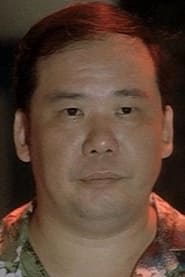
Chan Hung, portrayed by the charismatic actor, is driven by a deep sense of loyalty and a desire for power. His internal conflict stems from his ambition to rise within the ranks of the criminal underworld while grappling with the moral implications of his actions. As he navigates the treacherous landscape of betrayal and friendship, his motivations shift from a quest for respect to a desperate need for redemption.
How does the relationship between Chan Hung and his mentor, Master Lee, evolve?
Initially, Chan Hung views Master Lee as a father figure and a source of wisdom in the criminal world. Their relationship is marked by mutual respect, but as Chan Hung's ambition grows, he begins to challenge Master Lee's authority. This tension culminates in a heartbreaking confrontation where Chan Hung's desire for independence clashes with the loyalty he feels towards his mentor, leading to a tragic rift.
What role does betrayal play in the character dynamics of Tragic Hero?
Betrayal is a central theme that weaves through the relationships in Tragic Hero. Chan Hung experiences betrayal from those he considered allies, which fuels his transformation from a loyal friend to a hardened criminal. The emotional weight of these betrayals is palpable, as each act of treachery not only impacts Chan Hung's decisions but also deepens his isolation, showcasing the painful consequences of misplaced trust.
How does the film depict the consequences of Chan Hung's choices?
The consequences of Chan Hung's choices are depicted through a series of escalating conflicts and personal losses. Each decision he makes, whether it be to betray a friend or to pursue power at any cost, leads to a domino effect that results in violence and tragedy. The film visually captures these moments with intense action sequences and poignant character interactions, emphasizing the emotional toll on Chan Hung as he grapples with guilt and regret.
What is the significance of the final confrontation between Chan Hung and his rival?
The final confrontation between Chan Hung and his rival serves as a culmination of the film's tension and character arcs. It is not just a physical battle but an emotional reckoning where Chan Hung faces the consequences of his ambition and the loss of his humanity. The stakes are high, and the scene is charged with raw emotion, as Chan Hung must confront not only his rival but also the ghosts of his past decisions, making it a pivotal moment in his tragic journey.
Is this family friendly?
"Tragic Hero," produced in 1987, is a film that delves into themes of ambition, betrayal, and the moral complexities of power. While it features a compelling narrative, there are several elements that may be considered objectionable or upsetting for children or sensitive viewers:
-
Violence and Conflict: The film includes scenes of physical confrontations and violence that may be intense or distressing. These moments are pivotal to the character's struggles and the overarching themes of the story.
-
Moral Ambiguity: Characters often face difficult moral choices, leading to betrayal and manipulation. This complexity may be challenging for younger audiences to understand and could evoke feelings of confusion or discomfort.
-
Emotional Turmoil: The protagonist experiences significant emotional distress, including feelings of isolation, despair, and loss. These themes may resonate deeply and could be upsetting for sensitive viewers.
-
Death and Loss: The narrative involves themes of mortality and the consequences of ambition, which may include the death of key characters. Such moments can be heavy and may provoke strong emotional reactions.
-
Adult Themes: The film explores adult relationships and the darker sides of human nature, which may not be suitable for younger audiences.
Overall, while "Tragic Hero" offers a rich narrative experience, its themes and content may not be appropriate for all viewers, particularly children or those who are sensitive to such topics.









